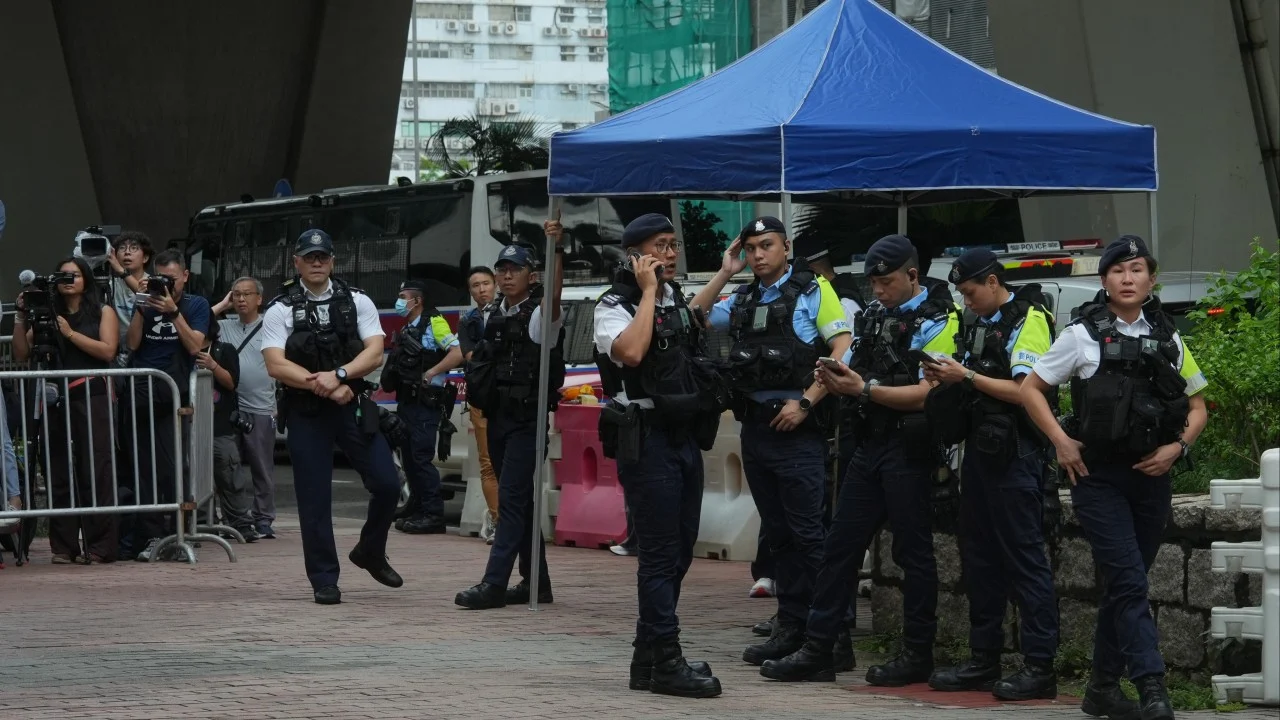
The arrest by Hong Kong Customs of two employees of Sayles Retail Ltd — which distributes Opatra London skincare products in Hong Kong — and the subsequent investigation into allegedly aggressive sales tactics, prompts questions about consumer protection in general in Hong Kong.
 How can the city better protect consumers from increasingly sophisticated hard-sell tactics that have surfaced repeatedly in retail markets around the world?
In hindsight, warning signs may not have been absent. An independent franchise operating under the Opatra London brand attracted significant public attention in Singapore in 2020 following complaints concerning aggressive sales tactics and high-pressure marketing practices. Similar disputes involving beauty and wellness retailers have also surfaced in other jurisdictions over the years. Yet it would be unrealistic to expect regulators to uncover every warning sign before a retailer enters the Hong Kong market. Equally, consumers cannot be expected to research a company’s global track record before making an everyday purchasing decision. Therefore, the strength of consumer protection should not depend on perfect due diligence. It should depend on a system capable of responding quickly when problems emerge.
To the Hong Kong Special Administrative Region’s credit, some of the most effective safeguards are already in place. The Trade Descriptions Ordinance provides protection against a range of unfair trade practices, including aggressive commercial practices that may impair a consumer’s freedom of choice through harassment, coercion, or undue influence.
The Consumer Council and the Customs and Excise Department already play complementary roles in consumer protection. While the Consumer Council handles complaints and monitors market trends, Customs is responsible for enforcing the Trade Descriptions Ordinance and investigating suspected unfair trade practices.
Consideration could be given to creating a mechanism through which consumers, shopping malls, and industry participants may provide intelligence to the Consumer Council or Customs when credible concerns arise. Such information could help authorities determine whether further investigation is warranted before larger numbers of consumers are affected.
Enforcement aside, the HKSAR government’s recent proposal to introduce a seven-day cooling-off period for beauty and fitness prepaid contracts is another welcome development. By allowing time for reflection, the cooling-off mechanism reduces the effectiveness of hard-sell tactics and strengthens confidence in the marketplace.
The proposed cooling-off period is a powerful step forward. The next question is whether hard-sell operators will adapt their sales strategies accordingly. Effective consumer protection requires not only closing today’s loopholes but anticipating tomorrow’s.
The proposed cooling-off period is primarily directed at prepaid contracts and service packages. Yet if these retailers increasingly focus on expensive beauty devices, cosmetic products, or other high-value goods sold under intensive sales pressure, the effectiveness of current safeguards may become less effective. Policymakers may therefore wish to study whether selected categories of products sold under such circumstances should eventually qualify for similar protection. The intention is not to burden legitimate retailers but to ensure that consumer safeguards remain effective if hard-sell tactics shift from prepaid service packages to high-value products.
However, government and regulatory actions alone are not sufficient. Industry institutions such as the Hong Kong Institute of Surveyors or the Hong Kong Institute of Shopping Centre Management also have an important role to play. High-profile cases such as the incident involving Opatra London products raise practical questions for shopping mall operators that go well beyond consumer protection. How should landlords respond when a tenant becomes the subject of a regulatory investigation? Are existing lease provisions sufficient to address conduct that damages customer confidence and the reputation of a shopping center? Industry bodies can provide a useful platform for discussing these issues and sharing lessons learned across the sector.
Shopping mall operators also occupy a unique position within the consumer protection ecosystem. They are not regulators, nor can they reasonably be expected to conduct exhaustive investigations into every prospective tenant. However, they are often among the first to observe recurring customer complaints, disputes, and operational concerns. So mall operators may be well placed to alert the Consumer Council or Customs when credible warning signs emerge; this would enable regulators to determine whether further investigation is warranted. In this respect, shopping malls can serve as an important early-warning mechanism.
Ultimately, consumers remain the final line of defense. No legal framework can eliminate every hard-sell tactic. Public education should therefore focus on helping consumers recognize common pressure-selling techniques, understand their rights and develop the confidence to walk away from uncomfortable situations. The ability to say “no” remains one of the most effective protections against aggressive marketing. Such knowledge is relevant not only to vulnerable groups, but to consumers of all ages and backgrounds, many of whom may simply be unprepared for the psychological pressures used in modern hard-sell environments.
Strong consumer protection is not antibusiness, or increasing the cost of compliance. On the contrary, it protects the reputation of responsible retailers by ensuring that a small number of bad actors do not undermine consumer confidence in the wider marketplace.
So, the lesson from the local Opatra London distributor incident is not simply about one retailer or one investigation. It is a reminder that effective consumer protection is a shared responsibility. The government must continue refining its regulatory tools. Industry institutions should promote good practices. Shopping malls can help identify warning signs. Consumers must remain informed and vigilant. When all four elements work together, Hong Kong will be better placed to maintain the fair, transparent and trustworthy retail environment that has long been one of its greatest strengths.
To truly close today’s regulatory loopholes, policymakers must proactively protect consumers from predatory high-value retail tactics before the vulnerable buyer falls into a trap.
The author is a senior lecturer at the Hang Seng University of Hong Kong and co-chair of the Advocacy and Policy Research Committee, the Hong Kong Institute of Human Resource Management.
The views do not necessarily reflect those of China Daily.