China has become the world’s second-largest operator of nuclear-powered submarines, overtaking Russia and narrowing the gap with the US, according to a report published by Defence Security Asia on January 21.
The shift places China behind only the United States Navy, while pushing Russia into third place by the number of nuclear submarines currently in service.
Every article pushes back against disinformation. Your support keeps our team in the field.
According to the report, the People’s Liberation Army Navy now operates around 32 active nuclear-powered submarines. By comparison, Russia’s fleet is estimated to include roughly 25 to 28 such vessels.
The United States remains the undisputed leader, with approximately 71 nuclear-powered submarines in service as of the end of 2025.
As of early 2026, China’s nuclear submarine force includes Type 093 and Type 093A nuclear-powered attack submarines, along with the latest Type 093B variant now entering service.
⚡️Thunder Beneath the Waves: A 360° Cinematic Showcase of China’s Strategic Nuclear Submarine.pic.twitter.com/VipHWze2rU
— Chinesisches Generalkonsulat in München (@ChinaCG_Muc) January 19, 2026
These boats are designed to engage both enemy submarines and surface vessels using a combination of torpedoes and cruise missiles. The Type 093B, in particular, represents a significant upgrade, featuring 24 vertical launch system cells capable of firing YJ-12 or YJ-18 anti-ship missiles, in addition to six 533-mm torpedo tubes in the bow.
China’s sea-based nuclear deterrent is built around at least nine ballistic missile submarines of the Type 094 and Type 094A classes. These vessels form the backbone of China’s naval nuclear forces and are armed with JL-2 and JL-3 submarine-launched ballistic missiles.
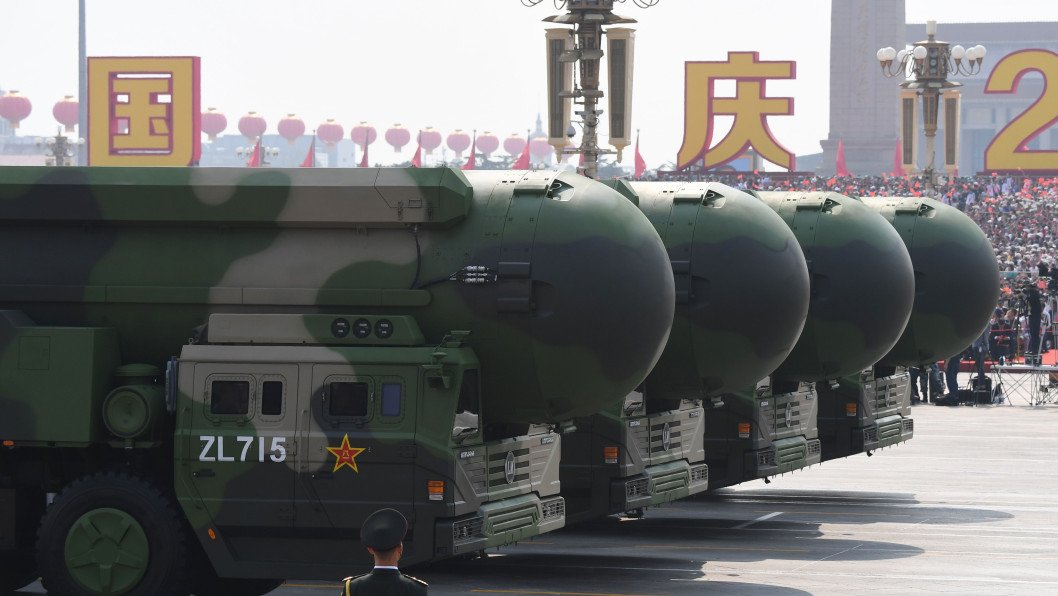
China is also moving ahead with next-generation submarine projects. Hull construction of the Type 095 nuclear-powered attack submarine is reportedly at an early stage, while the first ballistic missile submarine of the Type 096 class is also under construction.
These programs are expected to further expand China’s undersea capabilities in the coming decade.
According to Defence Security Asia, Russia’s drop to third place does not reflect a sudden collapse in capability. Instead, it stems from a combination of industrial stagnation, budget constraints, and shifting strategic priorities, which have limited fleet modernization and affected operational readiness.
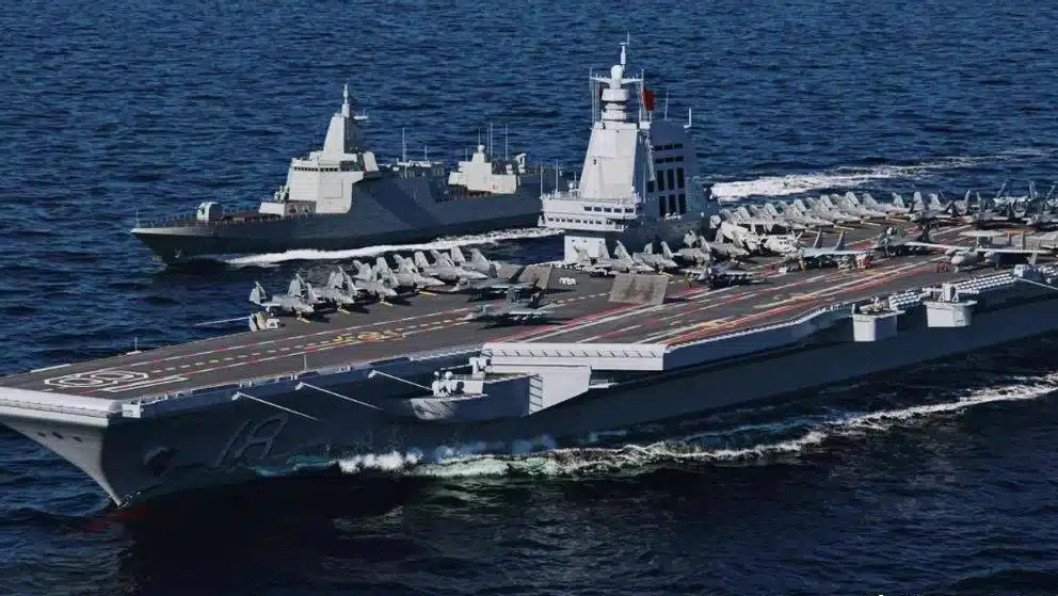
The ranking highlights how China’s sustained investment in naval shipbuilding has reshaped the global balance beneath the seas—while the United States continues to maintain a decisive numerical advantage.
Earlier, Russia officially confirmed that it is developing a fifth-generation strategic nuclear submarine, a move that underscores Moscow’s long-term focus on preserving the credibility of its sea-based nuclear deterrent despite sanctions, industrial pressure, and accelerating NATO naval modernization.


We report from the front lines to show the reality of war. Your support helps us stay there and tell the stories that matter.