Published on
July 19, 2026

Image generated with Ai
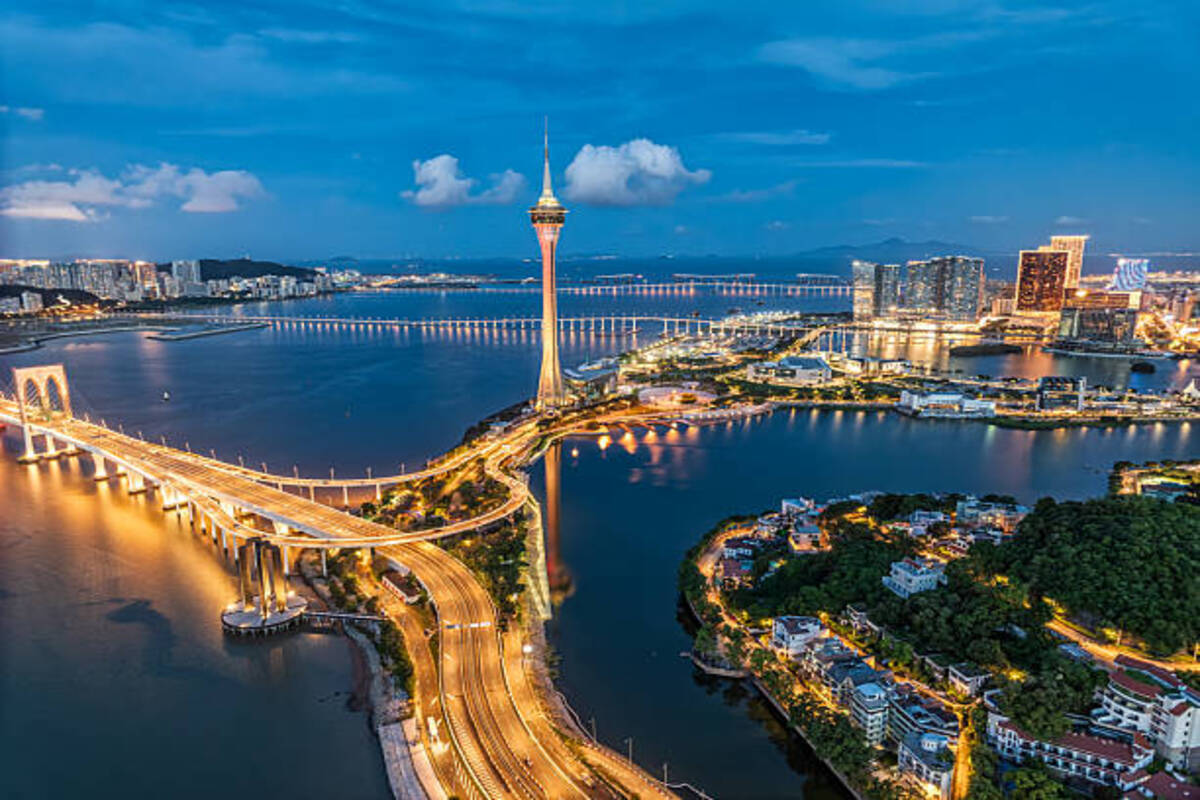
Macao’s tourism sector recorded strong first-half growth as visitor arrivals exceeded twenty million, supported by rising demand from the Chinese mainland, Hong Kong, Taiwan, South Korea and other key regional markets. The increase was mainly driven by a sharp rise in same-day visitors, which accounted for the majority of arrivals during the period, while international markets including Thailand, the Philippines and South Korea also contributed to the destination’s expanding travel momentum. The performance highlighted Macao’s continued appeal as a major Asia leisure destination and reinforced its position as a World Centre of Tourism and Leisure.
Macao Tourism Surges Past Twenty Million Visitors as Same-Day Travel Drives Strong First-Half Growth
Macao welcomed 20.94 million visitors during the first six months of the year, recording a 9 per cent increase compared with the corresponding period a year earlier. The latest figures demonstrate that the destination continued to attract significant travel demand between January and June, supported mainly by a sharp rise in short-duration visits and stronger arrivals from several important regional markets.
The first-half performance also reinforced Macao’s position as one of Asia’s most heavily visited urban destinations. An average of 115,715 visitor arrivals was recorded every day during the six-month period. However, the data showed that growth was not evenly distributed across all categories. Same-day tourism expanded rapidly, while the number of travellers staying overnight remained largely stable.
Advertisement
Advertisement
Same-Day Visitors Lead the Tourism Expansion
Same-day visitor arrivals reached 12.88 million during the first half of the year. This represented an increase of 15.3 per cent from the same period of the previous year and made the segment the principal driver of Macao’s overall visitor growth.
These travellers accounted for 61.5 per cent of all arrivals recorded between January and June. In practical terms, more than six out of every ten people entering Macao left without staying overnight.
Advertisement
Advertisement
The scale of the increase highlights the importance of short visits within Macao’s tourism structure. Its close transport links with neighbouring areas allow travellers to enter the city for shopping, dining, sightseeing, entertainment and leisure activities without requiring hotel accommodation.
The growing dominance of this category also explains why total arrivals rose faster than the overnight segment. Although the destination attracted nearly 21 million visitors, much of the increase came from travellers whose time in Macao was limited to a single day.
Advertisement
Advertisement
This trend creates substantial movement through border checkpoints, ferry terminals, roads and other transport facilities. It also directs visitor spending towards businesses that can serve travellers within a relatively short period, including restaurants, retail centres, attractions and local transport providers.
Overnight Tourism Remains Stable
Macao received 8.05 million overnight visitors during the first six months of the year. The figure increased by only 0.2 per cent year on year, showing that the accommodation-based market remained broadly unchanged despite the strong expansion in total arrivals.
Overnight visitors represented approximately 38.5 per cent of the overall visitor market. Although this group was smaller than the same-day segment, it remained especially important to hotels and other businesses that depend on longer stays.
The average duration of an overnight visit was maintained at 2.3 days, equivalent to around 55 hours. This was unchanged from the average recorded during the first half of the previous year.
Advertisement
Advertisement
The stable length of stay indicates that travellers who booked accommodation continued to spend roughly the same amount of time in the destination. There was no recorded increase in the average duration of overnight travel, even as Macao welcomed more visitors overall.
For the hospitality sector, the limited growth in overnight arrivals presents a different picture from the headline tourism increase. Hotels, resorts and accommodation providers rely more heavily on the number of guests who remain in the city than on the total volume of border crossings.
The figures therefore reveal a tourism market operating at two different speeds. Short trips grew strongly, while longer visits expanded only marginally. This distinction is essential when assessing the wider effect of visitor growth on hotels, restaurants, attractions and leisure businesses.
Chinese Mainland Remains the Largest Visitor Market
The Chinese mainland continued to dominate Macao’s tourism market during the reporting period. Arrivals from the mainland rose by 11 per cent to 15.28 million, accounting for 72.9 per cent of all visitors.
This means that almost three out of every four travellers entering Macao during the first half of the year came from the Chinese mainland. The size of the market ensured that its growth had a major influence on the destination’s overall tourism performance.
The 11 per cent increase also exceeded the total visitor growth rate of 9 per cent. As a result, mainland demand strengthened its already substantial role in Macao’s travel economy.
Advertisement
Advertisement
Macao’s proximity to major population centres in southern China, combined with established road, rail, ferry and aviation connections, has helped support large volumes of cross-border movement. These transport options allow both same-day and overnight journeys to be made from surrounding mainland cities.
The figures demonstrate that mainland visitors remained the foundation of Macao’s tourism recovery and continued expansion. Changes in this market can significantly affect overall arrivals because of its overwhelming share of the total.
Hong Kong Growth Slows While Taiwan Rises Sharply
Visitor arrivals from the Hong Kong Special Administrative Region reached 3.65 million during the first half of the year. This was an increase of 0.3 per cent compared with the same period a year earlier.
Hong Kong remained Macao’s second-largest source market, although its growth was considerably slower than the increase recorded among mainland visitors. The modest rise indicates that travel volumes between the two neighbouring destinations remained high but relatively stable.
The geographical closeness of Hong Kong and Macao makes short visits particularly convenient. Road and ferry connections enable travellers to move between the two destinations without the planning normally associated with longer international journeys.
Arrivals from the Taiwan region produced a much stronger rate of growth. Macao welcomed 575,895 visitors from the market, representing a year-on-year increase of 24.7 per cent.
Advertisement
Advertisement
This was one of the most notable expansions among Macao’s major visitor sources. Although the total number of arrivals from Taiwan was smaller than those recorded from the Chinese mainland or Hong Kong, the growth rate demonstrated a considerable strengthening of demand.
The contrasting performances of Hong Kong and Taiwan show how individual regional markets developed differently during the six-month period. One remained nearly unchanged, while the other expanded by almost one quarter.
Foreign Arrivals Exceed 1.4 Million
Foreign visitor arrivals increased by 6 per cent to 1.42 million during the first half of the year. International travellers accounted for 6.8 per cent of Macao’s total visitor volume.
While foreign visitors represented a relatively small share of all arrivals, their growth showed that Macao continued to attract travellers beyond its core Greater China markets.
South Korea was the largest international source market, contributing 284,258 visitors. The Philippines ranked second with 270,441 arrivals, while Thailand was third with 122,494 visitors.
Thailand recorded the strongest year-on-year increase among the three leading foreign markets. Arrivals from the country surged by 51.4 per cent, making it the fastest-growing major international segment listed in the official data.
Advertisement
Advertisement
The strong Thai increase stood out against the overall 6 per cent rise in foreign arrivals. It showed that growth within Macao’s international market was not uniform and that some countries expanded far more quickly than the broader category.
South Korea, the Philippines and Thailand together contributed a substantial proportion of the destination’s foreign visitor total. Their position illustrates the continuing importance of Asian regional travel to Macao’s efforts to develop a more internationally diversified tourism market.
June Decline Interrupts the Broader Upward Trend
Despite the positive first-half performance, visitor arrivals declined during June. Macao received approximately 2.8 million visitors that month, representing a year-on-year fall of 3.1 per cent.
The June result contrasted with the 9 per cent increase recorded across the full January-to-June period. It suggests that the strong cumulative growth achieved earlier in the year was not maintained during the final month of the reporting period.
However, the monthly decline did not erase the wider first-half expansion. Total arrivals still remained substantially above the level recorded during the same six months of the previous year.
The difference between the six-month increase and the June reduction also demonstrates why tourism performance must be examined across several timeframes. A strong cumulative result can coexist with weaker performance in an individual month.
Advertisement
Advertisement
Macao Strengthens Its Tourism and Leisure Position
Macao has been designated by the central government as a World Centre of Tourism and Leisure. The latest visitor data provides a numerical measure of the destination’s scale as it continues to develop this role.
With 20.94 million arrivals in six months, Macao maintained a high level of tourism activity. The strongest growth came from same-day travel, the Chinese mainland remained the dominant source market, and several regional and international markets recorded notable increases.
At the same time, overnight arrivals and average stays changed very little. This means the destination’s future tourism performance will not be measured solely by the number of people crossing its borders. The balance between short visits and accommodation-based travel will remain an important indicator of how visitor growth is distributed across the wider tourism and hospitality economy.
The first-half figures ultimately present a destination experiencing solid overall expansion, but with growth concentrated in particular segments. Macao attracted more travellers, strengthened its largest source market and recorded encouraging increases from Taiwan and Thailand. Yet the limited rise in overnight tourism and the June decline showed that the travel market remained varied rather than uniformly strong.
Advertisement
Advertisement