Chinese officials are drafting potential countermeasures against U.S. artificial intelligence (AI) firms, including sanctions and restricted-entity listings, over concerns that Anthropic’s Mythos model could be turned into an offensive cyberweapon, Bloomberg reported on August 3, citing people familiar with the matter.
Beijing is not preparing immediate action and would move only if Washington expands technology controls against Chinese AI companies first, the people said. Officials also question why Anthropic denies China access to the model for ordinary commercial use.
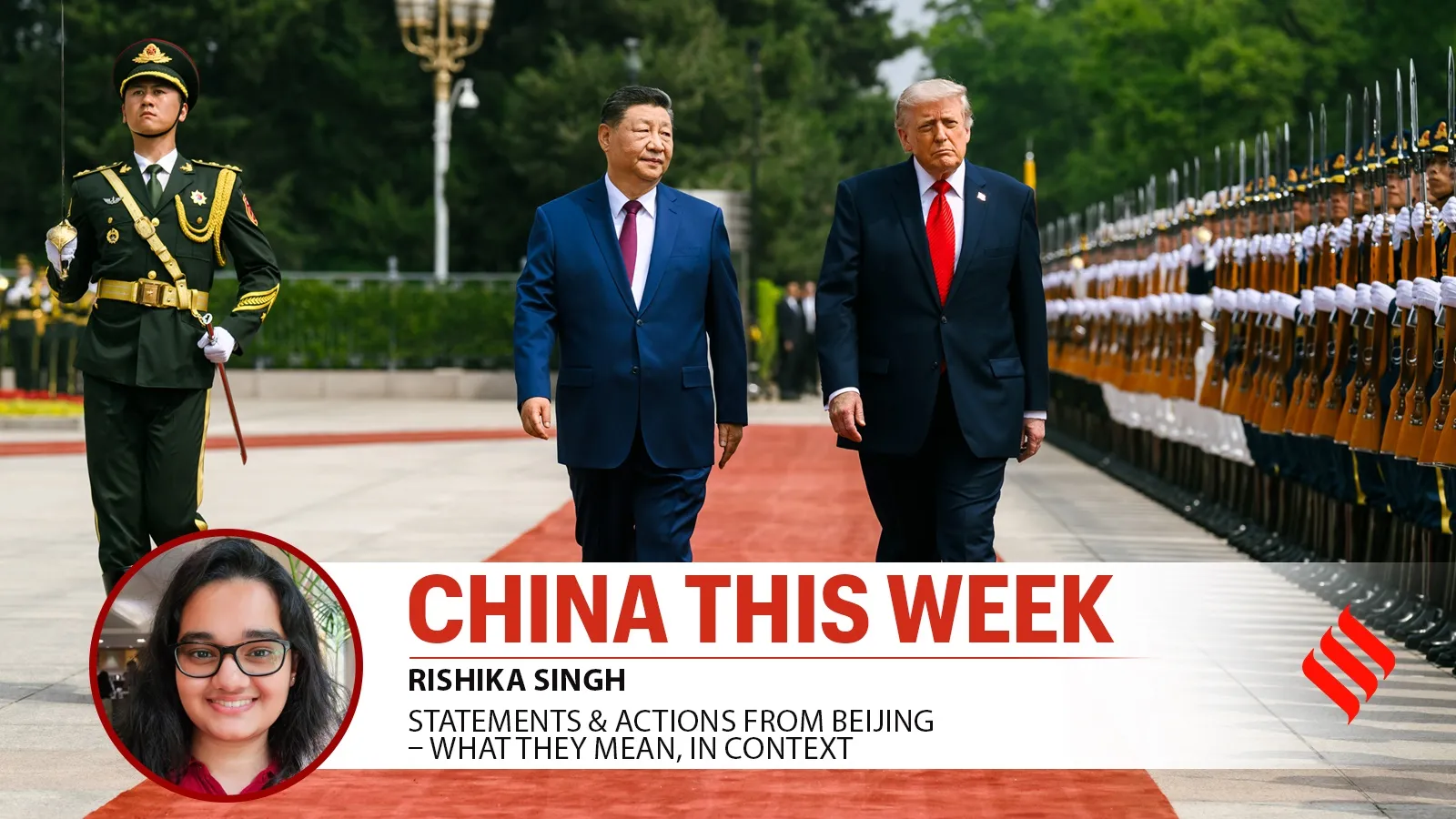
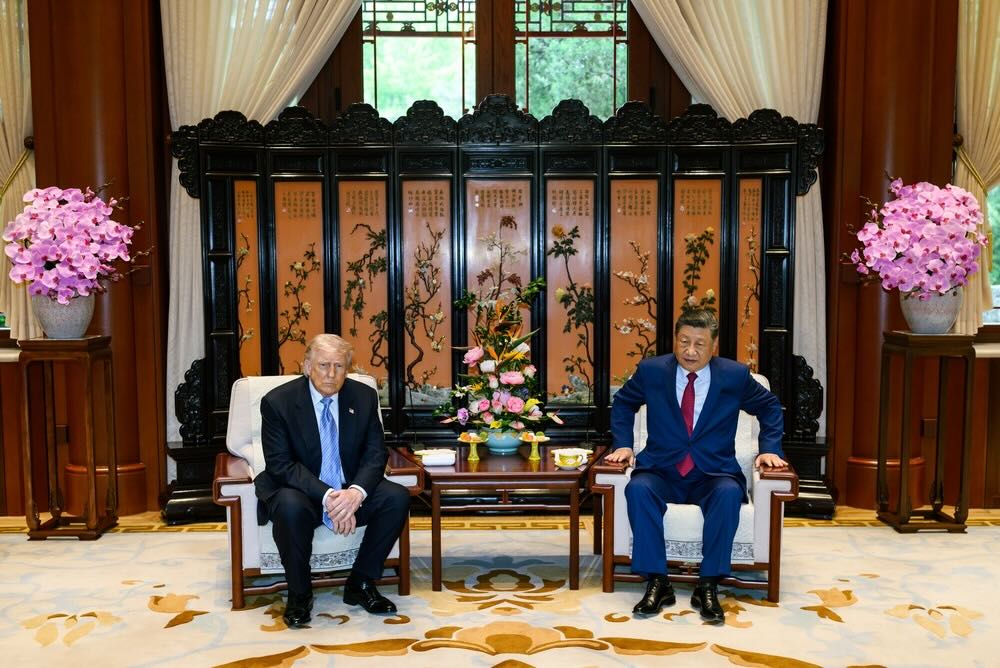
The concerns surface weeks before Chinese President Xi Jinping’s scheduled September 24 visit to the United States. AI talks are expected before the summit, and Beijing is seeking a “win-win” outcome, the people said.
Anthropic released Claude Mythos Preview in April to a limited group of U.S. companies under Project Glasswing, withholding it from public release after the model demonstrated the ability to find and exploit zero-day vulnerabilities, previously unknown software flaws, across major operating systems and browsers.
Tensions over AI have escalated on both sides. Treasury Secretary Scott Bessent stated in July that sanctions and Commerce Department Entity List designations are “on the table” for Chinese developers found conducting industrial-scale model distillation, after the White House accused Moonshot AI of training its Kimi K3 system on outputs from Anthropic’s Fable model. China’s Commerce Ministry responded that it would take “all necessary measures.”
Any Chinese retaliation against Anthropic would carry limited practical effect. The company has no operations in China and cut off Chinese-controlled customers last year.
Beijing is also pursuing a domestic equivalent. Qihoo 360 unveiled two security-focused AI models in June, one of which founder Hongyi Zhou described as “China’s version of Mythos.” The company’s performance claims have not been independently verified.