Published on
July 20, 2026
By: Srishty Mishra

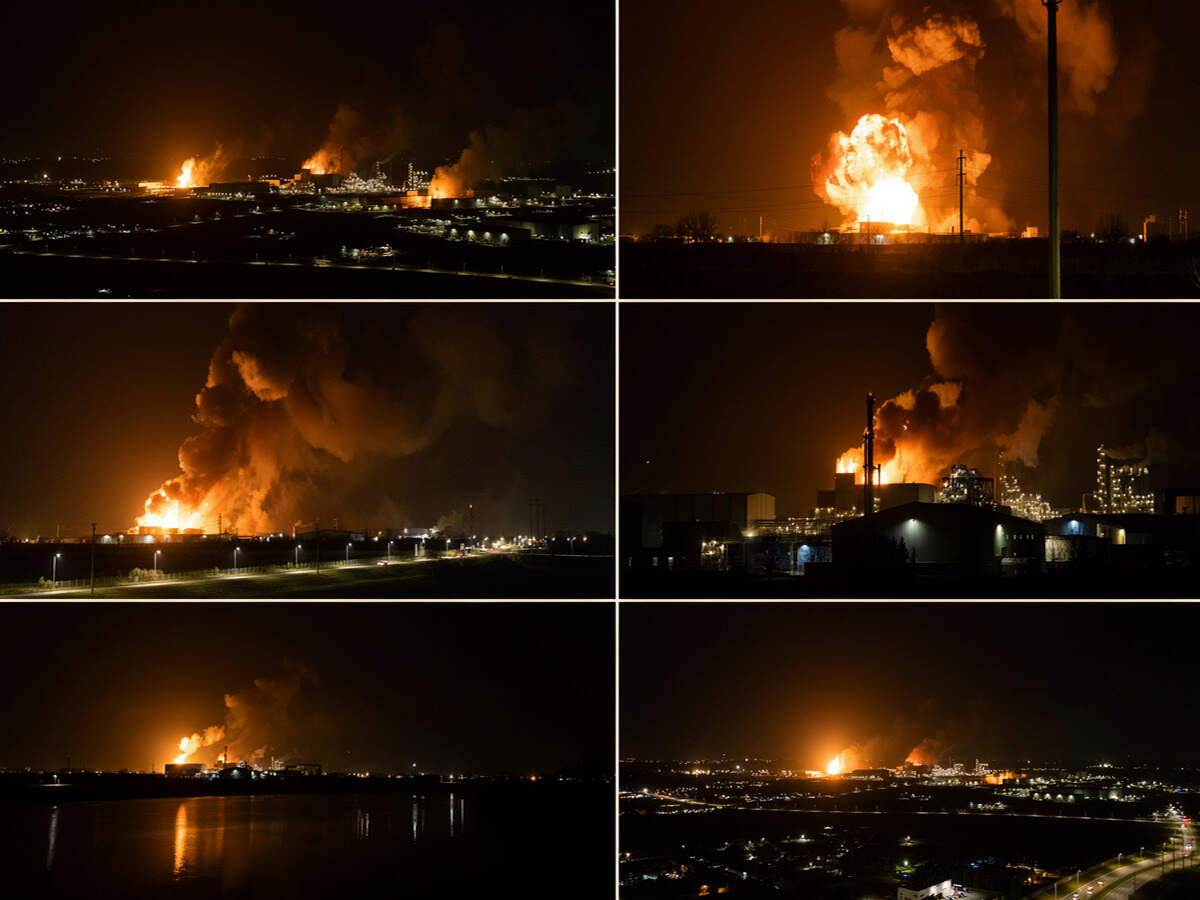
Image generated with Ai
Canada and the United States are following Germany, the UK, Japan and more countries in launching emergency efforts to protect and assist stranded travellers across the Middle East as rising security concerns, flight cancellations, airspace restrictions and border disruptions affect movement in the UAE, Jordan, Qatar, Kuwait, Bahrain and other destinations. Governments worldwide are strengthening evacuation planning, emergency flights, visa and document support, embassy assistance and consular services to help citizens facing uncertainty while warning travellers that sudden travel disruptions could leave them unable to leave the region without proper preparation.
Canada and the United States are following Germany, the United Kingdom, Japan and other nations in expanding emergency support measures for stranded travellers across the Middle East as flight disruptions, airspace restrictions, border uncertainties and security concerns create major travel challenges. Governments are increasing consular assistance, evacuation planning, emergency communication systems and travel support for citizens affected in the United Arab Emirates, Jordan, Qatar, Kuwait, Bahrain and other destinations across the region.
The rapidly changing security environment has created uncertainty for thousands of international travellers who depend on major Middle Eastern aviation hubs for connections between Asia, Europe, Africa and North America. With airlines facing cancellations, schedule changes and restricted routes, governments are warning citizens to remain prepared, keep documents updated and avoid relying only on commercial travel options.
Countries including Canada, the United States, Germany, the United Kingdom, Japan, France, Italy, India, Australia, Singapore and China have strengthened their response systems to help citizens who may become stranded because of sudden airport closures, cancelled flights or transport restrictions.
Canada Leads Emergency Travel Support With Consular Protection And Departure Planning
Canada has issued one of the strongest warnings for its citizens in the Middle East, advising travellers that they may not be able to leave quickly if hostilities increase. The government has highlighted that its ability to provide direct assistance could become limited during a major crisis because of security restrictions, closed airports or damaged infrastructure.
Canadian authorities are advising citizens in countries including the UAE, Jordan, Qatar, Kuwait and Bahrain to remain alert, follow local authority instructions and prepare independent departure plans.
Advertisement
Advertisement
Canada’s emergency support measures include:
- 24/7 consular assistance through Global Affairs Canada
- Emergency communication services
- Registration through the Registration of Canadians Abroad programme
- Guidance on safe departure options
- Support for citizens facing document or travel difficulties
Canadian travellers are being encouraged to keep passports, visas and other travel documents valid because leaving quickly may become difficult without proper paperwork.
Advertisement
Advertisement
Canada has also warned that flight disruptions can happen without notice due to:
- Airspace closures
- Airport restrictions
- Border limitations
- Airline suspensions
- Regional security developments
The government continues to advise Canadians to check airline updates before travelling to airports and maintain emergency plans that do not depend entirely on government evacuation operations.
United States Expands Assistance As American Travellers Face Middle East Travel Disruptions
The United States has also increased its support for Americans affected by Middle East travel disruptions. The US government has advised citizens to remain cautious, monitor security updates and use available commercial departure options whenever possible.
American assistance focuses on:
Advertisement
Advertisement
- Embassy and consulate support
- Emergency travel alerts
- Citizen registration through the Smart Traveler Enrollment Program
- Departure planning assistance
- Coordination during major disruptions
For Americans stranded in locations such as the UAE, Qatar, Kuwait, Bahrain and Jordan, diplomatic missions are providing updated information about available travel routes and security conditions.
The United States has warned travellers that transportation options can become limited during periods of instability, meaning passengers should not wait until conditions become critical before considering alternative departure plans.
Germany Strengthens Evacuation Planning For Citizens Across The Middle East
Germany has joined international efforts by preparing assistance options for German citizens affected by Middle East travel disruptions.
German authorities have focused on:
- Tracking citizens requiring assistance
- Supporting vulnerable travellers
- Coordinating possible evacuation arrangements
- Maintaining communication through diplomatic channels
Germany has worked with European partners to improve coordination during emergency situations, especially when commercial aviation becomes unreliable.
German travellers in Gulf destinations, including the UAE, Qatar, Kuwait and Bahrain, have been advised to monitor official updates and remain prepared for changing travel conditions.
Advertisement
Advertisement
United Kingdom Provides Emergency Guidance And Consular Assistance
The United Kingdom has also increased support for British nationals facing travel uncertainty across the Middle East.
The UK government has issued travel warnings and advised citizens to:
- Follow local security instructions
- Maintain contact with airlines
- Monitor Foreign Office updates
- Keep travel documents ready
British embassies and consulates across the region continue providing emergency assistance for citizens affected by flight cancellations, border disruptions and changing security conditions.
For travellers stranded in major hubs such as Dubai, Doha, Kuwait City and Manama, British officials are supporting communication and providing updated guidance on available options.
Japan Strengthens Citizen Monitoring And Emergency Preparedness
Japan has expanded monitoring of Japanese nationals across the Middle East as aviation disruptions affect international movement.
Japanese support includes:
Advertisement
Advertisement
- Embassy communication networks
- Safety alerts
- Travel guidance
- Emergency evacuation preparation
Japan has extensive experience managing overseas emergency situations and maintains systems to support citizens during international crises.
Japanese travellers affected in Gulf countries are being encouraged to stay connected with diplomatic missions and prepare for possible changes in transportation availability.
France Supports Nationals Through Diplomatic Channels And Emergency Planning
France has increased assistance for French citizens affected by Middle East travel challenges.
French measures include:
- Emergency communication
- Embassy support
- Citizen monitoring
- Coordination with European partners
France has one of the largest international communities connected to the Middle East, making traveller assistance a major priority during periods of instability.
French nationals facing difficulties in destinations such as the UAE, Jordan, Qatar and Kuwait are being guided through official channels regarding travel options and safety measures.
Advertisement
Advertisement
Italy Provides Repatriation Assistance And Traveller Support
Italy has strengthened support for citizens affected by Middle East disruptions through diplomatic coordination and emergency planning.
Italian assistance includes:
- Consular services
- Emergency travel guidance
- Support for citizens unable to continue journeys
- Coordination with international partners
Italian authorities are monitoring airline operations and advising travellers to remain informed about possible changes affecting regional routes.
India Protects Millions Of Citizens Living And Travelling Across Gulf Countries
India has a major interest in Middle East travel stability because millions of Indian citizens live and work across Gulf nations, including the UAE, Qatar, Kuwait, Bahrain and Saudi Arabia.
Indian assistance focuses on:
- Embassy coordination
- Citizen registration
- Emergency communication
- Support with alternative travel arrangements
Indian diplomatic missions across the region remain engaged with citizens requiring assistance during travel disruptions.
Advertisement
Advertisement
The country has previously carried out large-scale evacuation operations during international crises and maintains emergency response networks through overseas missions.
Australia Provides Travel Alerts And Emergency Consular Support
Australia has also strengthened support for citizens affected by Middle East instability.
Australian assistance includes:
- Travel warnings
- Embassy support
- Emergency registration
- Guidance on safe travel options
Australian officials continue advising citizens to avoid unnecessary travel to high-risk destinations and remain prepared for sudden transportation disruptions.
Singapore Prepares Emergency Assistance For Citizens Abroad
Singapore has increased monitoring of its citizens travelling or living in the Middle East.
Support measures include:
Advertisement
Advertisement
- Emergency communication
- Consular assistance
- Travel updates
- Evacuation planning when required
Singapore’s government has previously conducted overseas evacuation operations and maintains emergency response capabilities for citizens facing international crises.
China Expands Diplomatic Assistance For Stranded Travellers
China has also increased support for Chinese nationals affected by Middle East travel disruptions.
Chinese assistance includes:
- Embassy support
- Travel warnings
- Emergency communication
- Coordination of safe departure options
With large numbers of Chinese travellers and business communities connected to the region, maintaining citizen safety has become a key priority.
Middle East Aviation Crisis Creates Worldwide Travel Challenges
The travel disruption is affecting not only passengers travelling directly to Middle Eastern destinations but also international travellers using Gulf airports as transit points.
Major aviation hubs affected include:
Advertisement
Advertisement
- Dubai International Airport
- Abu Dhabi International Airport
- Doha Hamad International Airport
- Kuwait International Airport
- Bahrain International Airport
- Riyadh and Jeddah airports
These airports connect millions of passengers every year, meaning regional instability can affect global flight networks.
Travellers are facing:
- Cancelled flights
- Longer routes
- Delayed connections
- Reduced flight availability
- Higher travel uncertainty
Airlines have advised passengers to confirm schedules before travelling and avoid reaching airports without confirmed flight operations.
Governments Urge Travellers To Prepare Before Travel Conditions Worsen
Across the world, governments are delivering a similar message: preparation is essential.
Travellers in the Middle East are being advised to:
- Keep passports valid
- Maintain copies of important documents
- Register with government travel systems
- Monitor official updates
- Follow airline announcements
- Prepare alternative travel plans
The international response shows a growing effort among governments to protect citizens as Middle East travel conditions remain unpredictable.
Advertisement
Advertisement
A Worldwide Safety Network Emerges For Travellers Facing Middle East Disruptions
From Canada and the United States to Germany, the UK, Japan and other nations, governments are building a coordinated safety network to support stranded travellers facing uncertainty across the Middle East.
Emergency flights, visa assistance, embassy support, communication systems and evacuation planning have become critical tools as travellers in the UAE, Jordan, Qatar, Kuwait, Bahrain and surrounding destinations navigate one of the most challenging periods for regional travel.
Canada and the United States are joining Germany, the UK, Japan and more countries in emergency efforts to support stranded travellers across the Middle East as flight disruptions, airspace closures and security concerns in the UAE, Jordan, Qatar, Kuwait, Bahrain and other destinations force governments to provide evacuation planning, travel assistance, visa support and urgent consular protection.
With aviation routes, borders and security conditions changing rapidly, governments continue urging citizens to stay informed, remain prepared and use official support channels whenever required.
Advertisement
Advertisement