The shape of the biggest shake-up in local government in 50 years should become apparent this week.
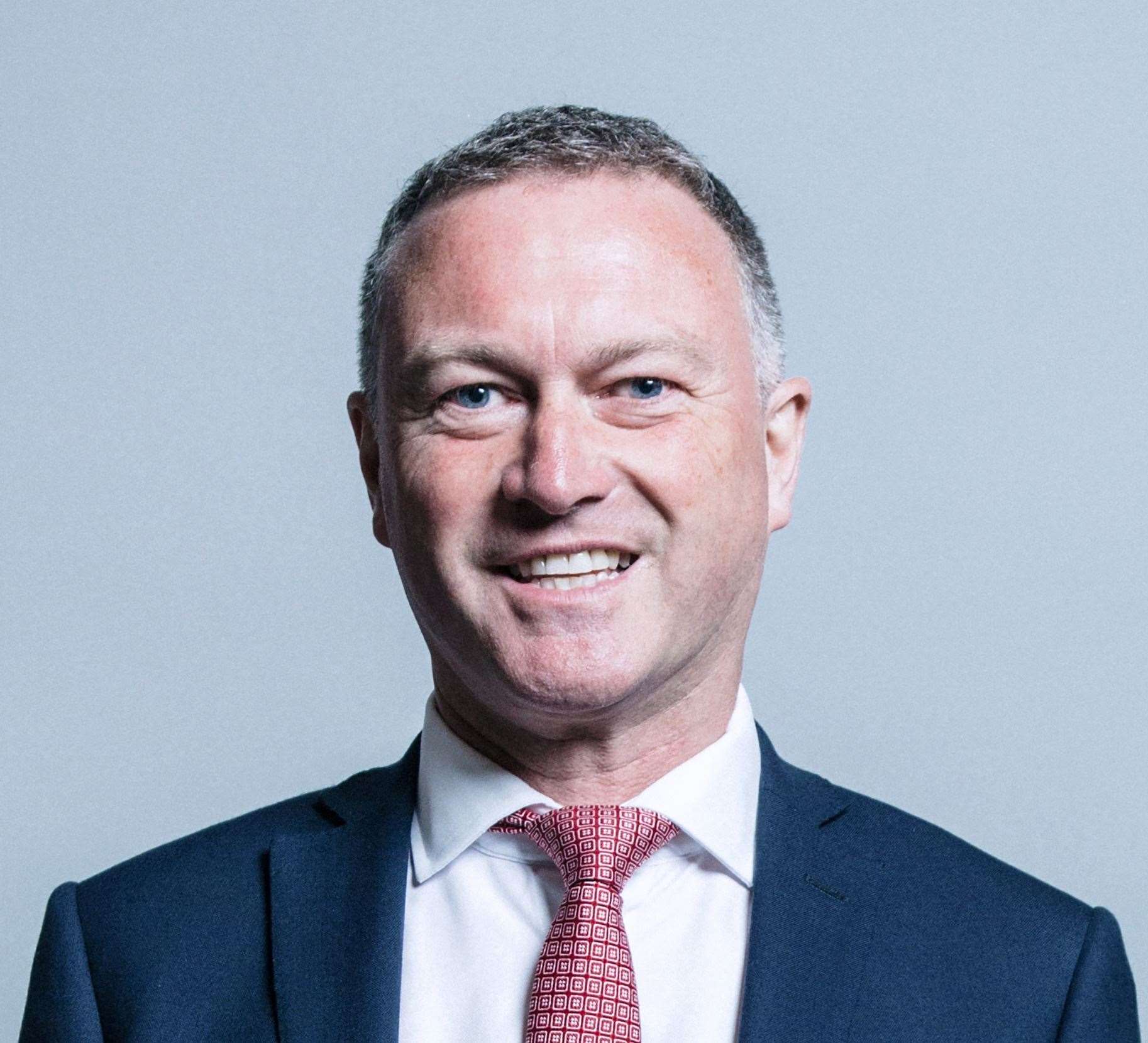
Council leaders and chief executives are waiting for the Secretary of State Steve Reed to make an announcement on Kent’s future this week, possibly on Wednesday or Thursday.


It will force all 14 elected county, borough and district councils to abolish themselves and be reshaped into a smaller number of much larger unitary authorities.
The government believes that unitaries are cheaper to run, hand greater autonomy to local communities and make the sector more streamlined.
Although a significant proportion of the current staff may be needed for the new authorities, far fewer of the top-salaried officers and chief executives will be required in future.
Mr Reed has had five options to choose from but some local observers’ “best guess” is he may choose “option 4d” submitted by Labour-run Medway Council.
This proposes a four unitary model which is divided into rough north, south, east and west boundaries but not based on current council geographies.

The Green Party leader of Maidstone council, Cllr Stuart Jeffery, anticipates an email on Tuesday or Wednesday calling him and his chief executive to a virtual meeting with either Mr Reed or his local government minister Alison McGovern.
An announcement will be made shortly after the meeting ends.
Option 4d would comprise parts of Dartford, Gravesham, Medway and Swale in the north; the remaining part of Dartford, Gravesham, Medway, with Sevenoaks, Tunbridge Wells, and parts of Tonbridge and Malling in the west; Maidstone, Ashford with the remaining parts of Tonbridge and Malling, Swale, and part of Folkestone and Hythe in the centre and south; Canterbury, Thanet, Dover with the remaining parts of Swale and Folkestone and Hythe in the east.

An elected Kent mayor, currently off the table, may be back on as Prime Minister-in-waiting Andy Burnham, formerly mayor of Greater Manchester, is understood to be in favour of mayoralties.
Elections to the transitional “shadow” authorities could be held as early as next May.
It remains to be seen if there is a judicial review challenge to the Kent decision, whichever way it lands.
Option 1a, promoted by Kent County Council’s Reform UK administration, is a one authority unitary with three assemblies sitting underneath.

Leader of the opposition Conservative group at Kent County Council (KCC), Cllr Harry Rayner said: “Nobody knows yet what the minister’s thinking is but most people I spoke to at the Local Government Association (LGA) conference seemed to think it would be 4d or a derivation of it.”
Under local government reorganisation (LGR), announced in late 2024 by the then Deputy Prime Minister, Angela Rayner, all of Kent’s council will effectively abolish themselves and be replaced by a much smaller number of large unitary authorities.
The government will be anticipating a judicial review challenge from any number of local authorities – including in Kent – over Mr Reed’s choices.

Option 3a, this would consist of three unitary councils consisting of Dartford, Gravesham, Medway and Swale in the north; Sevenoaks, Tonbridge and Malling, Maidstone and Tunbridge Wells in the west and Ashford, Canterbury, Thanet, Dover and Folkestone and Hythe in the east.

Option 4b comprises four unitary councils consisting of Dartford, Gravesham and Medway in the north; Sevenoaks, Tonbridge and Malling, Maidstone and Tunbridge Wells in the west; Swale, Ashford and Folkestone and Hythe in the middle of Kent and Canterbury, Thanet and Dover in the east.

Option 1a: KCC announced its intention to explore the case for a single unitary council, known as 1a, covering Kent and Medway supplemented with three area assemblies of Dartford, Gravesham, Medway and Swale in the north; Sevenoaks, Tonbridge and Malling, Maidstone and Tunbridge Wells in the west and Ashford, Canterbury, Thanet, Dover and Folkestone and Hythe in the east.

Option five: Known as 5a, Gravesham council and Dartford council have developed a proposal for a five-unitary model with boundary changes, consisting of Dartford, Gravesham, parts of Medway west of the River Medway, and Swanley in the north; Sevenoaks, Tonbridge & Malling, Tunbridge Wells, and Maidstone (excluding Swanley) in the west; the remainder of Medway with the western part of Swale (Sittingbourne area) in the middle; the rest of Swale (Faversham area) combined with Canterbury and Thanet; and finally, Ashford, Folkestone & Hythe, and Dover in the east.