Published on
July 13, 2026

Image generated with Ai
Portugal teams up with the United States and more as global tourism hotspots once again demonstrate how strong health measures can protect both residents and visitors while keeping international travel safe. This summer, summer holidays continue without major disruptions because destinations are responding quickly to norovirus outbreaks instead of slowing tourism. Moreover, Portugal teams up with the United States in highlighting resilience, preparedness, and traveller confidence across global tourism hotspots. As international travel evolves, these health measures become even more important for safe journeys. Travel And Tour World explores why this development matters, what travellers should know before departure, and how these destinations are keeping tourism moving despite health concerns.
Portugal Strengthens Health Measures as Tourism Continues Amid Norovirus Outbreak
Portugal remains one of Europe’s most sought-after summer destinations, attracting millions of visitors to Lisbon, Porto, the Algarve, Madeira, and the Azores. However, the country has recently drawn international attention after a norovirus outbreak linked to an international sports tournament resulted in more than 120 confirmed cases. The outbreak has primarily affected participants and individuals connected to the event rather than the wider tourism sector, allowing Portugal’s travel industry to continue operating without significant disruption. Public health authorities have responded swiftly by intensifying surveillance, tracing contacts, reinforcing hygiene measures, and encouraging anyone experiencing symptoms to self-isolate until recovery. Hotels, restaurants, and tourism operators have also been reminded to maintain strict sanitation standards. Importantly, there have been no travel bans or restrictions affecting international visitors. Instead, Portugal’s response demonstrates how modern destinations can successfully protect public health while preserving visitor confidence. The situation also highlights a growing global trend, as several other leading tourism destinations have faced similar localized norovirus outbreaks without allowing them to derail their tourism industries.
United States Relies on Enhanced Cruise Health Protocols
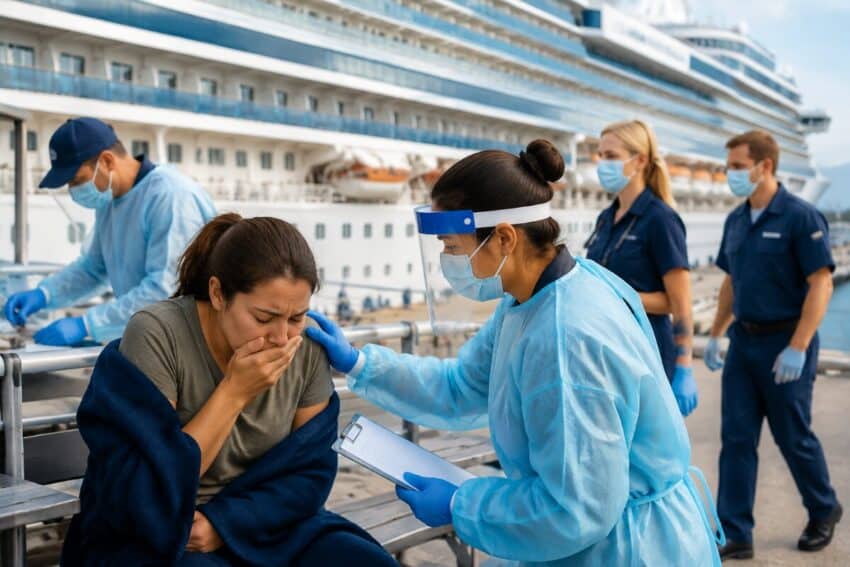
The United States has experienced several norovirus outbreaks over recent years, particularly aboard cruise ships sailing from Florida, Alaska, and other major ports. Cruise operators have responded by implementing comprehensive sanitation procedures, isolating symptomatic passengers, increasing onboard medical monitoring, and conducting deep-cleaning operations before subsequent voyages. Despite occasional outbreaks making headlines, the country’s cruise sector and wider tourism industry continue to welcome millions of domestic and international travellers every year. Visitors continue exploring destinations such as New York City, Orlando, Las Vegas, Yellowstone National Park, and Alaska with confidence. Similar to Portugal, American authorities emphasize rapid response, transparent communication, and preventive hygiene rather than imposing travel restrictions that could affect tourism.
Japan Demonstrates the Value of Seasonal Preparedness

Image generated with Ai
Japan regularly experiences seasonal norovirus activity, particularly during the colder months when cases typically increase in schools, restaurants, hotels, and elderly care facilities. The country’s public health system is well prepared for these annual occurrences through rigorous food safety inspections, prompt outbreak reporting, and nationwide hygiene campaigns encouraging frequent handwashing. Despite periodic outbreaks, Japan continues welcoming record numbers of international tourists eager to experience Tokyo, Kyoto, Osaka, Hokkaido, and Okinawa. Portugal’s response closely mirrors Japan’s strategy by focusing on prevention, public awareness, and rapid containment instead of limiting tourism activities, allowing visitors to continue travelling safely while remaining informed.
Advertisement
Advertisement
United Kingdom Focuses on Public Awareness Rather Than Travel Restrictions
Every year, the United Kingdom experiences seasonal surges in norovirus cases, particularly during the winter months. Rather than restricting travel, British health authorities encourage people to practise good personal hygiene, wash their hands thoroughly with soap and water, disinfect contaminated surfaces, and avoid travelling while symptomatic. These public health campaigns have become an important part of managing recurring outbreaks without significantly affecting tourism. Visitors continue enjoying iconic destinations including London, Edinburgh, Manchester, Bath, and the Lake District throughout the year. Portugal has adopted a comparable approach by prioritising health education and responsible traveller behaviour instead of introducing measures that would discourage tourism.
Spain Balances Busy Summer Tourism with Strong Health Monitoring
Spain, another Mediterranean tourism powerhouse, has occasionally recorded localized norovirus outbreaks linked to hotels, holiday resorts, restaurants, and cruise operations. Health authorities typically respond through food safety inspections, environmental sanitation, and temporary isolation of affected individuals while continuing to welcome international visitors. Popular destinations such as Barcelona, Madrid, Mallorca, Ibiza, Seville, and the Costa del Sol continue attracting millions of tourists annually despite isolated health incidents. Spain’s ability to manage outbreaks while maintaining strong visitor confidence closely resembles Portugal’s strategy, particularly during the busy European summer holiday season.
Advertisement
Advertisement
France Maintains Tourism Through Effective Public Health Management
France has also faced recurring outbreaks of viral gastroenteritis, including norovirus, particularly in schools, holiday camps, hospitality venues, and community settings. French public health agencies respond by strengthening hygiene measures, conducting outbreak investigations, and encouraging early reporting to limit transmission. These targeted interventions have enabled France to preserve its position as one of the world’s leading tourism destinations, welcoming visitors to Paris, the French Riviera, Provence, Bordeaux, and the Loire Valley. Portugal shares this balanced approach by focusing on localized containment measures that minimise health risks while allowing tourism businesses to operate normally.
Australia Combines Rapid Response with Traveller Confidence

Image generated with Ai
Australia occasionally records norovirus outbreaks in cruise ships, tourist accommodations, schools, hospitals, and aged-care facilities. Health authorities respond quickly by investigating cases, enhancing cleaning procedures, and advising affected individuals to remain isolated until they are no longer infectious. These measures have helped Australia maintain strong traveller confidence while protecting both residents and visitors. International tourists continue exploring Sydney, Melbourne, Tasmania, the Great Barrier Reef, and Western Australia’s natural attractions without widespread disruption. Like Portugal, Australia demonstrates that effective public health communication and timely intervention can successfully manage localized outbreaks without undermining tourism.
Canada Prioritises Prevention While Keeping Destinations Open
Canada has similarly experienced periodic norovirus outbreaks associated with cruise travel, hotels, recreational facilities, and community settings. Provincial health authorities consistently encourage proper hand hygiene, food safety practices, environmental cleaning, and prompt reporting of suspected outbreaks. These preventive measures have allowed Canada to maintain a safe tourism environment while welcoming millions of international visitors to destinations including Vancouver, Toronto, Quebec City, Niagara Falls, Banff National Park, and Nova Scotia. Canada’s measured response closely aligns with Portugal’s strategy of protecting public health through practical prevention rather than restricting travel.
Comparison of Countries Managing Norovirus While Supporting Tourism
| Country | Nature of Outbreak | Health Response | Tourism Impact | Why It Matches Portugal |
|---|---|---|---|---|
| Portugal | Sports tournament-linked norovirus outbreak | Enhanced surveillance, hygiene guidance, contact tracing | Tourism continues normally | Main focus with localized containment measures |
| United States | Cruise ship outbreaks | Deep cleaning, passenger isolation, onboard monitoring | Cruises and tourism continue | Strong outbreak management without restricting travel |
| Japan | Seasonal community and hospitality outbreaks | Food safety inspections and hygiene campaigns | Record tourism continues | Prevention-first approach similar to Portugal |
| United Kingdom | Seasonal winter outbreaks | Public awareness and hygiene advice | Minimal tourism disruption | Focus on education rather than restrictions |
| Spain | Hotel, resort and cruise outbreaks | Sanitation and food safety inspections | Busy summer tourism maintained | Mediterranean tourism model with similar response |
| France | Hospitality and community outbreaks | Localized investigations and infection control | Tourism remains resilient | Balanced health and tourism strategy |
| Australia | Cruise and accommodation outbreaks | Rapid investigations and enhanced sanitation | Tourism continues normally | Effective public health communication |
| Canada | Cruise, hotel and community outbreaks | Hygiene promotion and food safety measures | Visitor confidence maintained | Prevention-focused management similar to Portugal |
What Travellers Should Keep in Mind
The experiences of Portugal and these seven countries demonstrate that localized norovirus outbreaks are not uncommon in popular tourist destinations and rarely lead to widespread travel disruptions. Instead, successful destinations rely on rapid public health responses, transparent communication, strict sanitation standards, and responsible traveller behaviour to minimise risks. Travellers can significantly reduce their chances of infection by washing their hands frequently with soap and water, consuming food from reputable establishments, staying hydrated, and postponing travel if they develop symptoms. Portugal’s current response illustrates how destinations can successfully safeguard public health while continuing to welcome visitors, reinforcing confidence that informed and responsible travel remains possible even when localized health incidents occur.

Image generated with Ai
The experiences of Portugal and these seven countries highlight an important reality for modern travellers: localized norovirus outbreaks do not necessarily make a destination unsafe or unsuitable for travel. Instead, they demonstrate the importance of robust public health systems, rapid response measures, transparent communication, and responsible traveller behaviour in managing infectious diseases without disrupting tourism. As international travel continues to grow, destinations are increasingly equipped to balance visitor safety with economic resilience, ensuring that tourism can continue even when isolated health incidents occur. For travellers, following simple precautions such as practising good hand hygiene, choosing reputable dining establishments, staying hydrated, and avoiding travel while ill can significantly reduce the risk of infection. Portugal’s response serves as a strong example of how proactive health management allows destinations to remain welcoming, safe, and resilient, reinforcing confidence for visitors planning their next summer getaway.
Advertisement
Advertisement