China’s foreign policy has been traditionally viewed through the lens of its relationship with the United States. While Washington remains its most important economic partner and strategic competitor, Beijing’s push for a multipolar world is increasingly visible in its systematic efforts to convene a wide range of international groupings, institutions and economic networks in which China can play an indispensable role.
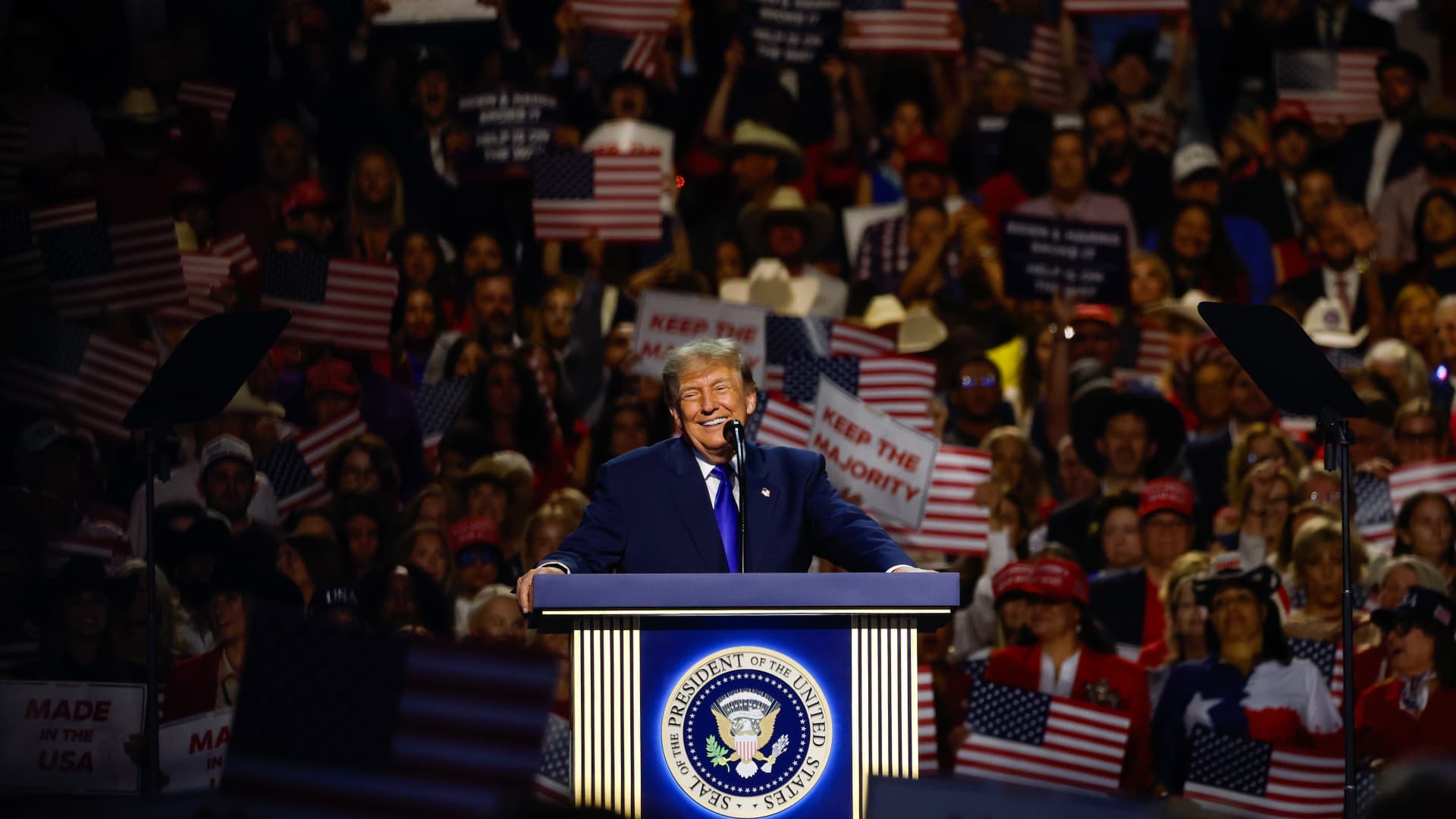
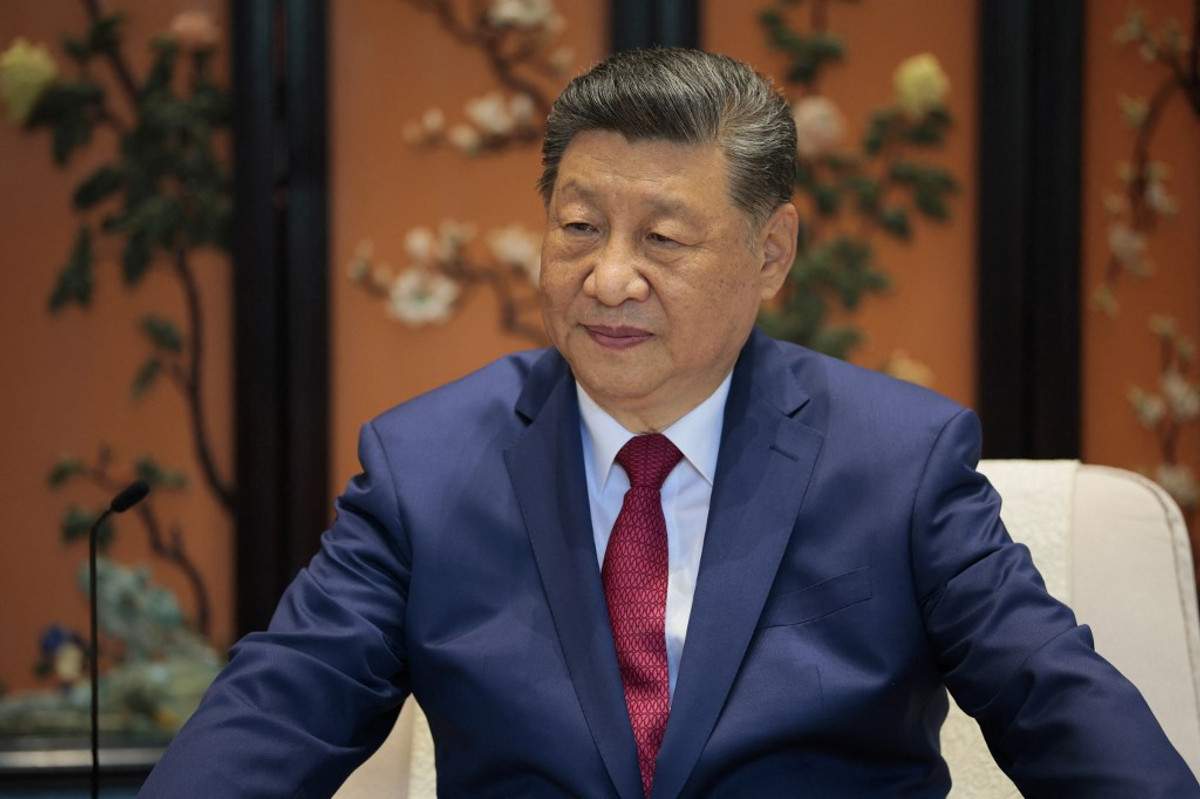
Xi Jinping’s September diplomacy provides a particularly vivid example of this strategy. Over the course of the month, the Chinese president is engaging with the leaders of Russia, India, Iran, Central Asian states, Egypt and several emerging powers through a succession of summits and bilateral meetings, before he meets President Donal Trump at the end of the month. Taken together, these engagements offer a window into how Beijing is attempting to strengthen its position across Eurasia and the wider Global South, moving away from the US-led international system towards a multi-polar world order.
JOIN US ON TELEGRAM
Follow our coverage of the war on the @Kyivpost_official.
The Influence of the war in Ukraine
There is another thread running through this diplomatic sequence: Russia’s war in Ukraine. Although the war is unlikely to dominate the formal agenda of most of these meetings it will have a bearing. Beijing may continue to avoid openly aligning itself with Moscow, but China has emerged as the largest buyer of Russian crude oil and as the biggest transshipment hub of components used in Russian weapons.
Other Topics of Interest
Zelensky’s Drone-Disrupted Flight Highlights Wartime Travel Risks as Kyiv Calls Near-Miss Claims Exaggerated
Zelensky’s Moldova flight delay underscores the risks of wartime diplomacy and the striking difference in travel between Kyiv and Moscow’s leaders.
Such a dependency offers Beijing substantial economic and diplomatic leverage over Moscow, and the Trump administration’s renewed efforts to end the war potentially give Beijing an additional source of leverage in its dealings with Washington.
This makes Xi’s September program of summits more than a series of routine diplomatic engagements. The sequence begins with China consolidating its influence in Eurasia, extends through its expanding economic and strategic presence in the Middle East and the Global South, and culminates in a meeting with Washington. The big question is whether this broader diplomatic positioning is also intended to strengthen Xi’s hand in negotiations with Trump—and whether China’s relationship with Russia and its position on Ukraine could become part of that bargaining.
The Shanghai Cooperation Summit
The first stop in Xi’s September itinerary was Bishkek. This year, the Kyrgyz capital hosted the 26th Shanghai Cooperation Organisation (SCO) summit, bringing together the leaders of China, India, Pakistan, Russia, Belarus, Iran, and thel Central Asian republics of Kyrgyzstan, Tajikistan, Kazakhstan and Uzbekistan.
It was on the sidelines of the SCO summit that India’s PM Modi stressed the importance of moving away from “endless war to the end of war” with Ukraine while speaking to Putin. Xi’s language on the subject was much more subtle. He only made a brief reference to Ukraine, grouping it with the Middle East and Afghanistan as international “hotspot” issues. Xi said that China was ready to “strengthen communication with all sides and promote a political settlement,” while avoiding any direct references to Russia.
The SCO is not a conventional alliance. It is a broad Eurasian forum focused on security and economic cooperation whose members often pursue very different geopolitical agendas. China and Russia want to reshape the US-led order. India insists on strategic autonomy while maintaining close ties with Washington. Most Central Asian states hedge between China, Russia and other powers such as Turkey. The ongoing India-Pakistan border tensions further complicate achieving the forum’s aligned position.
For Beijing, this diversity of interest is a feature, not a flaw. China is using the SCO to build a political and economic counterweight to US dominance without turning it into an explicit anti-American bloc. Xi’s emphasis on sovereignty, multilateralism and development appeals to countries that want more room to maneuver without formally aligning with China. The SCO gives Beijing a way to expand its influence without demanding formal allegiance.
In meeting with Putin and Modi in Bishkek Xi was able to demonstrate that China can effectively deal with both long-term geopolitical partners and rivals. For Xi, the SCO is about building the Eurasia political and economic architecture in which China enjoys the role of an indispensable power.
In practical terms, the Bishkek summit demonstrated how China is linking its geopolitical strategy to technology and connectivity. Xi proposed an international cooperation centre on AI applications for SCO countries. He also announced 100 joint technology projects over the next three years and a China-SCO port-economy cooperation center in Tianjin.
Transport connectivity is the other pillar. The China-Kyrgyzstan-Uzbekistan railway, a USD 4.7 billion project linking western China and the central Asian republics. It reflects China’s broader effort to tie Central Asia more closely to the Chinese trade and transport networks, especially in the age of geopolitical uncertainty. China sees it as complimentary to the existing Belt and Road Initiative that aims to invest into transport infrastructure across 150 countries.
Together, these developments give China something more tangible than a geopolitical message: infrastructure, technology and access to markets. This is how Beijing seeks to build a China-centered Eurasian order—not by demanding allegiance, but by making its economic and technological networks too important for regional powers to ignore.
Egypt visit
Immediately after the SCO summit in Bishkek, Xi arrived in Egypt, marking his first official visit to Cairo in a decade. This trip represented both a bilateral economic mission and a geopolitical signal with one of America’s key allies in the Middle East.
Xi and President Abdel Fattah el-Sisi agreed to deepen their “comprehensive strategic partnership,” with more than 20 cooperation documents signed covering the Belt and Road, AI, digital economy, industrial and supply-chain cooperation, education and transport. They also reaffirmed cooperation around the Suez Canal Economic Zone, manufacturing, renewable energy and technology.
More interestingly, from Beijing’s perspective, was the acknowledgement of the impact on regional geopolitics. Xi backed greater regional autonomy in Middle Eastern security and argued that the countries of the region should be the “masters” of their own affairs – a clear reference to the current US role. China also offered to help safeguard international shipping lanes amid the disruption around the Strait of Hormuz.
There was also a significant strategic-economic dimension. Egypt is an important node for China because of the Suez Canal. Controlled by Egypt, this critical maritime point enjoys a strategic location between Africa, the Middle East and Europe and has a growing role as a destination for Chinese investment and goods, especially during the time of lingering regional tensions.
China has already invested heavily in Egypt, including in the Suez Economic and Trade Cooperation Zone at Ain Sokhna. The zone had attracted more than 200 companies and over $4.7 billion in investment by June 2026.
Xi’s Cairo visit therefore fitted neatly into Xi’s broader September diplomacy: Bishkek demonstrated China’s Eurasian reach; Cairo showed its growing Middle Eastern and Global South reach; and both strengthened his position ahead of the BRICS summit in India and the Washington meeting with Trump scheduled for the end of September.
The next critical stop in Xi’s September diplomacy will be in New Delhi, where India hosts the 18th BRICS summit on Sept. 12–13. For Beijing, the event brings together the main themes of Xi’s September diplomatic drive: relations with major emerging powers, economic cooperation and a stronger voice for the Global South.
There are unlikely to be references to Russia’s ongoing war on Ukraine at the summit. The agenda is increasingly practical. India’s BRICS chairmanship is focused on resilience, innovation, cooperation and sustainability. It is about resilient global supply chains, trade finance for small businesses and greater use of digital services. Energy cooperation is another priority, including critical minerals, energy storage, smart grids and hydrogen. BRICS members have also discussed cooperation on AI, cybersecurity, digital infrastructure and next-generation communications.
For China, these areas are particularly relevant. It is already a major supplier of manufacturing, digital technologies and clean-energy equipment to many BRICS economies. Greater cooperation within the group can therefore open markets for Chinese companies while reducing the vulnerability of trade and supply chains to geopolitical tensions with the West.
The summit is also important for China-India relations. It is Xi’s first visit to India since 2019, providing an opportunity to stabilize a relationship marked by border tensions and ongoing economic competition. Beijing does not need India to fully align with China, but it has an interest in keeping New Delhi engaged in BRICS and preventing their rivalry from dominating the organization.
BRICS therefore gives Xi the broadest platform of his September tour and an important global stage to push for China’s multipolar agenda before his planned visit to Washington on Sept. 24.
The design of the meeting program
The sequence of Xi’s September summits is perhaps more significant than any individual meeting. Bishkek demonstrated China’s ability to shape the political and economic architecture of Eurasia. Cairo highlighted its expanding role in the Middle East and Africa, while New Delhi offers Xi a platform to bring these relationships together under the broader framework of the Global South.
The upcoming Washington meeting therefore needs to be viewed in the context of the entire September tour. Trade barriers, rare earths, technology and AI are likely to dominate the economic agenda, while Taiwan will remain a sensitive strategic issue. The war in Ukraine may also enter the discussions, particularly as the Trump administration renews pressure for a settlement. China’s influence over Moscow gives Beijing a potential source of leverage, although it remains to be seen whether Xi would be willing to use that influence in exchange for concessions from Washington.