5 min readNew DelhiAug 14, 2026 06:00 AM IST
Why does eating dinner late at night often lead to a higher blood sugar spike than eating the same meal earlier in the evening? This is what we asked an expert, and we were told that our body’s ability to process glucose follows a natural biological clock, known as the circadian rhythm. During the day, particularly in the morning and afternoon, our cells are generally more sensitive to insulin, the hormone that helps move glucose from the bloodstream into the cells. “As the evening progresses, insulin sensitivity naturally declines. This means the body requires more effort to regulate the same amount of glucose after a late-night meal, resulting in a higher and more prolonged rise in blood sugar,” explained Dr Vijay Negalur, HoD, diabetology, KIMS Hospitals Thane.
DISCLAIMER: This article is based on information from the public domain and/or the experts we spoke to. Always consult your health practitioner before starting any routine.

In simple words, when we eat just before sleeping, the body is preparing for rest rather than active digestion and energy expenditure. “Physical activity drops significantly, so muscles use less glucose. At the same time, hormonal changes during the night can make glucose regulation less efficient. As a result, blood sugar tends to remain elevated for longer compared to a meal consumed earlier in the evening,” said Dr Negalur.
Does the timing of dinner matter as much as what we eat?
Both are important. “A balanced meal containing adequate protein, fibre and healthy fats alongside controlled portions of carbohydrates produces a steadier rise in blood sugar than a meal rich in refined carbohydrates or sugary foods. However, even a healthy dinner eaten very late may lead to a greater glucose response than the same meal consumed earlier. Meal timing and meal composition should therefore be considered together rather than separately,” said Dr Negalur.
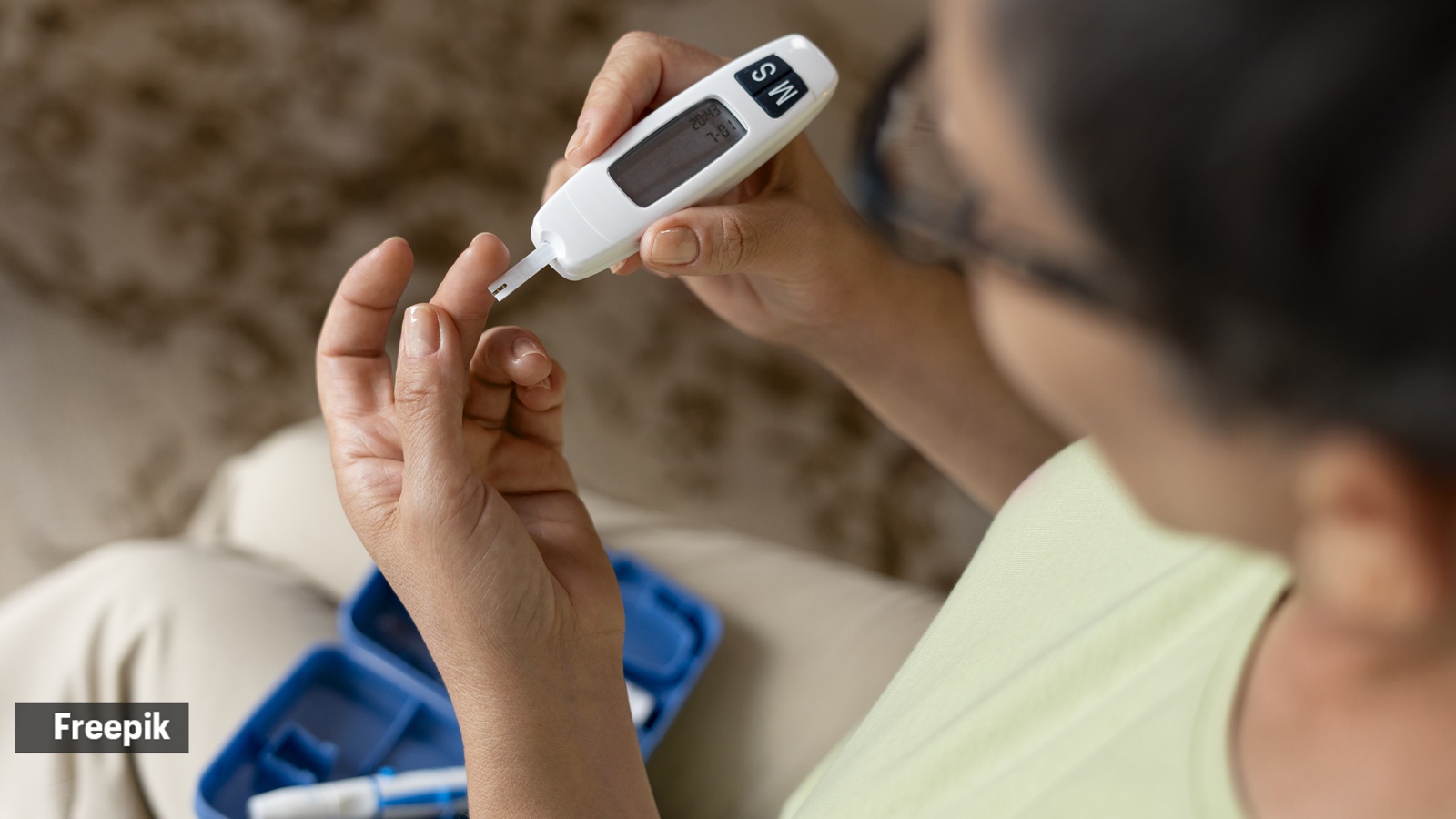 Your blood sugar gets affected (Photo: Freepik)
Can regularly eating late at night increase the risk of diabetes?
Habitual late-night eating has been associated with impaired glucose metabolism, weight gain and insulin resistance, particularly when combined with inadequate sleep, sedentary habits and excess calorie intake. “While late dinners alone do not directly cause diabetes, they can contribute to metabolic changes that increase the risk of prediabetes and Type 2 diabetes over time, especially in individuals who are already overweight or have a family history of diabetes,” apprised Dr Negalur.
Who should be especially careful about late-night dinners?
People living with diabetes or prediabetes should pay particular attention because their bodies already have difficulty regulating blood sugar. “Individuals with obesity, metabolic syndrome, polycystic ovary syndrome (PCOS) or those working night shifts may also experience greater metabolic disruption. Even healthy individuals can experience higher glucose spikes if they consistently consume large meals late at night,” said Dr Negalur.
What is the ideal time to have dinner?
Ideally, dinner should be finished at least two to three hours before going to bed. “This gives the body sufficient time to digest the meal and begin regulating blood sugar before sleep. If work schedules make this difficult, it is better to have a lighter dinner and avoid large portions or high-sugar foods late in the evening,” said Dr Negalur.
Story continues below this ad
Can a short walk after dinner help control blood sugar?
Yes, Dr Negalur affirmed, adding that a light walk for about 10 to 20 minutes after dinner encourages muscles to use glucose for energy, which can reduce the post-meal rise in blood sugar. “It is one of the simplest lifestyle measures that benefits both people with diabetes and those looking to improve metabolic health, provided there are no medical limitations to physical activity,” he mentioned.
Mistakes to avoid
The most common mistakes include delaying dinner until very late, eating oversized portions after skipping meals during the day, consuming refined carbohydrates and sugary desserts, and going to bed immediately after eating. “Regularly following these habits places additional stress on the body’s glucose regulation mechanisms and can gradually worsen metabolic health,” stressed Dr Negalur.
What helps
Good blood sugar control is not determined by a single meal but by consistent lifestyle habits. “Eating dinner at a reasonable hour, choosing balanced meals, remaining physically active, getting adequate sleep and maintaining a healthy body weight all work together to support better glucose control. People with diabetes or prediabetes should also monitor their blood sugar regularly and seek medical advice before making major dietary changes,” said Dr Negalur.
DISCLAIMER: This article is based on information from the public domain and/or the experts we spoke to. Always consult your health practitioner before starting any routine.