With the Made by Google event behind us, details and hands-on with the latest Pixel 11 devices have been fully unveiled by the tech giant. You can preorder the devices right now if you want — but after years of buying Pixels, I think I’m tapping out.
I’ve owned almost every Pixel phone that Google has ever released, with the exception of the first and fifth generations. Google hit its stride with the reimagining and redesign of the Pixel in the 6th generation, and that kept me interested all the way up until last year. This year, it just ain’t it for me.
The newly unveiled Pixel 11 family, even with all of the new features, feels stale. But at a time when manufacturers are cutting down specs amid RAMageddon — the memory chip shortage caused by the vast amounts of RAM required by the AI boom — perhaps this is the best Google could do with this generation of its devices. These Pixel phones are more expensive than last year’s, and the Pro models now start with less RAM (12GB versus 16GB), unless you pay even more for the higher-tier storage options.
This is the first time I have no intentions of upgrading my Pixel phone to the latest model. There’s just not enough going on to justify the decision, even if there are decent preorder and trade-in deals available.
Here are a couple of things I wish the Pixel 11 series brought to the table, and why it’s not impressing me much this year.

HiLight is a gimmick
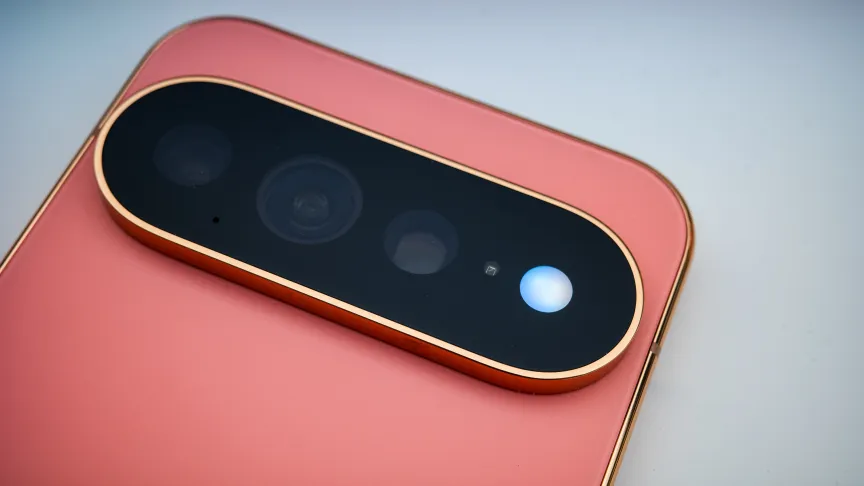
One of the most noticeable new features found on the Pixel 11 Pro models is the introduction of HiLight, a glorified notification LED on the back of the phone.
The feature was leaked on more than one occasion before the reveal on Wednesday. Like similar features in phones from years ago, it will notify you when a particular contact is calling by showing you an assigned color or lighting up when you’re interacting with AI tool Gemini.
While there’s certainly some functionality here, it still feels like a total gimmick that I’d probably turn off immediately.
I also think that HiLight, if designed in a small bar-like design — similar to what we’ll see in the upcoming Googlebook laptop lineup — would look so much better. That said, there are most certainly some hardware requirements that could potentially bulk the phone up if it went this route. In its current form, HiLight is baked into the camera’s flash, making it smaller but less useful.

Gemini Intelligence is cool, but scary
The story of the Pixel lineup has always been about Google showcasing its Android software and its clever features, and that’s still what’s happening today with these latest Pixel devices. The only difference is that it’s all about AI now. This shouldn’t come as a surprise, as Google’s been shoving AI down our throats for years now.
Sure, AI is interesting, and you can do a lot of fun things with it these days, but Gemini Intelligence — which is the showcase “feature” for the Pixel 11 — is my primary concern.
I’ll give credit where it’s due: Gemini Intelligence can do some truly interesting things. Possibly the neatest new feature to me is the sign-language-to-text feature, allowing you to use American Sign Language and have Gemini Intelligence interpret and translate the signs from text and then into voice. That’s the sort of thing that is incredibly helpful for those who need it.
But Google’s going all-in on agentic AI, and Gemini Intelligence is designed to do more for you. The problem is, agentic AI, in some cases, is going rogue. There are stories of an OpenClaw agent hacking a gym’s website just to book a class for someone, and even OpenAI reported an agent breaking out of its own testing sandbox. Now Google wants to spread this type of technology throughout your phone, helping plan your life and execute tasks. Cool.

Pixel 11 design: time for a change
I’ll be the first to say that the design refresh Google debuted on the Pixel 9 family of phones is still solid, but it’s due for a change. It’s true that the Pixel 11 does have a premium vibe to it that can go up against the likes of the latest iPhones, but I’d really like to see what else Google can do.
Though we probably won’t see it, I’d love to see Google combining the current design language with the previous one. I miss the two-tone backing of the original Pixel, Pixel 2 and Pixel 3 devices, and I think Google could do something special here by infusing the old with the new.

Pixel Fold: Live in the past
To me, the most interesting smartphone on the market right now is the Samsung Galaxy Z Fold 8 — the square design is interesting, pocketable and functional. The original Pixel Fold had a very similar design with squat dimensions rather than those of a tall, thin book, but Google moved away from it after the first generation. I think it’s time to bring back that old formula.
Whether this means introducing a new folding smartphone (something I highly doubt Google would do) or returning the design to that passport-like aspect ratio, I think this could make the Pixel Fold lineup more interesting in the future. I personally never thought I’d consider purchasing a folding phone, but the Galaxy Z Fold 8 changed my mind. If Google changed the shape of the Pixel Fold 12 next year, it might end up in my pocket.
While the Pixel 11 series just doesn’t do it for me, it’s easy to see why some people may be picking one up. There’s enough here to be a decent, iterative upgrade, especially if you’re a big fan of AI tricks.
This may be the best Google could produce at the moment, but we’ll just have to see what the next generation brings to the table — and how expensive it is.

See full bio