‘I used to find comfort in food,’ says Brian Brister, ‘eating not only when I was sad but also when I was happy.’
The 32-year-old fashion photographer from Los Angeles, California, struggled with his weight for a long time; as a youngster, he was diagnosed with Hashimoto’s thyroiditis after gaining almost 60 pounds [27.2kg]. He started taking medication, but kept gaining weight. ‘I didn’t know – or have the desire to learn – how to eat healthy,’ he says.
Even living in New York City and walking everywhere, Brister was largely inactive. And healthy eating was still out of reach.
‘I could go days without eating a single vegetable, except French fries, if that even counts,’ he says. Constantly tired, unable to bend over to tie his shoes, and having to sit down after climbing a single flight of stairs, he felt defeated. Then a series of knee surgeries left him couch-ridden for five months. He gained another 50 pounds [22.7kg], bringing him to 330 [149.7kg]. He was 30 years old.
He’d nearly resigned himself to that life until, a few weeks later, he met with a coach from the healthy weight and habits company, OPTAVIA. Brister decided he’d try one of their plans for a month, even though, he says, he ‘didn’t actually believe anything would change.’
At the end of the month, he had dropped 32 pounds [14.5kg] – and that convinced him to keep going.
From No Vegetables to a Plate Full
The programme had him focusing on a healthier diet, which was a big change for Brister. He started eating six times a day: five meals were nutrient-dense and portion-controlled, and one consisted of lean protein and three vegetable servings. He also started drinking more water.
It was all part of a project to change his mindset around his health. At first, it was tough to resist his typical large, carb-heavy meals, but he soon found he liked learning new ways to cook, and discovering new vegetables to eat. He also liked working on hydration and sleep. As he changed his habits, he found he had more energy and mental clarity. He began moderate exercise, including press ups and planks or jogging. In 12 months, he lost 145 pounds [65.8kg].
‘I underwent a major physical, emotional and spiritual transformation,’ he says. ‘I feel like a completely different person.’
The Results
He can now hike and walk around without knee pain; he’s able to lead songs at church without feeling winded. He’s even weaned himself off caffeine. ‘I still drink coffee because I love it,’ he says, ‘but I rarely feel like I need it.’
Dropping the weight gave him more confidence, Brister says.
‘I have more energy, more mental clarity and I’m stronger in so many areas of my life.’
He’s become a coach himself, and shares his story to inspire others to keep striving. He’s just ten pounds [4.5kg] from his goal weight; from there he’s excited to work and tone his body.
‘Losing weight has been amazing, but keeping that weight off long term will be the real win,’ he says.
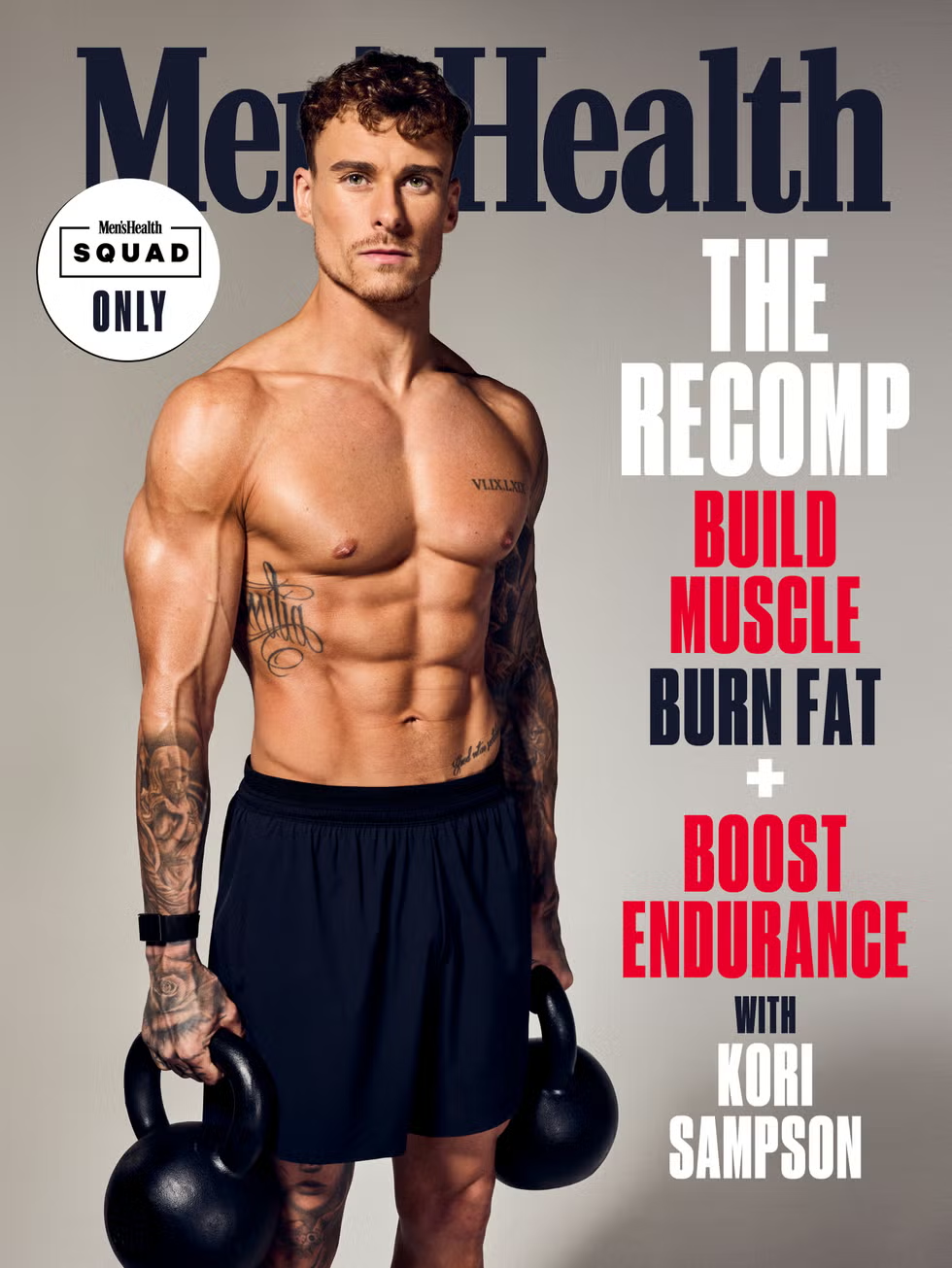
If there’s one thing Kori Sampson knows, it’s how to optimise your body composition for performance. To tap into his knowledge as an elite athlete and coach, we asked him to create a 4-week plan to help you move faster, recover quicker and keep pushing when the fatigue sets in – all while improving your muscle-to-fat ratio.
Ready to build muscle, burn fat and come out the other side looking, feeling and performing better? Click here to get 14 days of free access to the plan via the Men’s Health app.