Published on
July 12, 2026
By: Pritam Nath

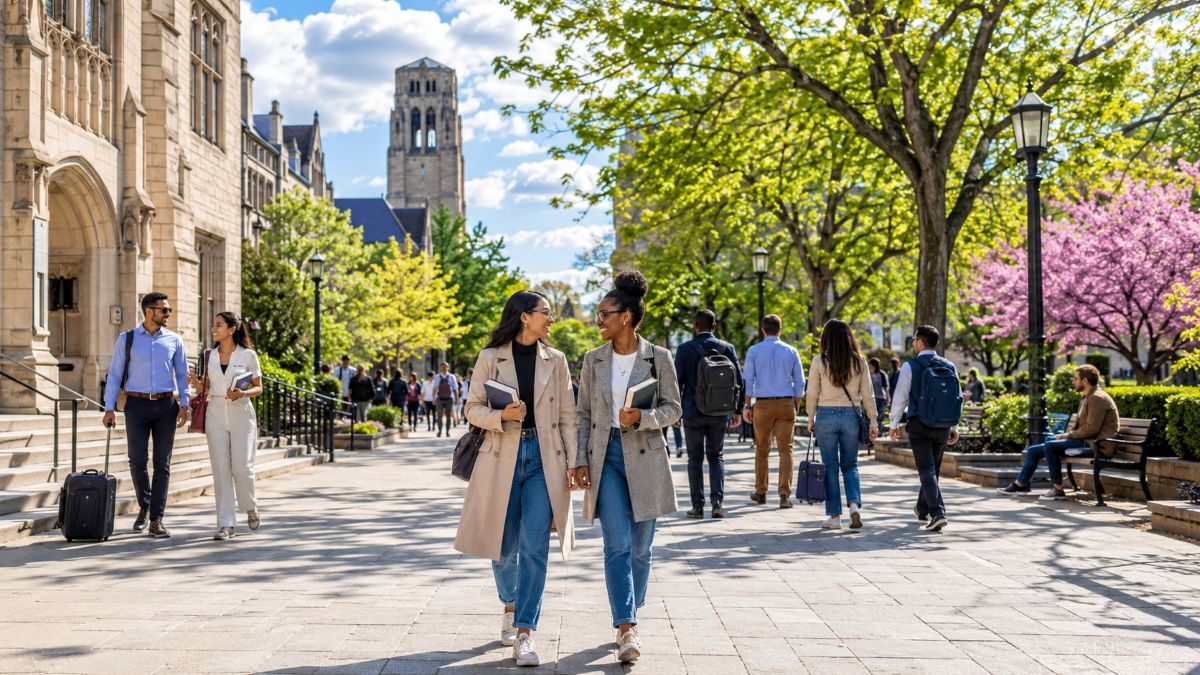
Image generated with Ai
Ann Arbor, Michigan, has emerged as America’s most educated city for 2026, reinforcing the United States’ global reputation as a destination where higher education, innovation, and tourism intersect. Recognized for its exceptional educational attainment, high-quality public schools, and internationally respected universities, the city has become far more than a traditional college town. Its academic environment, thriving research ecosystem, cultural attractions, and walkable downtown continue to attract students, educators, researchers, families, and travelers from around the world. The recognition also strengthens the United States’ position alongside countries such as Canada, the United Kingdom, Australia, and Germany, all of which are internationally recognized for outstanding higher education systems and research excellence.
For travelers, Ann Arbor offers an experience that combines intellectual discovery with cultural exploration. Visitors can tour one of America’s leading public universities, explore award-winning museums, stroll through botanical gardens, enjoy vibrant public art, and experience a community shaped by innovation and lifelong learning. Beyond education, the city’s accessibility from Detroit, its diverse culinary scene, annual festivals, and welcoming atmosphere make it an increasingly attractive destination for educational tourism. The latest recognition reflects broader travel trends where visitors increasingly seek destinations offering authentic learning experiences alongside traditional sightseeing.
Ann Arbor Tops America’s Education Rankings for 2026
| Ranking Category | Highlights |
|---|---|
| National Position | America’s Most Educated City (2026) |
| State | Michigan |
| Leading Strength | Highest percentage of adults with college education |
| Public Education | Highest-ranked public school system |
| Educational Equality | Minimal gender gap in bachelor’s degree attainment |
| Global Appeal | Strong academic and educational tourism destination |
Ann Arbor secured the highest overall ranking after researchers evaluated educational attainment, school quality, higher education opportunities, and educational equity among the 150 largest metropolitan areas in the United States.
The city’s outstanding academic profile reflects decades of investment in education, research, innovation, and community development. Unlike rankings that focus solely on university prestige, the study considered multiple indicators that demonstrate how education influences everyday life across the community.
Why Ann Arbor Continues to Stand Above Other American Cities
| Key Advantage | Impact on Visitors and Residents |
|---|---|
| World-class universities | International academic reputation |
| High educational attainment | Skilled workforce and innovation |
| Excellent public schools | Family-friendly destination |
| Research ecosystem | Technology and entrepreneurship |
| Walkable downtown | Enhanced visitor experience |
Education has become deeply embedded in Ann Arbor’s identity. The city attracts academics, entrepreneurs, healthcare professionals, scientists, and innovators who contribute to an environment of continuous learning.
This educational culture benefits visitors as well. Museums, lecture series, cultural festivals, public exhibitions, historic landmarks, and university events create opportunities for travelers to experience intellectual tourism throughout the year.
Advertisement
Advertisement
University of Michigan Strengthens Global Educational Reputation
| University Highlights | Details |
|---|---|
| Institution Type | Public Research University |
| Undergraduate Enrollment | More than 35,000 students |
| Academic Programs | 19 nationally recognized schools and colleges |
| International Recognition | Top-ranked public university |
| Research Strength | Science, medicine, engineering, AI, business |
The University of Michigan remains the city’s most influential institution and one of America’s premier public universities.
Its global reputation attracts students from numerous countries, strengthening Ann Arbor’s multicultural atmosphere. The university’s achievements in medicine, engineering, artificial intelligence, business, public policy, environmental science, and law have contributed significantly to the city’s international profile.
Beyond academics, the campus welcomes visitors through museums, architecture, gardens, public performances, athletic events, and educational exhibits that make it a destination in its own right.
Educational Attractions That Appeal to Travelers
| Attraction | Visitor Experience |
|---|---|
| Matthaei Botanical Gardens | Nature, conservation, walking trails |
| Nichols Arboretum | Scenic landscapes and seasonal blooms |
| Kelsey Museum of Archaeology | Ancient civilizations and artifacts |
| University Museum of Art | Contemporary and classic collections |
| Historic Campus | Architecture and guided tours |
Educational tourism increasingly focuses on immersive experiences rather than traditional sightseeing.
Ann Arbor offers visitors opportunities to explore botanical collections, archaeological discoveries, public art installations, research museums, libraries, and cultural institutions that showcase both history and innovation.
These attractions appeal to students, families, researchers, and curious travelers seeking meaningful experiences.
Advertisement
Advertisement
Higher Education Extends Beyond One University
| Institution | Academic Focus |
|---|---|
| Concordia University Ann Arbor | Healthcare, education, business |
| Washtenaw Community College | Technology, cybersecurity, engineering |
| University of Michigan | Comprehensive research and higher education |
While the University of Michigan dominates the educational landscape, Ann Arbor benefits from a broader academic ecosystem.
Concordia University Ann Arbor provides undergraduate, graduate, and doctoral education with emphasis on healthcare and education, while Washtenaw Community College supports workforce development through specialized programs in technology, transportation, engineering, cybersecurity, and applied sciences.
Together, these institutions create a diversified education network that strengthens both local economic development and educational accessibility.
Education Drives Tourism and the Local Economy
| Tourism Driver | Contribution |
|---|---|
| Campus visits | Year-round travelers |
| Graduation ceremonies | Domestic and international visitors |
| Academic conferences | Business travel growth |
| Sporting events | Increased hospitality demand |
| Cultural festivals | Extended visitor stays |
Educational institutions generate substantial tourism throughout the year.
Parents visiting prospective students, international scholars attending conferences, alumni returning for reunions, sports fans attending university events, and researchers collaborating on projects all contribute to sustained tourism demand.
Hotels, restaurants, retail businesses, transportation providers, and entertainment venues benefit from the consistent flow of education-related visitors.
Advertisement
Advertisement
Downtown Ann Arbor Complements the Academic Experience
| Downtown Highlights | Visitor Appeal |
|---|---|
| Graffiti Alley | Public art and photography |
| Independent bookstores | Literary culture |
| Cafés and restaurants | Diverse dining |
| Local boutiques | Shopping |
| Entertainment venues | Music and cultural events |
The city’s downtown reflects its academic personality.
Independent bookstores, coffee houses, local restaurants, music venues, galleries, and public art create an energetic atmosphere that appeals equally to students and tourists.
Graffiti Alley has become one of the city’s most photographed attractions, showcasing constantly evolving street art that complements Ann Arbor’s creative identity.
Easy Accessibility Expands Visitor Opportunities
| Transportation Option | Convenience |
|---|---|
| Detroit Metropolitan Region | Nearby international gateway |
| Road Connections | Approximately one-hour drive |
| Rail Access | Convenient regional transportation |
| Regional Airports | Domestic and international connectivity |
Ann Arbor’s proximity to Detroit enhances its appeal for travelers.
Many visitors combine educational tourism with broader Michigan itineraries, exploring Detroit’s museums, music heritage, sports venues, and cultural districts before continuing to Ann Arbor.
This regional connectivity supports both leisure tourism and business travel.
Advertisement
Advertisement
Academic Tourism Continues Growing Worldwide
| Global Trend | Influence |
|---|---|
| University tourism | Rising international demand |
| Campus visits | Student recruitment |
| Research collaboration | Increased academic mobility |
| Cultural learning | Experiential travel growth |
| Educational conferences | Business tourism expansion |
Educational tourism has become one of the fastest-growing segments within global travel.
Prospective students increasingly travel internationally before selecting universities, while academic conferences, exchange programs, research partnerships, and educational events generate year-round visitor activity.
Cities with internationally respected universities often benefit from longer visitor stays, higher spending, and repeat tourism.
Ann Arbor’s latest recognition positions it favorably within this expanding travel market.
What This Recognition Means for Michigan and the United States
The designation of Ann Arbor as America’s most educated city extends beyond academic rankings. It reinforces Michigan’s growing reputation for innovation, research, healthcare excellence, and technology development while highlighting the United States as a leading destination for higher education and educational tourism.
As travelers increasingly seek authentic experiences centered around learning, culture, history, and innovation, destinations like Ann Arbor continue to gain international visibility. Its combination of academic excellence, accessible attractions, welcoming community, and vibrant downtown offers visitors an experience that blends intellectual enrichment with memorable travel.
Advertisement
Advertisement
For students considering future education, families planning campus visits, researchers attending conferences, or tourists interested in discovering one of America’s leading university cities, Ann Arbor represents a destination where education, culture, and travel naturally converge.
Frequently Asked Questions
1. Why was Ann Arbor named America’s most educated city for 2026?
It earned the top ranking due to its exceptionally high educational attainment, strong public schools, respected universities, and educational equality.
2. Which university is the biggest attraction in Ann Arbor?
The University of Michigan is the city’s leading academic institution and a major attraction for visitors worldwide.
3. Is Ann Arbor a good destination for educational tourism?
Yes. The city offers museums, botanical gardens, historic campuses, public art, and numerous academic attractions.
4. Where is Ann Arbor located?
Ann Arbor is located in southeastern Michigan, approximately one hour from Detroit by road.
5. What makes the University of Michigan internationally recognized?
Its excellence in research, innovation, medicine, engineering, business, artificial intelligence, and numerous other academic disciplines contributes to its global reputation.
Advertisement
Advertisement
6. Are there attractions beyond the university campus?
Yes. Visitors can enjoy Graffiti Alley, local restaurants, bookstores, art galleries, parks, festivals, and cultural events throughout the city.
7. What other higher education institutions are located in Ann Arbor?
Concordia University Ann Arbor and Washtenaw Community College also contribute significantly to the city’s educational landscape.
8. Why is educational tourism becoming more popular?
Travelers increasingly seek destinations that combine learning, culture, history, innovation, and authentic local experiences.
9. Can travelers easily visit Ann Arbor from Detroit?
Yes. The city is easily accessible by road and regional rail connections from the Detroit metropolitan area.
10. How does this recognition benefit Michigan tourism?
It enhances the state’s reputation as a destination for education, research, conferences, cultural experiences, and year-round academic travel.
Advertisement
Advertisement