Reviewed by Dietitian Madeline Peck, RDN, CDN
Credit: EatingWell Design.
Key Points
-
A Mediterranean-style diet can reduce brain inflammation and support cognitive health as you age.
-
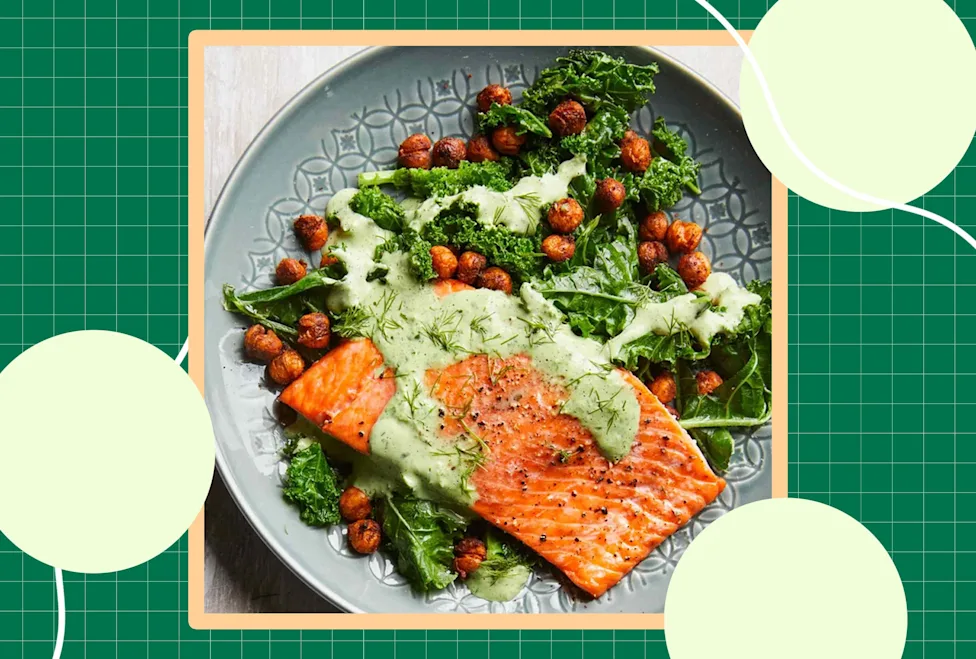
Roasted Salmon with Smoky Chickpeas and Greens provide omega-3s, fiber and vitamins.
-
Eating berries, sleeping well and limiting added sugars are key habits for long-term brain health.
The best time to start eating for your brain health is today. Diet plays an integral role in keeping your brain healthy as you age and is essential for brain-healthy habits that prevent dementia, like managing blood pressure and blood sugar. In fact, evidence suggests that the Mediterranean diet as well as its cousin, the Mediterranean-DASH Intervention for Neurodegenerative Delay (MIND) diet, are particularly brain-friendly. “The overall pattern works better than any single component, with mechanisms rooted in soothing inflammation, supporting neuronal integrity, clearing metabolic waste from the brain, and providing it with a good supply of nutrients and oxygen to function at its best,” says Maggie Moon, M.S., RD.
Advertisement
Advertisement
One Mediterranean diet dinner that includes key foods for brain health is Roasted Salmon with Smoky Chickpeas and Greens. Read on to find out why dietitians say this dinner recipe is a top pick for keeping your brain in tip-top shape.
Omega-3s & Antioxidants Help Manage Inflammation
Chronic inflammation in the brain, referred to as neuroinflammation, can lead to brain cell loss and is even associated with conditions like Alzheimer’s disease. The good news is that you can help tackle chronic inflammation by regularly incorporating anti-inflammatory foods into your diet. “Salmon is one of the best choices because it’s exceptionally high in omega-3 fatty acids, DHA and EPA, which are essential for building healthy brain cells and reducing inflammation in the brain,” says Anne Danahy, M.S., RDN.
Dark leafy greens like kale are a foundational food in the MIND diet eating pattern due to their rich content of vitamins A and C, both of which are powerful antioxidants. In fact, just one serving of this salmon and greens recipe provides more than 100% of the Daily Value for vitamin A and more than 50% DV for vitamin C. Not to mention, cooking your greens in olive oil means you’re also getting plenty of polyphenols, antioxidant plant compounds that help fight inflammation.
Contains Plenty of Fiber
Fiber doesn’t just keep your digestive system running smoothly; it’s also closely linked to your brain health. “We’re learning more about the gut-brain connection, and a high-fiber diet is one of the best ways to support a healthy gut microbiome, which in turn supports brain health,” says Molly Robinson, M.S., RD, LD.
Advertisement
Advertisement
Adding beans to your plate more often is a great way to score more fiber. The combination of chickpeas and kale in this dinner provides 6 grams, or about a quarter of your recommended daily fiber needs. Chickpeas also contain prebiotic fiber to feed the good bacteria in your gut so they go on to produce short-chain fatty acids, compounds that can help reduce inflammation.
In addition to showing your gut microbiome some love, the fiber in this dish also helps stabilize your blood sugar. “That’s important because chronically high blood sugar can damage blood vessels and impair blood flow in your brain, ultimately affecting cognitive function,” Danahy shares.
Provides Brain-Supporting Nutrients
In addition to omega-3 fatty acids and fiber, this salmon dinner actually provides an array of brain-supporting nutrients like vitamin K, folate and vitamin B12. “The kale alone checks a major box: the MIND diet recommends six servings of green leafy vegetables per week, and they’re a key source of fiber and vitamin K, two nutrients consistently linked to slowing cognitive decline,” says Robinson. Vitamin K plays an important role in arterial function, which is part of the reason it’s important for optimal brain health. Kale is a great source of this vitamin; just 1 cup provides up to four times the DV.
Your brain also relies on many B vitamins, like folate and vitamin B12, for a variety of cognitive processes. Getting enough of these vitamins is crucial because inadequate intake has been linked with greater risk of cognitive impairment. Luckily, this dinner has you covered. Salmon is a great source of vitamin B12, while the kale and beans amp up the folate content, providing 19% of the DV for folate per serving.
Other Brain-Healthy Habits
-
Eat more berries. Good news for berry lovers—these colorful fruits are great for your brain and easy to incorporate into a variety of meals. “They’re rich in flavonoids, a type of antioxidant that has been shown to slow cognitive aging and support memory,” says Robinson.
-
Establish a consistent sleep schedule. Don’t discount the brain benefits of getting adequate sleep. “Good sleep hygiene gives the brain the time it needs to do its homework and clean its room, aka process memories and flush metabolic waste that’s built up over the day,” says Moon.
-
Enjoy added sugars in moderation. Foods rich in added sugars are best enjoyed in moderation. “Excess sugar boosts inflammation throughout your body and in your brain. Studies show that high-sugar diets can negatively affect cognitive function, memory and problem-solving,” says Danahy.
Our Expert Take
A well-balanced diet, like the Mediterranean diet eating pattern, provides the nutrients needed to function optimally. One dinner that follows this eating pattern and stands out for its brain-health benefits is the Roasted Salmon with Smoky Chickpeas and Greens. This one recipe may help reduce inflammation while providing plenty of omega-3 fatty acids, fiber and a variety of brain-boosting nutrients like folate and vitamin K. Other brain-healthy habits to adopt include eating more berries, establishing a consistent sleep routine and reducing added sugar intake.
Read the original article on EatingWell
