I’m standing in my kitchen with the fridge doors wide open, looking – rather gormlessly – at what I can eat when it’s boiling outside. There’s no way I’m using the oven in this hot weather, and, to be honest, I don’t really want to be stood over a hot stove either.
‘What to eat in hot weather’ is one of those evergreen Google searches we all furiously type into our phones when the UK is graced with a rare summer heatwave. Slow-cooked meals and one-pan oven dishes are out, and crisp salads, fruit bursting with flavour, and fresh vegetables are in.
But it’s not just that certain foods seem more appealing when temperatures soar. During a heatwave, many of us find ourselves feeling less hungry altogether, picking at meals we would normally finish or skipping lunch entirely. And it turns out there’s a scientific reason for that.
Why does hot weather make you lose your appetite?
When temperatures soar, many people naturally feel less hungry (and that’s ok!). One reason for this is the thermic effect of food – the process by which the body expends energy digesting, absorbing and processing nutrients. Because eating generates heat, experts believe heavier meals can feel less appealing when the body is already working overtime to stay cool.
Scientists also believe the hypothalamus – the part of the brain involved in regulating both hunger and body temperature – plays a role.
Writing for The Conversation, Dan Baumgardt, senior lecturer in the School of Psychology and Neuroscience at the University of Bristol, explains that appetite is governed by the same brain region that helps regulate body temperature. So when there’s a heatwave, the body’s efforts to stay cool can compete with hunger signals, helping explain why eating often feels less appealing.
Dan Osman, performance nutrition specialist at Prep Kitchen, says reduced appetite is one of the most noticeable effects of a heatwave.
‘In a heatwave, I notice the same thing every year: people try to stick to their usual routines, as if nothing has changed. Hot weather brings its own challenges: you sweat more, lose more fluids, and often don’t feel as hungry,’ he says.
While eating less during hot weather is normal, your body still needs energy, protein and key nutrients to function well. But what foods are the most hydrating? And what drinks are best to have on tap during a heatwave?
What should you eat if you’re not hungry in a heatwave?
Rather than forcing yourself to eat large meals, try focusing on smaller, nutrient-dense options throughout the day. Foods that combine hydration with protein, fibre or healthy fats can help you meet your nutritional needs without feeling overly full.
Osman says that when appetite is low, it’s worth prioritising foods that both cool and hydrate the body. ‘I emphasise foods that hydrate and cool the body, while limiting foods that can leave you feeling sluggish or contribute to dehydration.’
His go-to foods? Melon because it’s ‘refreshing’ and ‘can help increase fluid intake during hot weather’, cucumber as it’s ‘very high in water, contains electrolytes, is gentle on the stomach and easy to add to meals’ and tomatoes because they’re a ‘simple way to add extra fluid to meals and snacks throughout the day, easily cut into cubes and grazed on when your appetite is lower.’

Water-rich fruits can help when food feels unappealing
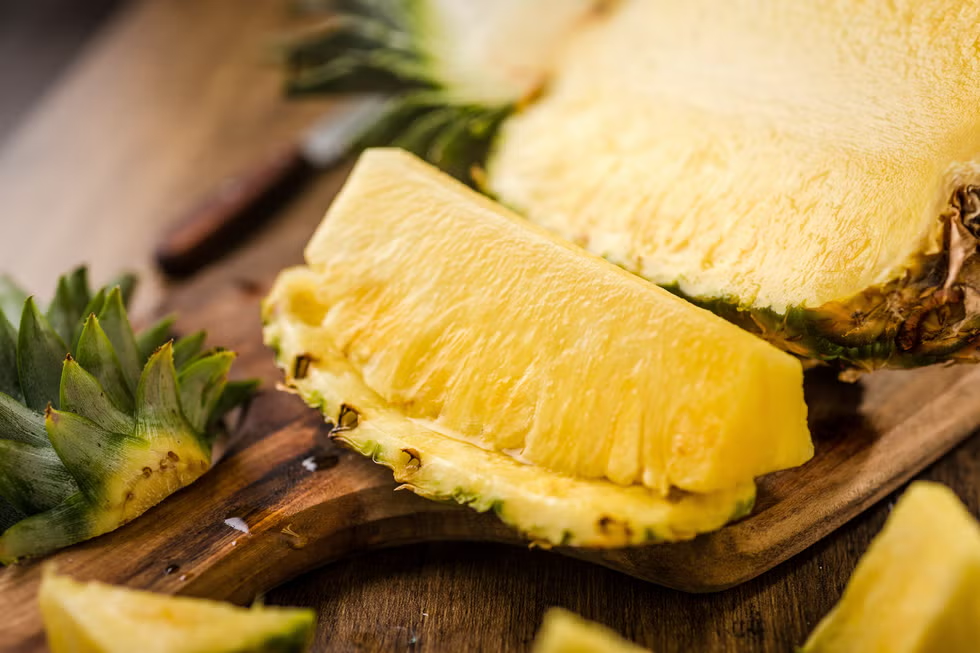
Pineapple: ‘It might not make you “feel” cool the way that mint can, but pineapple contains the super-powerful anti-inflammatory property, bromelain,’ explains Bex Prade, clinical nutritionist and functional medicine practitioner. ‘This helps your body combat the effects of heat and inflammation. This water-rich fruit also helps you stay hydrated, which can help regulate your body temperature.’
Watermelon: If your appetite has disappeared in the heat, watermelon is one of the easiest ways to top up both fluids and nutrients. Osman says watermelons are made up of ‘around 91% water’, they’re ‘rich in potassium and vitamins, and can help hydrate and cool the body’, which is particularly useful when hot weather leaves you feeling more thirsty than hungry.
Because it’s refreshing, easy to digest and naturally sweet, watermelon can also feel more appealing than heavier snacks or meals when temperatures climb during a heatwave.

Cooling herbs
Coriander: has been associated with improved digestion and heat tolerance, explains Prade.
Lemon balm: ‘A herb from the mint family is a popular choice for combating heat stress,’ she says. ‘Research indicates that lemon balm may promote relaxation and reduce anxiety, which can contribute to overall comfort in hot weather.’
Fennel: traditionally used to cool the body to aid digestion. ‘Rich in antioxidants and essential oils, fennel may help alleviate symptoms of heat-related discomfort such as bloating and indigestion,’ she adds.

Choose foods that hydrate and nourish
To avoid dehydration and the possibility of heat stroke, Prade suggests eating fruits and vegetables that are particularly hydrating, since they have a high water content and contain valuable electrolytes, which help you maintain fluid balance, keep blood pressure levels stable and help with nerve signalling.
Hydrating Fruits: Strawberries, papaya, mangoes, watermelon, honeydew, cantaloupe: These juicy fruits make great yoghurt toppings, and can be added to salads or to sparkling water for a fizzy, refreshing drink.
Hydrating Vegetables: Cucumbers, radishes, celery, zucchini, peppers: Add these crispy vegetables to your salads, or pair them with hummus for a satisfying, hydrating snack.
What should you drink if you’re not hungry?

Mint
‘Peppermint and spearmint are among the most popular cooling herbs, thanks to the presence of menthol in these plants that has a naturally chilling effect,’ explains Prade. ‘Try infusing water with mint or adding some chopped sprigs to a bright, summery salad of strawberries and nectarines. Even chewing a few mint leaves can help take the edge off of those hot summer afternoons.’

Coconut water
‘Coconut water has natural cooling properties that can help regulate body temperature and reduce heat stress,’ says Prade. ‘The electrolytes in coconut water also help the body stay hydrated on hot days. Add chunks of fruit like strawberries or pineapple to coconut water or add to smoothies. You can also use these to make non-alcoholic mocktails.’

Green tea
‘Green tea is cooling and rich in antioxidants, particularly catechins, which can help reduce body temperature and provide a cooling effect,’ she says. ‘The compounds in green tea can help regulate metabolism and reduce heat production in the body, which can make you feel cooler. To maximize the cooling effects, green tea can be enjoyed chilled with mint leaves.’

Hibiscus
Hibiscus is also valued for its cooling properties. ‘Studies suggest that consuming hibiscus tea may help regulate body temperature and promote hydration, making it a great summer drink. It tastes great chilled too,’ adds Prade.
What to avoid in hot weather?

Fizzy drinks, alcohol and caffeine
We all love a Diet Coke, a glass of ice-cold rosé and an iced latte to-go when it starts to heat up, but sadly, these are the best drinks to rehydrate with. ‘It’s important to prevent dehydration by avoiding the consumption of sugary, sweetened drinks, alcohol and caffeine,’ says Prade. ‘All of these dehydrating beverages cause increased urination and electrolyte loss.
‘And beware, although sports drinks are marketed to keep you hydrated during physical activity, many of these products contain lots of added sugars and synthetic flavourings, so opt for natural electrolytes instead.’
Fried chicken, burgers, curries and greasy takeaways
According to Osman, ultra-processed foods, including fried chicken, burgers, curries, greasy takeaways and oily snacks, can feel particularly uncomfortable when temperatures soar.
‘These digest more slowly and can raise your core temperature, leaving you feeling sluggish and uncomfortable in hot weather,’ he explains.
The bottom line
Hot weather can naturally suppress appetite, but that doesn’t mean your body needs less fuel. Prioritise hydration, opt for water-rich foods and lighter meals, and don’t worry if your eating habits look a little different until temperatures cool down.