[The content of this article has been produced by our advertising partner.]
Through its commitment to creating a green campus by cutting carbon emissions through System Optimization and producing renewable energy, Hong Kong International School (HKIS) is also giving students an in-depth understanding of real-world approaches that turn ideas into action and bring net-zero targets within reach.
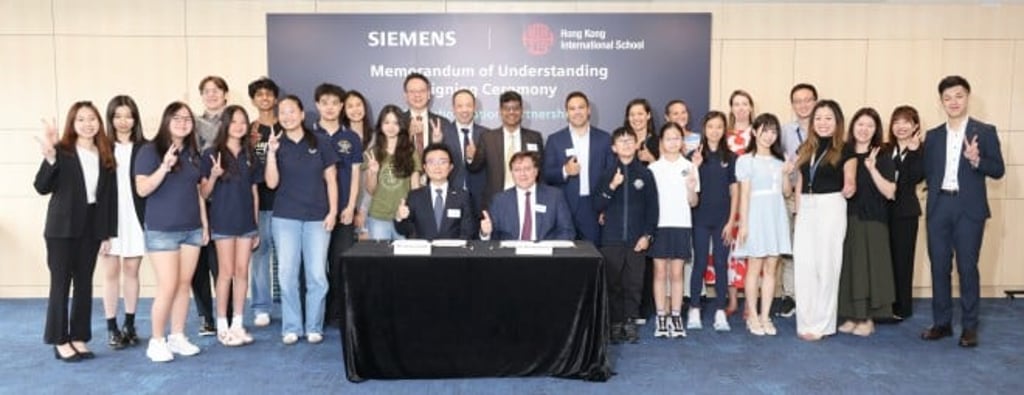
The school has long made sustainability a priority, but has now taken that further by teaming up with German multinational Siemens to implement AI-enabled smart systems, making it easier to track data, measure improvements and find new efficiencies.
Specific goals have been set, each aligned with the internationally recognised Science Based Targets initiative (SBTi), whose founding partners include the United Nations Global Compact and the World Wide Fund for Nature (WWF).
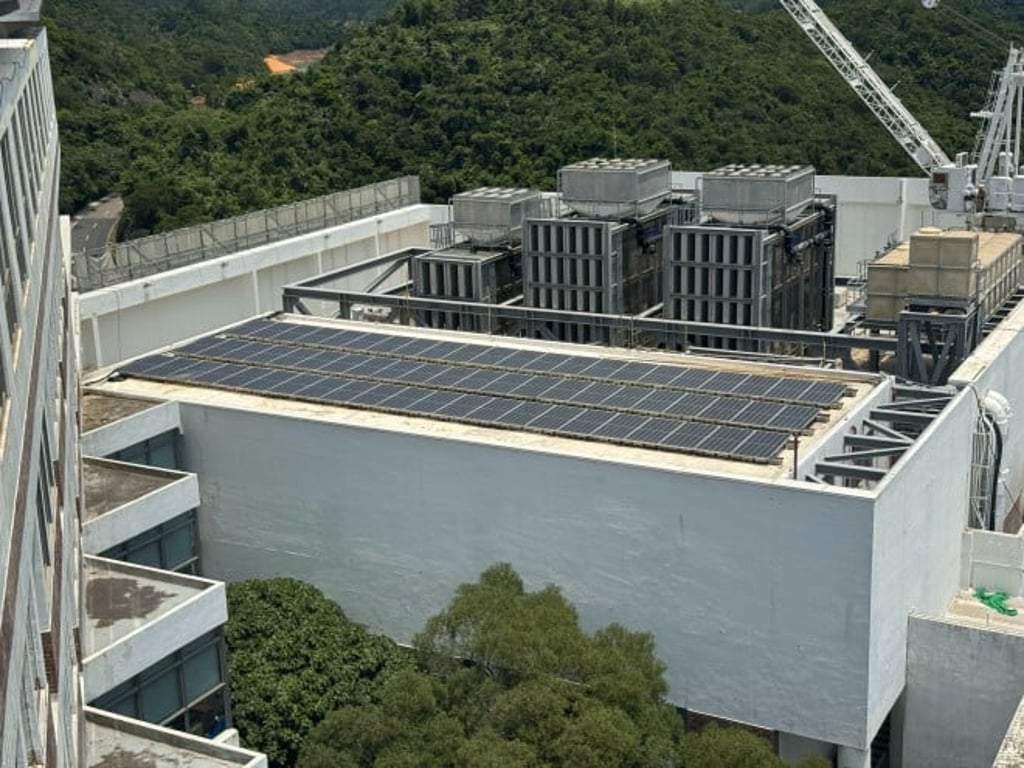
This is crucial because heating, ventilation and air conditioning (HVAC) is by far the largest consumer of energy on campus, and gains made here will have a long-lasting positive impact.
“There are a lot of exciting things going on,” says Raman Paravaikkarasu, director of facilities management and projects at HKIS, whose responsibilities include design and integration of new initiatives, adopting a 3P (production, preparation, process) approach and following best industry practice.
“The partnership with Siemens emerged because we were reaching the next stage of our sustainability journey and wanted to work with a company that shared our commitment to education and could help us meet all the criteria for retrofitting and energy optimisation solutions.”
Taking 2019 figures as a baseline, the model will record and analyse measurements of energy consumption and convert those to carbon emissions. Everything is geared to meeting progressively the near term and long term targets being set for both 2030 and 2040.
“For example, we need to strike a balance between controlling humidity, reducing the energy load, and maintaining comfort and safety for students, parents and other members of the school community,” Paravaikkarasu says. “Therefore, we are taking a multifaceted approach, are studying how best to apply AI, and can call on Siemens’ global expertise in systems, design and engineering.”
On campus, a key aspect of these developments is to make sure students can get involved every step of the way. This reflects HKIS’s belief that sustainability must be demonstrated in practice, not just taught in the classroom. And by encouraging hands-on learning via clubs and student-led activities that inspire change and champion environmental education, the school is also looking to become something of a living laboratory for every age group.
One facet of that is to make “invisible” technology visible through access to the data dashboards which are part of the new monitoring system. This ready source of technical information will help in understanding the impact of optimisation efforts in reducing energy consumption and carbon footprints.
However, it will also serve to inform class discussions on topics ranging from solar power and other renewables to global warming, biodiversity and even international policymaking.
“Students are at the forefront of what we are doing,” Paravaikkarasu says. “A critical step is being able to convert data into clear, understandable figures for every metric, so people see what they can help with and make this part of their learning projects.”
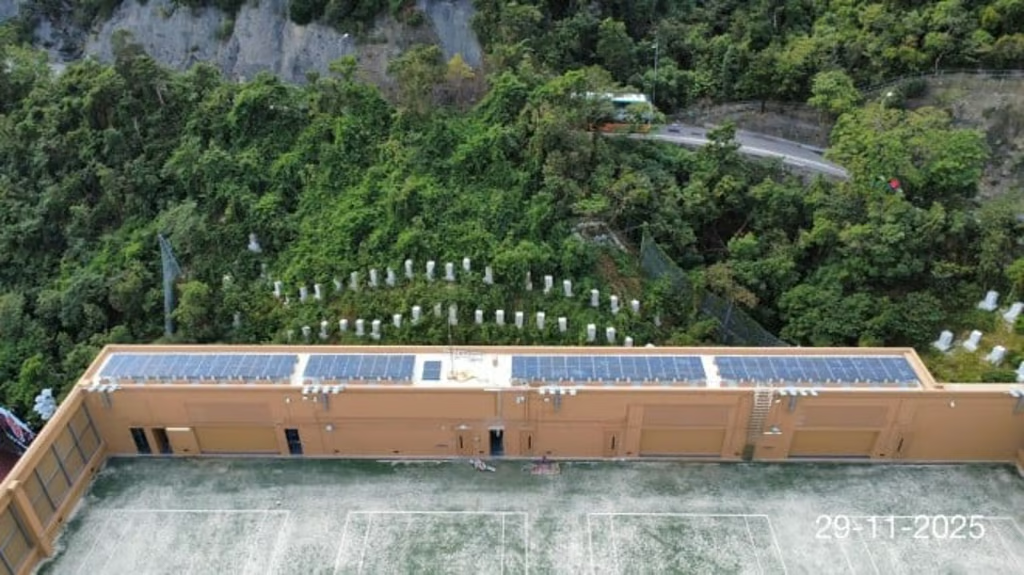
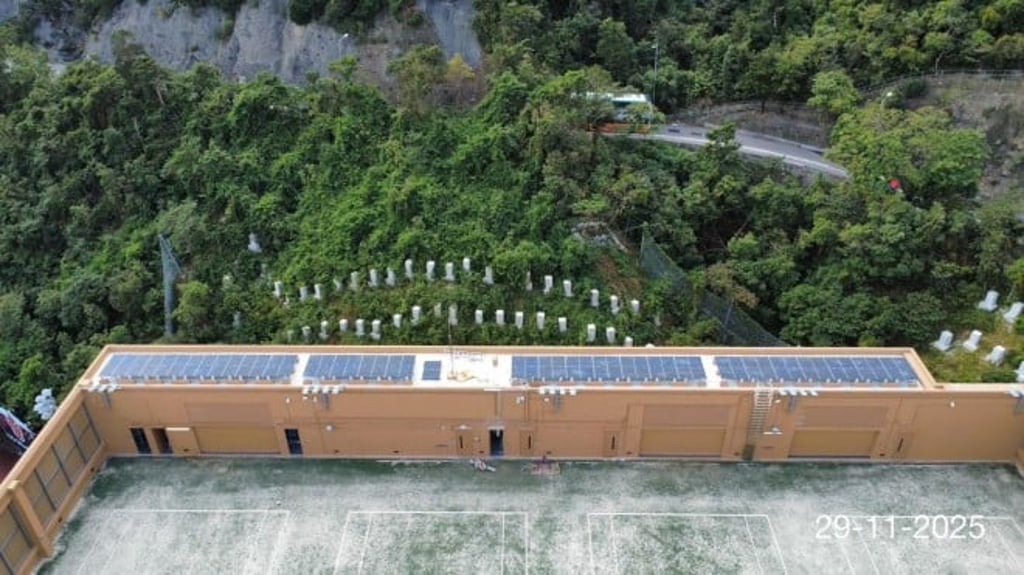
The system will show how much power is generated, the amount offset to the main grid and differences in sunlight radiation throughout the year.
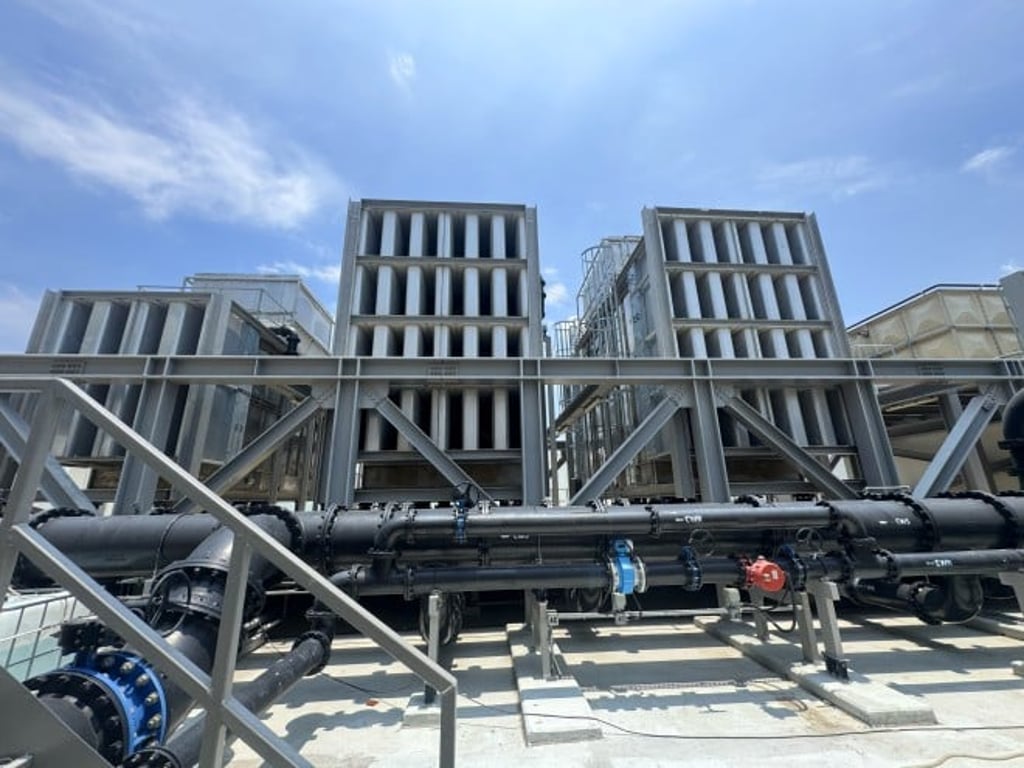
Separately, Paravaikkarasu has overseen the conversion of the central chiller plant for air conditioning to water cooling, which resulted in significant energy saving, and is keen to use AI to find further efficiencies and refinements.
Options already considered include motion sensors to switch off lights; automatically raising the ambient temperature in buildings outside school hours; and an unoccupied or sleep mode for rooms and facilities when no one is around.
“I’m always happy for students to come to me with ideas about automatisation or anything else, and I want them to communicate with each other about what’s happening,” he says. “That helps to make everything stronger, more meaningful, and ultimately adds to the school’s teaching resources.”
“We are now in a position to track performance improvements and scale initiatives,” Paravaikkarasu says. “We have a framework and other phases and metrics will follow, with the focus on what we can control and giving students guidance and tools.”

