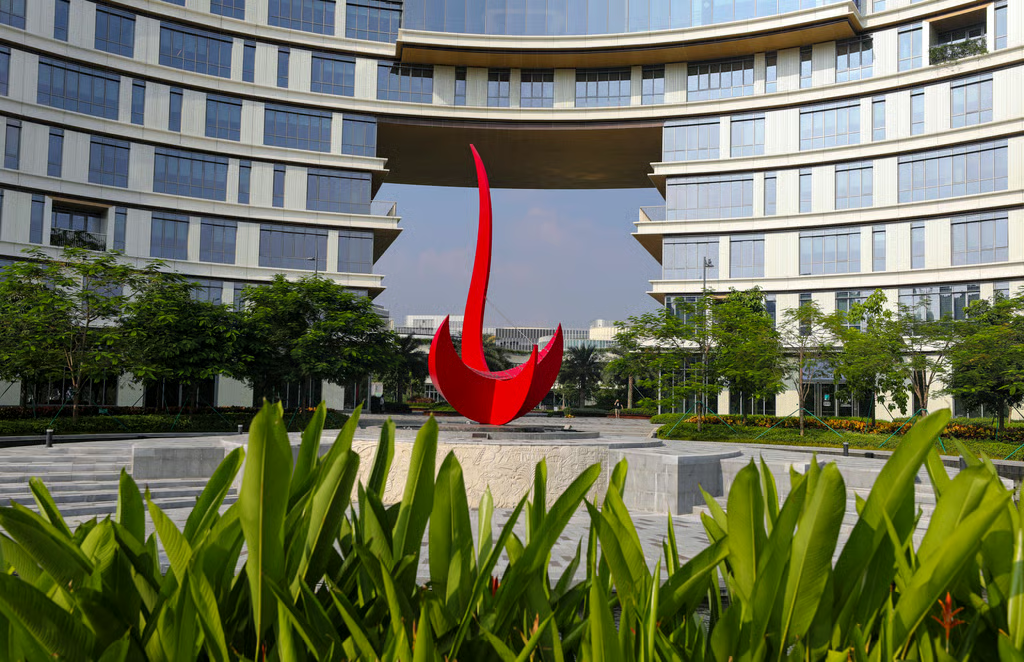

Inside a massive retail and office complex called 11 Skies next to Hong Kong International Airport, all 800 shops sit vacant and only two of 120 food outlets were open earlier this month.
Few lights were turned on, adding to the eerie atmosphere, and the handful of people present were mostly travellers trundling through the empty corridors with luggage on their way to a nearby hotel. At a coffee shop catering mainly to office workers, business was slow.
The Airport Authority, which is now managing the project, is taking the lead in reconfiguring the retail space into dining and entertainment venues and believes the most opportune time for opening will be from 2028 onwards.
Uncertainty surrounding 11 Skies, the ongoing Middle East war and visitors’ changing consumption and travel patterns have created headwinds for the airport’s HK$141.5 billion (US$18 billion) three-runway system project.
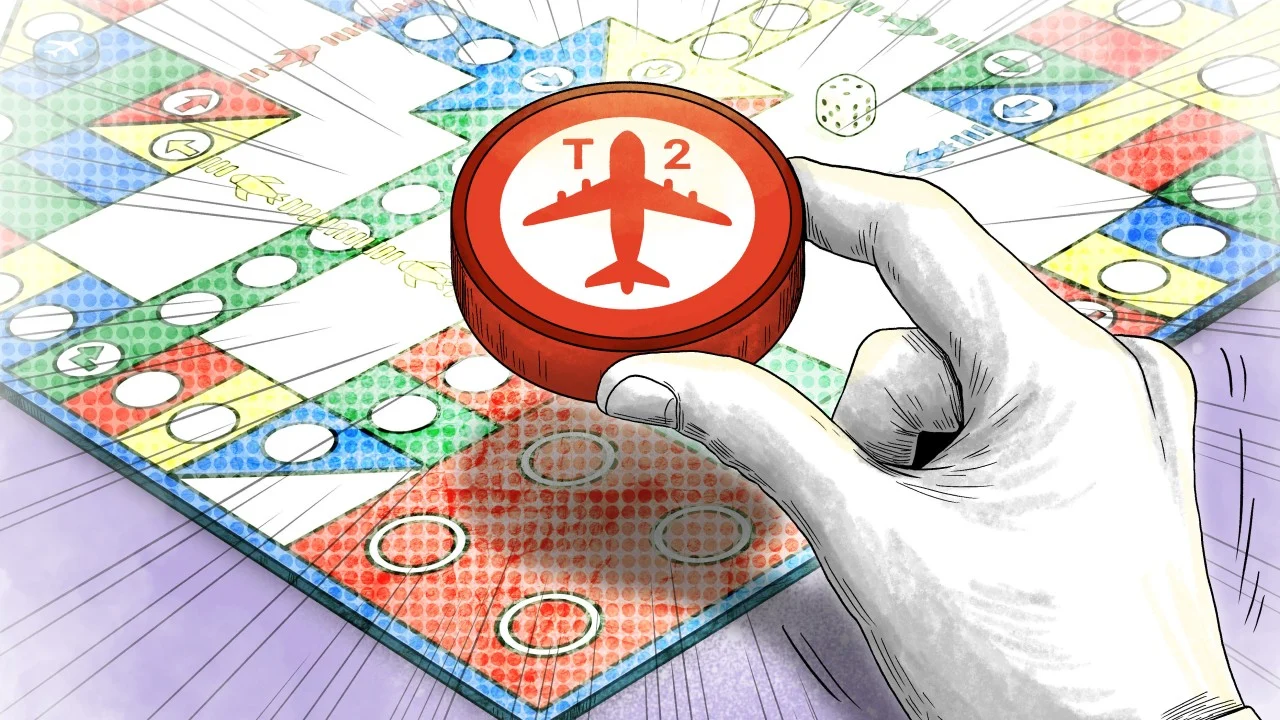
Against that backdrop, the authority will reopen the airport’s expanded Terminal 2 on Wednesday as part of efforts to raise its game and strengthen Hong Kong’s position as a global aviation hub. But with competition mounting among regional aviation rivals, will the authority’s strategy pay off and can 11 Skies be put to good use?
Lawmaker Mark Chong Ho-fung said the terminal would give Hong Kong’s standing as an international aviation centre a shot in the arm despite the challenges.