[The content of this article has been produced by our advertising partner.]
At Yew Chung International School of Hong Kong (YCIS HK), a university offer is not a finish line but the first step in a life of service. The Class of 2026 demonstrates this belief: as of mid-April, graduates have secured places at Oxford (Law), Cambridge (Geography), Harvard (Environmental Science & Engineering), Stanford (Economics and Environmental Systems Engineering), Peking University (Law), Tsinghua University (Aeronautical and Astronautical) and many other world-class institutions.
These headline offers are part of a wider achievement (as at 16 April) that includes 124 acceptances from Hong Kong’s three flagship universities — the University of Hong Kong, The Chinese University of Hong Kong and The Hong Kong University of Science and Technology — along with 23 places in Medicine and Biomedical Sciences and 129 offers from research intensive Russell Group universities in the United Kingdom.
As the 2026 global university admission season continues, students across the wider Yew Chung Yew Wah Education Network (YCYW), of which YCIS HK is a part, have already received more than 900 offers from leading universities such as Harvard University, Stanford University, the University of Oxford, the University of Cambridge, Imperial College London, Tsinghua University, Peking University, the University of Hong Kong, KAIST and Parsons School of Design.
Behind each offer is a journey shaped by rigorous academics, global awareness and compassionate action. Three YCIS Hong Kong graduates — Fiona Fan, Amos Cheng and Hilary Leung — show how these elements combine to create lives of purpose.
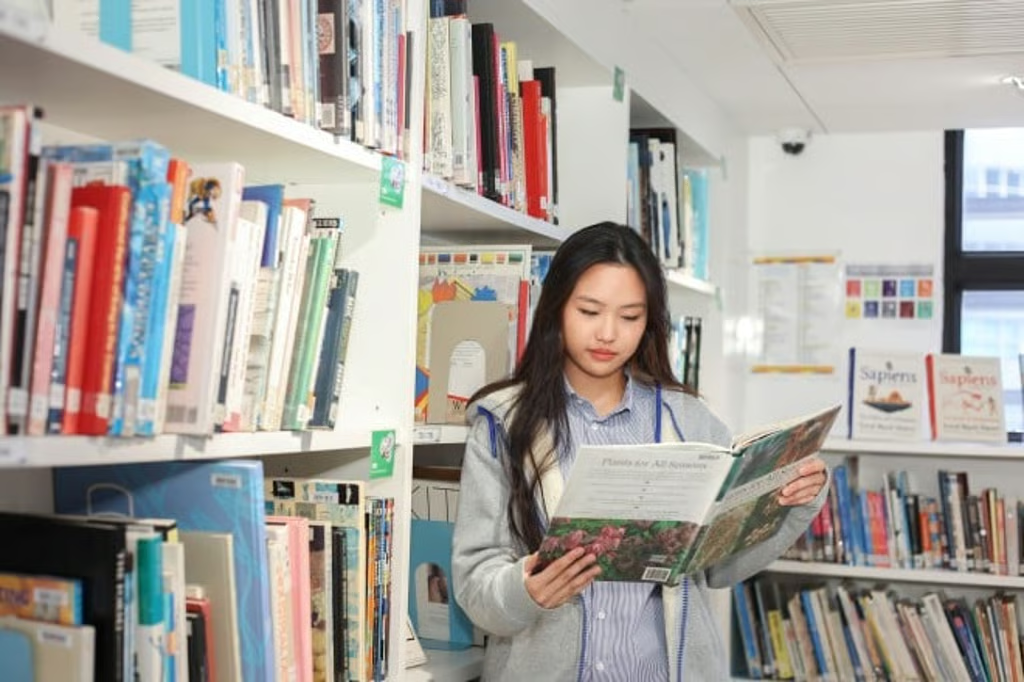
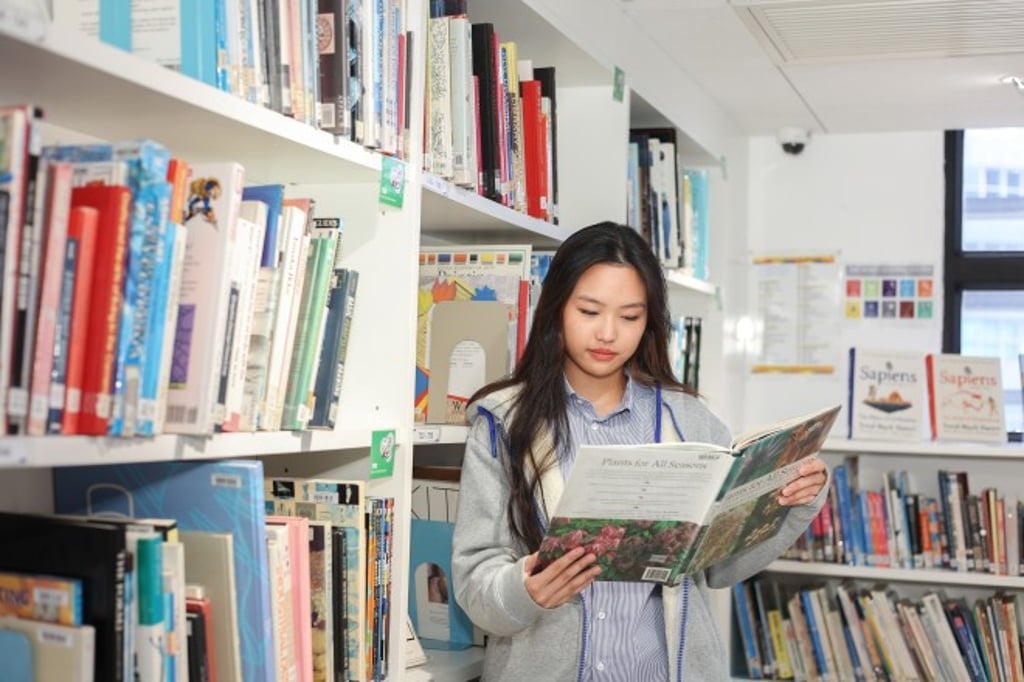
Fiona Fan’s dual passion for sustainability and data science earned her places at Cambridge for Geography, Stanford for Economics and UC Berkeley for Environmental Sciences. She began at YCIS Beijing in primary school before moving to Hong Kong and credits “meaningful extracurricular engagement” for sharpening her thinking. Years driving the campus greening project and leading climate initiatives turned classroom theories into real-world solutions and cultivated a systems-thinking mindset.
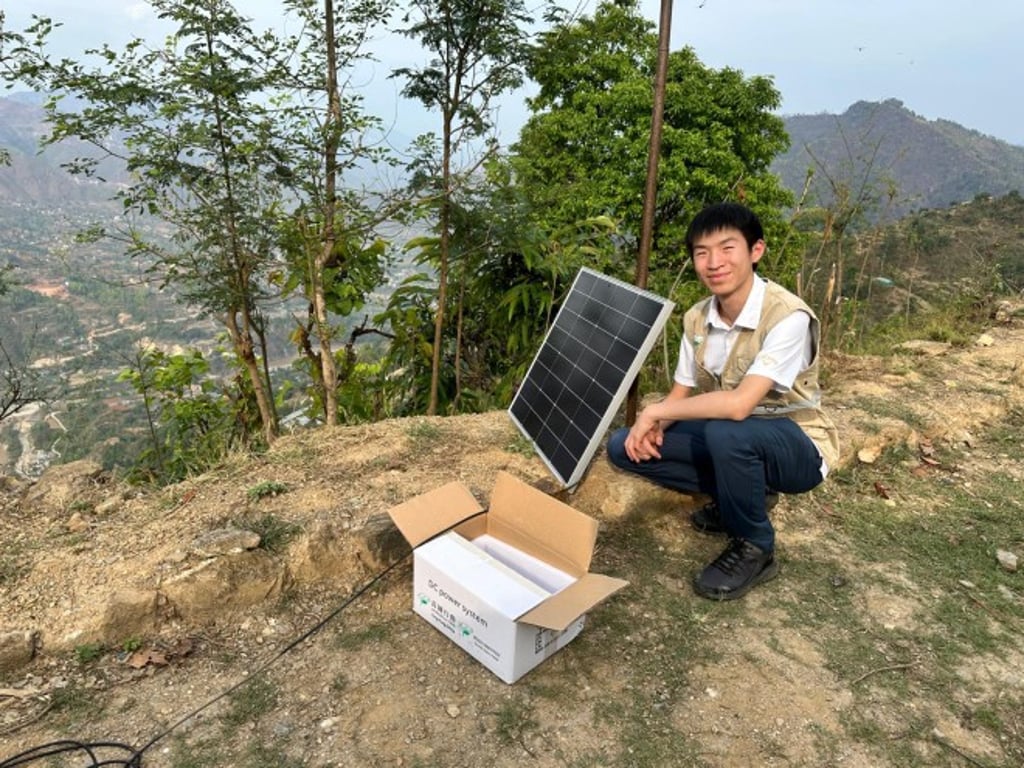
Amos Cheng, who enrolled in YCIS’s Infant & Toddler Learning Programme at six months old, embodies the through-train pathway that carries learners to Year 13. With offers from Harvard, Stanford, UCLA and Imperial, he stands at the intersection of science and service. Amos founded Eco Humanitarian Advocates and organised trips to rural Yunnan and Nepal to install solar-powered lighting systems.
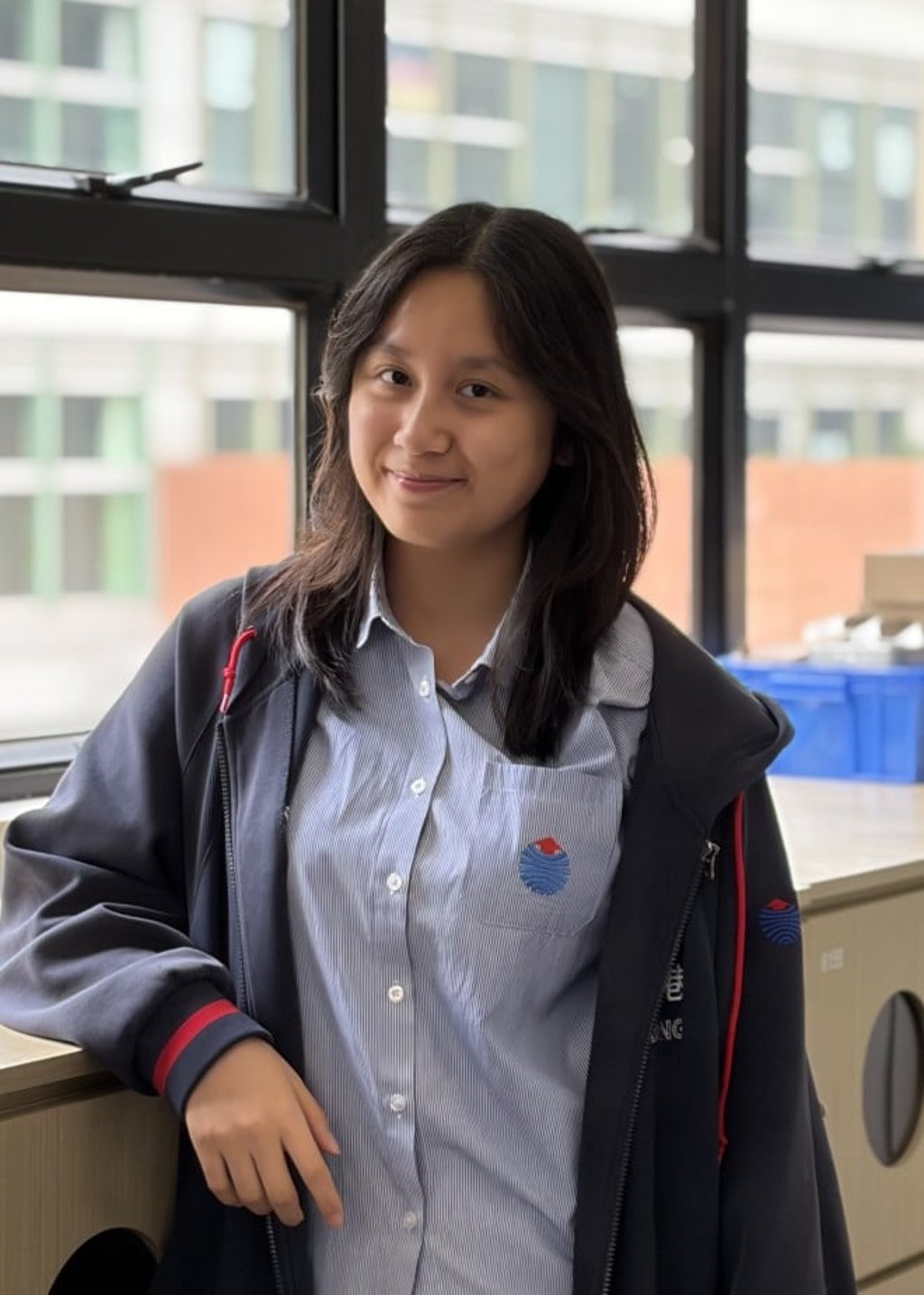
Hilary Leung’s story highlights YCIS support for highly specialised fields. After transferring from a local curriculum to YCIS, she secured a coveted place at the Royal Veterinary College (RVC), one of the world’s top veterinary schools. Her passion for animal welfare began with volunteering at a dog shelter and Kadoorie Farm, where she saw urgent unmet needs. “I can’t imagine being anything other than a veterinarian,” she says. Hilary plans to specialise in emergency and critical care and praises her teachers for creating “an encouraging, open environment that helped me reach the grades such a demanding field requires.”
YCIS bridges classroom learning with authentic application through “Seeds for Tomorrow”, an initiative that partners with leading universities and Fortune 500 companies to give students a researcher’s-eye view of professional life. Participants rotate through a medical immersion programme at Raffles Hospital, collaborative engineering projects with CERN and a residential research stint at the Oxford Suzhou Centre for Advanced Research (OSCAR), Oxford University’s first engineering and physical sciences institute outside the United Kingdom. At OSCAR, students join Oxford scientists in state-of-the-art labs to explore optoelectronics, machine learning and regenerative medicine — opportunities normally reserved for postgraduates. “These programmes open a window into the life of a researcher,” explains initiative lead Dr Christopher Hurley. “Students learn to network with experts and draft publishable papers, igniting a passion for learning that crosses disciplines.”
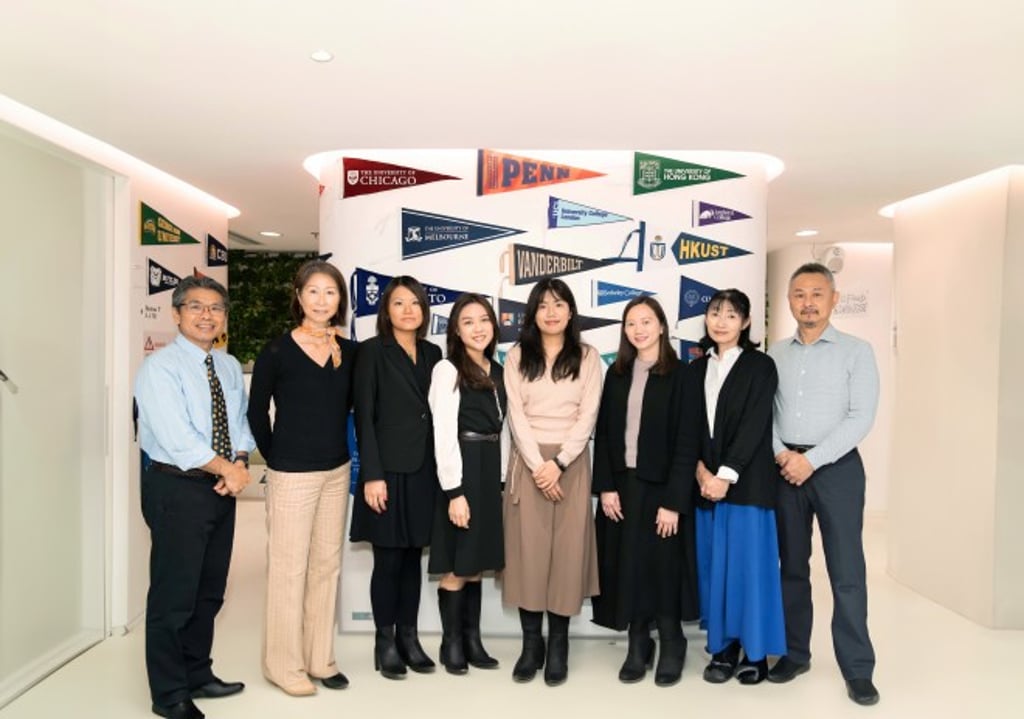
Guidance for life after graduation begins early. The Careers and University Guidance Office (CUGO) works with students from Year 7 onward, helping them align subject choices with emerging interests. By Year 12 the focus shifts to one-to-one counselling on course selection, essay strategy and interview preparation. “We observe students in lessons and activities so our recommendations are truly personal,” notes counsellor Grace Poling. “Authentic insight makes applications stronger.” For Hilary, that insight proved decisive. “Ms Poling’s feedback transformed my personal statements and helped me gain places at RVC summer school and other competitive programmes,” she says. The same tailored approach guides musicians heading to conservatoires, coders targeting MIT or designers applying to RISD and Parsons. In the face of the increasingly complex global admissions landscape, the YCYW CUGO has become a vital bridge helping students reach their dream universities. With 32 university counsellors across the network and a counsellor-to-student ratio of 1:12, CUGO is able to offer highly personalised and targeted guidance, ensuring that all students receive advice tailored to their strengths, aspirations, and individual pathways.
Whether they started as infants like Amos, transferred within YCIS like Fiona, or joined later like Hilary, YCIS students benefit from a coherent, values-driven pathway that prizes academic rigour, global citizenship, and compassionate action in equal measure. Fiona and Amos will soon join the Stanford community, while Hilary prepares to serve animals in need at RVC. Their stories affirm the YCIS conviction that education’s highest purpose is not merely to open doors to prestigious universities, but to equip young people to shape a better future — with knowledge in their minds and compassion in their hearts.