Published on
February 28, 2026

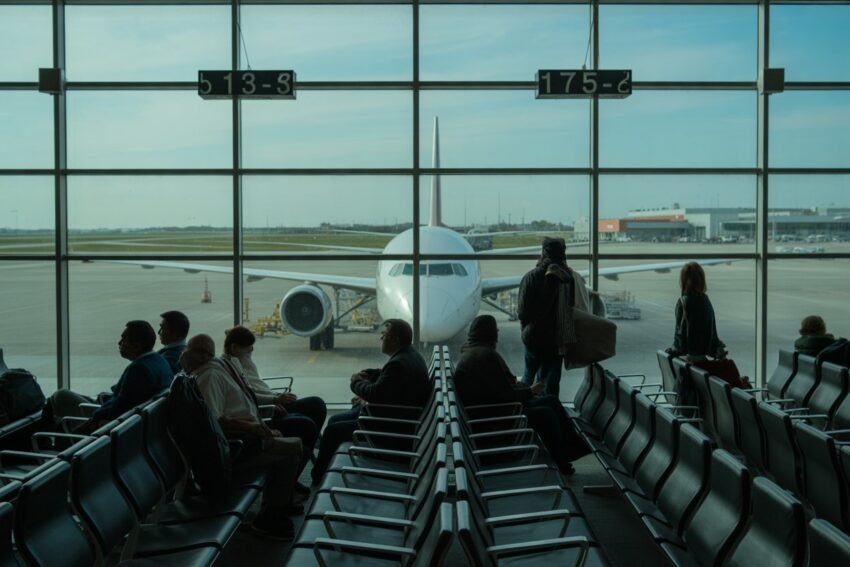
Image generated with Ai
China’s aviation sector is experiencing notable turbulence this weekend, with multiple airlines canceling flights across several major airports. Travelers and industry observers are facing disruptions that affect both domestic and international travel, highlighting operational challenges across the country’s busiest hubs. A total of 14 flights have been canceled, affecting destinations including Hangzhou, Nanjing, Qingdao, Xiamen, Daocheng, Dehong, Nanping, Tel Aviv, and Doha.
Key Airports Hit by Flight Disruptions
| Airport | Flight | Aircraft | Destination | Departure |
|---|---|---|---|---|
| Beijing Capital International Airport [ZBAA] | CCA1716 | A321 | Hangzhou Xiaoshan International | Sat 01:30 PM CST |
| Beijing Capital International Airport [ZBAA] | CCA1704 | A21N | Hangzhou Xiaoshan International | Fri 07:30 AM CST |
| Beijing Daxing International Airport [ZBAD] | CXA845 | B789 | Hamad International, Doha | Sat 06:15 PM CST |
| Guangzhou Baiyun International Airport [ZGGG] | CDG4674 | B738 | Nanping Wuyishan | Sat 12:50 PM CST |
| Chengdu Tianfu International Airport [ZUTF] | CCA2623 | A20N | Nanjing Lukou International | Sun 09:45 AM CST |
| Chengdu Tianfu International Airport [ZUTF] | CSC6693 | A319 | Daocheng Yading | Sat 08:45 AM CST |
| Shenzhen Bao’an International Airport [ZGSZ] | CHH743 | 787 | Ben Gurion International, Tel Aviv | Sun 03:20 AM CST |
| Shanghai Hongqiao International Airport [ZSSS] | CXA8512 | B38M | Xiamen Gaoqi International | Sat 12:10 PM CST |
| Chongqing Jiangbei International Airport [ZUCK] | KNA3110 | B737 | Dehong Mangshi Airport | Sat 08:35 PM CST |
| Hangzhou Xiaoshan International Airport [ZSHC] | CES2382 | A321 | Qingdao Jiaodong International | Sun 10:10 PM CST |
| Hangzhou Xiaoshan International Airport [ZSHC] | CCA1707 | A321 | Beijing Capital International | Sat 10:00 AM CST |
Understanding the Scope of China Flight Cancellations
The cancellations stretch across both domestic and international routes, creating a ripple effect on the country’s aviation network. Travelers in China are experiencing:
- Beijing flight disruptions affecting connections between the capital and key domestic destinations like Hangzhou
- Shanghai airport delays interrupting the flow of passengers to major hubs such as Xiamen
- Guangzhou flight cancellations impacting routes in Guangdong, including travel to Nanping Wuyishan
- Chengdu flights affected, which cause challenges for passengers traveling to Nanjing and Daocheng Yading
- Shenzhen cancellations impacting international travelers flying to Tel Aviv
These disruptions suggest logistical and operational pressures at multiple airports, potentially stemming from scheduling conflicts, aircraft maintenance needs, or staffing constraints.
How Travelers Are Affected
Passengers at the impacted airports face several challenges:
Advertisement
Advertisement
- Missed connections due to last-minute cancellations
- Delays in international travel plans, particularly for flights departing from Beijing and Shenzhen
- Difficulty in rebooking flights on short notice, especially during peak travel periods
- Increased congestion at airport terminals as travelers seek alternatives
The combination of domestic and international flight cancellations emphasizes the broad scale of this weekend’s disruptions. While some passengers are only affected locally, others may encounter complications for onward travel across multiple cities or countries.
Insights for Airline Operations
From an operational perspective, the cancellations highlight several key trends:
Advertisement
Advertisement
- High-density airports like Beijing Capital and Daxing are particularly vulnerable to cascading disruptions
- International routes, such as Beijing to Doha and Shenzhen to Tel Aviv, are more susceptible to ripple effects when domestic schedules are delayed
- Regional airports like Hangzhou, Chengdu, and Chongqing are critical nodes for domestic connectivity, and their cancellations can significantly disrupt travel within China
These insights are crucial for airline planning and resource allocation, particularly when managing peak traffic periods or responding to unexpected operational challenges.
Recommendations for Travelers
For passengers navigating these disruptions, it is advisable to:
- Monitor airline updates frequently and check for notifications about rescheduled flights
- Consider alternative airports or routes if flexibility permits
- Allocate extra time for airport processing, especially when rerouting or rebooking
- Prepare contingency plans for connecting flights, hotel stays, or ground transportation
By staying informed and proactive, travelers can mitigate the impact of China flight cancellations and reduce travel stress.
Looking Ahead
While this weekend’s disruptions represent a temporary setback, they provide insight into systemic pressures within China’s aviation network. Airlines and airports will likely review scheduling practices, maintenance planning, and staffing allocations to prevent future interruptions.
For travelers, awareness and preparation are key. Understanding which airports and routes are most affected—such as Beijing, Shanghai, Guangzhou, Chengdu, and Shenzhen—can help plan trips more effectively and reduce the likelihood of missed flights.
In summary, China flight cancellations across major hubs highlight both operational challenges and the need for travelers to remain vigilant. From domestic flights connecting major cities to international departures, these disruptions underscore the importance of planning and adaptability in today’s complex aviation environment.