One of the most exciting uses of the blockchain is the tokenisation of real world assets – the ability to represent traditional financial assets as digital units. In theory, you can tokenise anything: funds, stocks, bonds, commodities, real estate, private equity – even artworks.
There are a number of compelling advantages to doing so, especially as institutions are already seeing benefits all the way up to the retail level. China Asset Management (Hong Kong), for instance, launched digital funds in US$, HK$ and RMB this year, for which you can buy units in tokens via certified distributors, speeding up the trading of assets.
This speedier approach makes traditionally illiquid assets easily tradeable. That, in turn, allows assets to be more readily fractionalised, which allows investors to access ventures, such as a real estate project, in a way that they couldn’t previously.
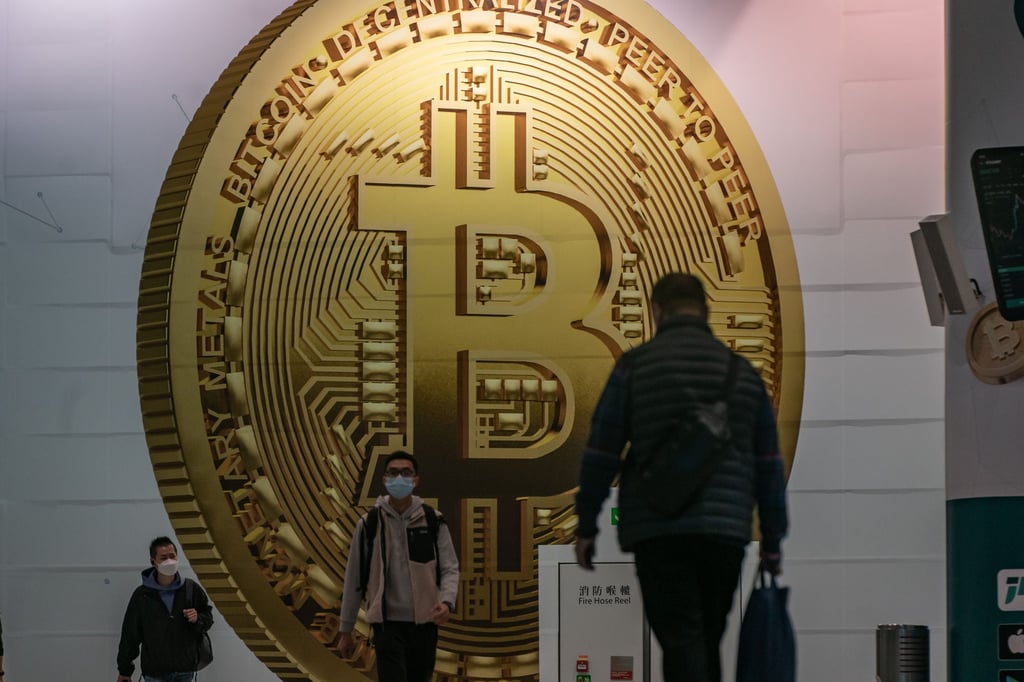
“A key benefit of tokenisation is about transferring underlying assets in fractions – say real estate or a very expensive art piece,” says Pinky Siu, a partner at law firm Deacons. “Usually, the secondary market is illiquid – so you have things like auction houses and high transaction fees. Tokenisation provides a lower point of entry.”
There are other positives, says Professor Yang Chen from the Department of Systems Engineering and Engineering Management at the Chinese University of Hong Kong (CUHK). “Tokenisation enables near-instantaneous settlement, which may reduce operational costs and counterparty risk. Moreover, the immutability of blockchain technology can help improve the transparency of transactions.”
There’s even the tantalising prospect that tokenisation could one day unify investment on a single ledger. In marked contrast with almost every other aspect of modern life, many assets are still traded on a plethora of different platforms which were developed in the 1970s, don’t talk to each other and have remained essentially unchanged for decades. The public blockchain, by contrast, is inherently interoperable and largely frictionless.
Usually, the secondary market is illiquid … Tokenisation provides a lower point of entry
Given that potential, regulators such as Hong Kong’s Securities and Futures Commission (SFC) are hard at work trying to expand the scope of real-world asset tokenisation in various jurisdictions. The SFC has chosen to work on the basis that if the underlying asset needs to be regulated, so does the token.
Kristi Swartz, a partner at law firm DLA Piper that owns the digital asset creation platform Scintilla, agrees with the SFC’s approach: “I would say the regulatory regime in Hong Kong is relatively clear compared to other major jurisdictions, as evidenced by the circulars and guidance issued by the SFC on the regulation of tokenised securities and funds, and tokenisation-related pilot projects supervised by the HKMA [Hong Kong Monetary Authority], such as Project Ensemble.”
Regulations that open up the possibility of secondary market trading, says Siu, will be key to the success of real-world asset tokenisation. “At this stage, I don’t see why it’s attractive to hold, for example, tokenised fund units. The token is just like a trophy – an on-chain record of ownership. But the SFC is looking into secondary market trading, so you can then transfer them to someone else.”
This is when things get interesting, says Siu. Make stablecoins – cryptocurrencies tied to, in most cases, a traditional fiat currency – available, and they can be used in lieu of that fiat currency for payment. And at that point, “Whoever has those tokenised assets can be a first mover.”
Professor You Yang of Hong Kong University Business School (HKU) says that compared to some other financial centres like Dubai, Hong Kong makes the maintenance of financial stability a relatively higher regulatory priority than being as crypto-friendly as possible.
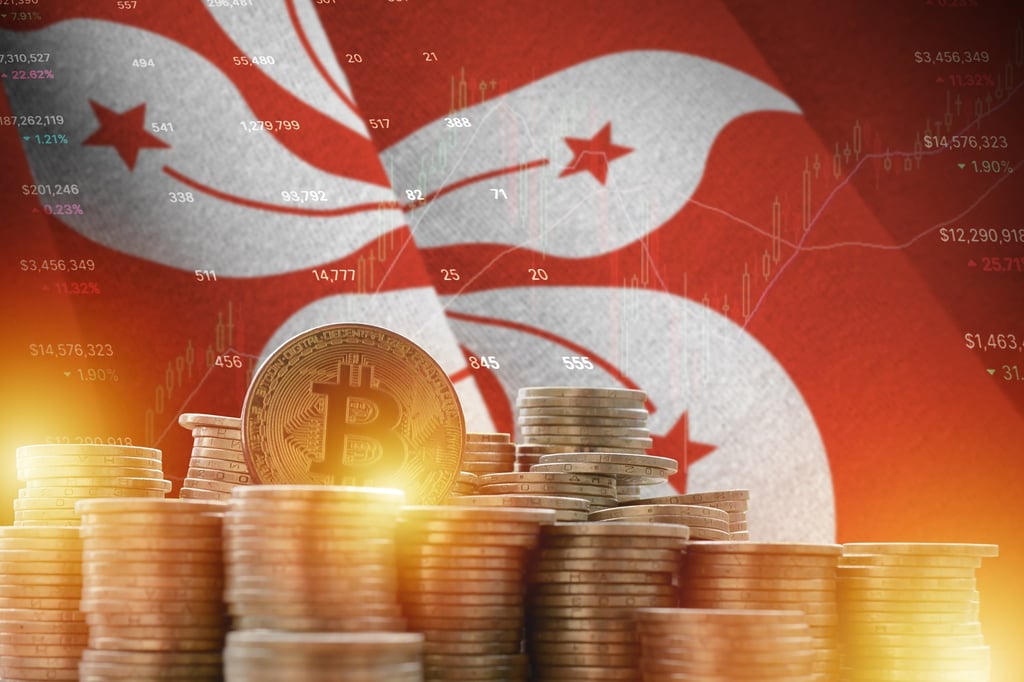
“I can clearly see there’s a huge demand. But there have been tons of battles, for example over whether you can have a bitcoin ETF. Getting approval took a lot of effort,” he says.
Regulation is at once a method to maintain and manage the impacts of tokenisation as much as a way to rein in recent optimism around the initiative. In October, Beijing asked Hong Kong to slow down its stablecoin initiatives pending further instructions, over concerns on capital control and market overheating.
Professor You adds that there are compliance implications for financial institutions – know-your-customer and anti-money-laundering regulations being particularly hard to enforce on the blockchain. “The public blockchain is global. The main issue is how regulators handle these types of anonymous, permissionless transfers of value across the globe. If you put these kinds of digital representations on the public blockchain, they might reach people you don’t want them to.”
For the time being, says Siu, the extent of tokenisation in Hong Kong remains limited. “It’s currently been adopted mainly in the tokenisation of financial products – deposits, bonds, funds. With financial products, it’s easier to establish ownership between on-chain and off-chain.”
The main buyers of those products, says Professor Yang of CUHK, have been institutional investors and high-net-worth investors. He adds that they are mainly traded on specialised digital asset platforms and cryptocurrency exchanges. While the adoption of real-world asset tokenisation has grown rapidly over the past few years, “it still remains a tiny fraction of traditional finance. It has the potential to reach a size comparable to that of the traditional financial market. However, it may take decades of development to get to such a level, especially for illiquid asset classes”.
For HKU’s Professor You, numerous questions still need to be answered before we can declare this brave new world of tokenisation a success story.
“The main issue is: what’s the value of tokenisation?” he says. “Can we really see the gain and find new clients? All practitioners are enthusiastic, but there’s no answer to the question of which assets deserve to be tokenised, and whether it’s economically and regulatorily viable.”