If you’re trying to cut down on dietary cholesterol, your first thought might be to skip the full-fat butter, swap out fatty cuts of meat, or dial back on the hard cheese.
What you probably wouldn’t expect to land on the breakfast table? A steaming bowl of salty soup.
TikTok and Instagram users may have spotted people slurping on bowls of comforting miso broth before drinking their morning coffee, hailing it as the ultimate health-boosting way to start the day.
A staple of the Blue Zone diet, the nutrition approach that adopts the eating habits of people living in regions around the world that live exceptionally long lives, the dietary hack has racked up thousands of views on social media, with users claiming it leaves them feeling energised and balanced.
So, should you really be swapping your Weetabix for a savoury bowl of soup, or is this just another social media fad?
We asked a nutritionist to break down the facts.
What exactly is miso soup?
Studies have linked miso soup to a wealth of health benefits. (Getty Images)
Salty and savoury in flavour, miso soup is a traditional Japanese dish consisting of miso, a thick paste made by fermenting soybeans, which is then stirred into a traditional stock called ‘dashi’.
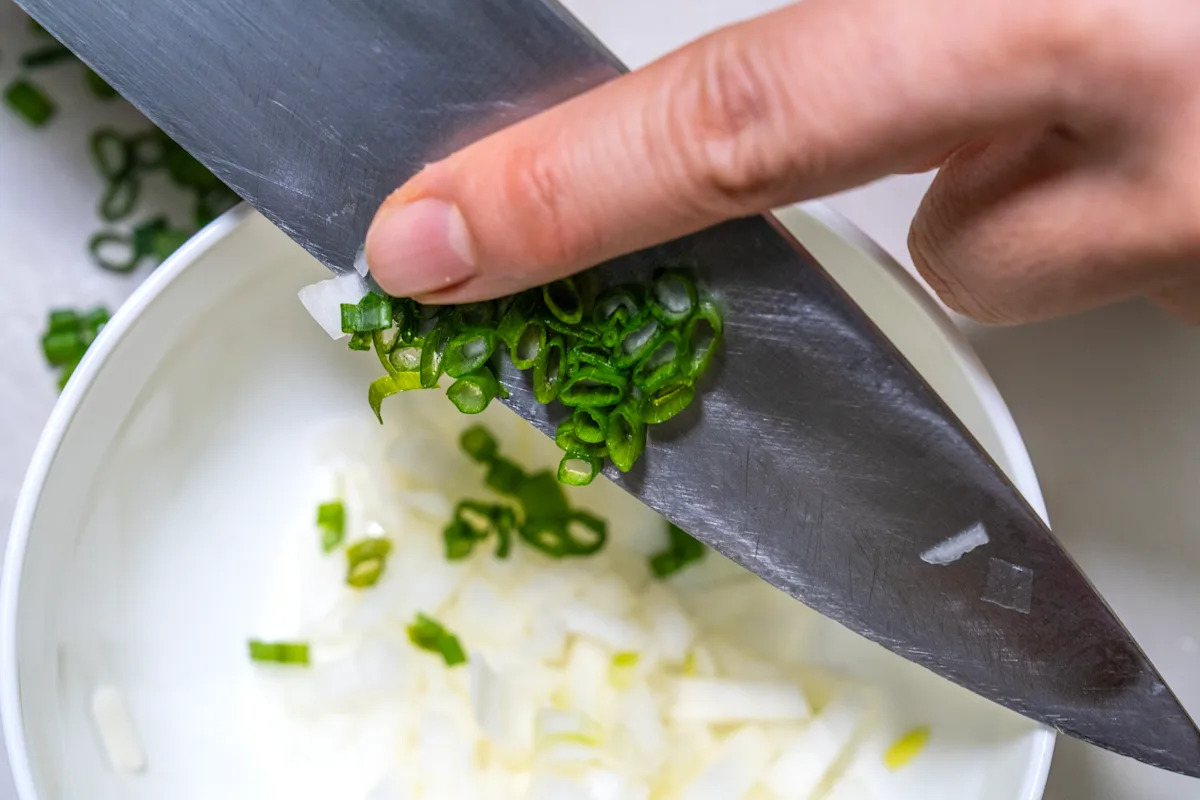
Miso soup can be prepared in several ways, depending on the chef and the style of soup, but ingredients like cubed tofu, ribbons of seaweed and sliced spring onions are often added to the liquid base for extra texture and flavour.
Dating back thousands of years, the history of miso soup isn’t entirely clear, but some historians theorise that Buddhist priests introduced the dish to Japan as far back as the 7th century CE.
Usually served piping hot, it remains a staple of Asian cuisine and has been linked to a number of supposed health benefits over the years.
What does science say about miso soup?
Miso soup might not be as convenient as a grab-and-go bagel or muffin, but there’s some encouraging evidence to suggest we should be making time to tuck into a bowl at breakfast.
It could help reduce your blood pressure and heart rate
While high salt diets are well known to be associated with increased blood pressure, one 2020 review found that ingredients in miso appear to dampen sympathetic nervous system activity, leading to reductions in both blood pressure and heart rate.
Researchers think this is because fermentation changes how the sodium interacts in the body – the peptides and bioactive compounds in miso may actually blunt the blood pressure-raising effect of salt, although more research needs to be carried out.
It could help regulate your energy levels
Other studies suggest that miso soup may play a role in supporting blood sugar management, helping to balance energy levels. In fact, a 2021 study found that women with type 2 diabetes who drank miso soup daily had lower HbA1c levels – a marker of average blood sugar control over two to three months – compared to those who didn’t.
Plus, it’s linked to a wealth of health benefits
More broadly, research into fermented soy foods like miso has linked these products to a range of potential benefits, including antidiabetic, antioxidant, anti-obesity and anti-inflammatory effects.
And as miso is a fermented food, it’s also naturally probiotic – meaning it feeds the good bacteria in our gut microbiome. According to emerging research into the impact of the gut on our health, this could provide health benefits throughout the body, including better immunity, skin and mental health.
Fresh miso soup often contains chopped spring onions and tofu cubes. (Getty Images)
What does a nutritionist say about miso soup?
“Swapping out sugary breakfast cereals for something savoury, light and nutrient-rich can be a good option for many people,” says nutritionist Rob Hobson, author of the cookbook Unprocess Your Life.
“Miso soup won’t provide the fibre we need from wholegrains, but it’s low in sugar and provides hydration first thing in the morning, and you can always add vegetables and protein into the mix.
“In Japan, it’s often part of a breakfast spread that includes rice, fish, and vegetables – a combination that supports stable blood sugar and longer-lasting energy compared to the refined carbohydrate-heavy breakfasts of the west,” he adds.
He also notes that miso soup contains small amounts of protein, B vitamins and minerals like manganese, copper and zinc, and because it’s often made with seaweed, tofu and vegetables, it can provide iodine and phytonutrients that support thyroid function and antioxidant defences.
“Finally, it’s also a rich source of isoflavones,” Hobson adds, “plant compounds linked to potential benefits for bone health and menopausal symptoms.”
Is eating miso soup daily safe for everyone?
Not exactly.
“Miso is naturally high in sodium (there’s about 600 to 700mg per tablespoon), so the overall health impact depends on your total daily salt intake and the rest of your diet,” Hobson comments.
“Some research suggests the fermentation process in miso may offset some of the blood pressure-raising effects of salt, which is why in Japan, higher miso consumption hasn’t always been linked to hypertension in the same way as other salty foods,” he explains.
However, if you have high blood pressure or are monitoring sodium, he recommends making a lighter broth using less miso paste, and choosing a reduced-salt variety.
“Pack the soup with vegetables to balance things out,” he suggests, stressing that anyone with advanced hypertension, kidney issues or heart failure should probably skip this trend for safety reasons.
Another big consideration is the level of prep involved. Creating a soup from scratch every day isn’t exactly practical for most people, although Hobson assures that you can batch cook and store miso soup for several days at a time, if you’re keen to jump on the bandwagon.
“You can make a simple base broth with miso and vegetable stock then keep it in the fridge for up to three days,” he notes. “Add any other ingredients like fresh greens, tofu or seaweed just before reheating so they retain their colour and vibrancy.”
One important caveat to his advice? “I wouldn’t freeze miso soup,” he warns, “as the texture and flavour can change. However, you could freeze portions of homemade vegetable stock and stir in the fresh miso paste during reheating to save time.”
Read more on nutrition:

