Imagine a decade ago, your smartphone’s brain was stamped “Made in Taiwan” or “Designed in California.” Now, China’s tech giants are quietly rewriting that script, proving that innovation can flourish even under restrictive conditions.
The embargo that sparked the offensive
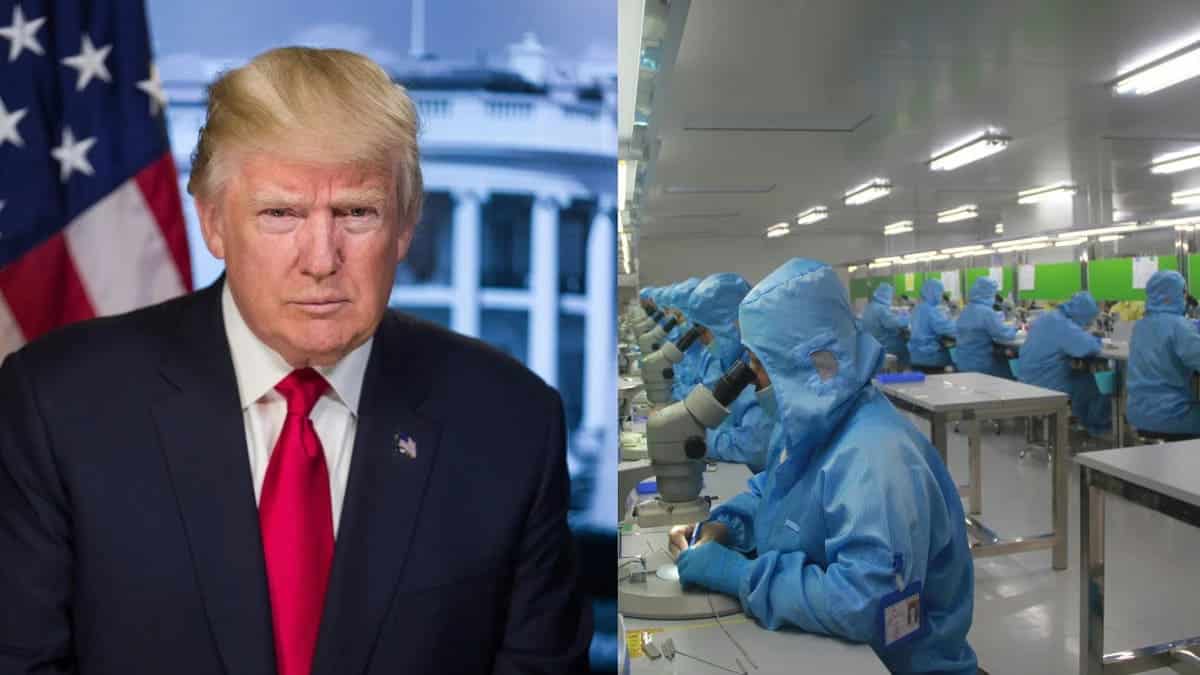
In 2019, Washington barred Huawei—and later Xiaomi—from buying advanced components from U.S. firms like Qualcomm and Intel. The goal was clear: slow China’s march toward chip sovereignty and protect America’s strategic lead in semiconductors. Yet, rather than stalling progress, the restrictions fueled a nationwide push. The Chinese government poured billions of yuan into local research, training programs and domestic foundries, determined to cultivate a self-sufficient semiconductor ecosystem.
Huawei and Xiaomi lead the charge
Fast forward to today, and Huawei’s Mate 60 Pro—powered by its homegrown Kirin 9000S chip fabricated by SMIC—has taken industry observers aback. This system-on-chip performance may not yet eclipse Apple’s latest A-series processors, but it represents a seismic shift toward self-reliance. Not to be outdone, Xiaomi has accelerated development of its own image-processing and power-management semiconductors for flagship devices. Together, these moves signal a break from China’s former dependency on Western suppliers and a willingness to explore open architectures like RISC-V, sidestepping ARM’s more restricted platforms.
Rising American concern
U.S. officials are watching closely. A recent report by the Semiconductor Industry Association warns that if current trends continue, China could close the gap on high-end chip manufacture within ten years. Such a turnaround would upend the global technology balance, shifting supply-chain risk away from Western capitals and toward Beijing. As one Department of Commerce spokesperson noted, “An embargo meant to deter advancement has instead become a catalyst for China’s rapid ascent in chipmaking.”
China has not yet won the semiconductor “war,” but its response to export controls has proven that adversity can ignite creativity. With Huawei and Xiaomi now at the forefront of a national drive, the U.S. finds itself contending with a formidable new reality: a competitor that has transformed sanctions into stepping stones.
Similar Posts:
Joe is a passionate news writer with a keen interest in current events. With over a decade of experience in journalism, he has a knack for uncovering the stories that matter most. Joe’s insightful articles and in-depth analyses have made him a trusted voice in the industry. He thrives on staying ahead of the news curve, providing readers with timely and relevant information. Whether it’s breaking news, politics, or social issues, Joe dedication to the craft ensures that his readers are always well-informed.
X (Twitter)
