Make half your grains whole. Eat more vegetables. Cut back on added sugar. None of this is new. Most of us already know the basic nutrition guidelines — the hard part is putting them into practice amid conflicting advice online, budget constraints and general overwhelm. Meanwhile, some genuinely useful tips get drowned out by louder, trendier topics (hello, proteinmaxxing).
As a dietitian with a background in nutrition research and counseling who now spends my days writing about nutrition and tracking the latest trends and products, here’s the thing I wish more people realized: healthy eating doesn’t have to be as complicated as we make it.
So what actually helps? I asked fellow registered dietitians for the tips they most often give clients — and threw in a few of my own. Here’s what they said.
Don’t overthink your meals
“One of the biggest obstacles I see is people overthinking their meals,” says registered dietitian and certified personal trainer Brittani DaSilva. “We have so much food content on social media now that you can easily spend a ton of time scrolling through recipes and feel like you need to make something new every week. You really do not. Pick a few healthy meals that you already know you like and keep them in rotation.”
Advertisement
Advertisement
Why it works: “Repeat recipes are great because once you have made them a few times, you get faster and they become much easier to throw together,” says DaSilva, stressing, “You do not need a brand-new recipe every night to eat healthy.”
I think a lot of healthy eating comes down to making the healthier choice the easier choice, especially when life gets busy.
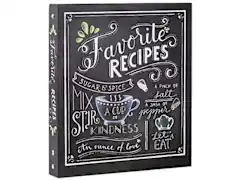
Potential hurdles: If you’re not one of those lucky few who can memorize recipes, consider going old school and keeping a recipe book on hand. (I personally prefer following recipes written down rather than on my phone.) Another place people often get stuck is figuring out which recipes to start with. Again, the internet is great and all, but having a physical cookbook can be an easy way to feel less overwhelmed by the sheer number of recipe options out there. I’m a big fan of Skinnytaste cookbooks because I find the recipes beginner-friendly, approachable and flavorful.
Helpful products:


Aim for 8 ounces of seafood each week
Chicken on repeat? Patricia Kolesa, MS, RDN, founder of Dietitian Dish LLC, recommends swapping your usual protein for fish at least twice a week.
Advertisement
Advertisement
Why it works: “Seafood is a lean protein source that can help lower saturated fat intake from animal protein. Too much saturated fat in the diet can raise LDL [“bad” cholesterol],” Kolesa explains. She also points out that fatty fish, like salmon, sardines and mackerel, are rich in DHA and EPA omega-3s — essential fats that help combat chronic inflammation and play an important role in brain, eye, and immune health.
Potential hurdles: Kolesa says there are two main barriers: cost and how to actually cook fish in a way that’s flavorful. First, tinned fish, like canned tuna or salmon, is a great alternative to pricier fish fillets. As for cooking, the air fryer can actually be a really useful tool for fish. While you may need to play around with the settings depending on the type and thickness, the air fryer is a great beginner-friendly method for preparing fish, producing a crisp exterior and flaky interior in under 10 minutes.
If you really dislike eating fish — or can’t, due to allergies, dietary preferences or religious reasons — it’s worth considering an omega-3 supplement.
Quick note: The Food and Drug Administration (FDA) and the Environmental Protection Agency (EPA) recommend that children ages 1 to 11 eat 2 age-appropriate servings a week of lower-mercury fish from their “Best Choices” list. People who are pregnant or breastfeeding should eat 2 to 3 servings a week from the “Best Choices” list or 1 serving from the “Good Choices” list. Both groups should avoid fish highest in mercury, including king mackerel and swordfish.
Helpful products:


Focus on protein quality, not just grams
Protein has been the “it” nutrient for the past year, showing up in everything from coffee drinks to popcorn and cookies. But how many grams of protein a product has doesn’t automatically make it a “healthy” or nutritious choice — the source, whether it’s whole food or highly processed, matters just as much.
Advertisement
Advertisement
Why it works: There’s a lot of conflicting nutrition advice out there. But one thing most research and experts agree on is that it’s best to prioritize whole foods first, then fill in the gaps with convenience foods — think protein bars, protein cereal and supplements. Whole foods tend to be more satisfying and are less likely to be high in added sugar or sodium. They also contain essential nutrients like fiber and vitamins, along with compounds like antioxidants, in a combination that packaged foods can’t fully replicate.
Potential hurdles: There’s a reason packaged protein-packed snacks have become so popular: they’re convenient. To make eating more whole-food protein sources easier, consider signing up for a prepared meal delivery service (Tempo is one of my favorites), or opt for less processed snacks like almonds, cheese sticks, steamable bags of edamame or protein bars made from real foods rather than highly processed whey or soy isolates.
Helpful products:


Include a source of fiber at every meal and snack
According to the American Society for Nutrition, approximately 95% of Americans fall short of their fiber needs. That’s why Gavin Van De Walle, MS, RD, recommends including a source of fiber with every meal and snack. “Aiming for around 7 to 10 grams of fiber per meal and 3 to 5 grams per snack can help you meet the recommended adequate daily intake for fiber,” he says.
Advertisement
Advertisement
Why it works: “Decades of research link higher dietary fiber intake with a lower risk of heart disease, type 2 diabetes and certain cancers, particularly colorectal cancer. Still, most adults consume less than half the recommended amounts,” he explains. Van De Walle also notes that fiber helps keep you full longer and plays a key role in digestion and gut health.
Potential hurdles: Some people find that whole-wheat foods, especially certain pastas, don’t have the same taste or texture as their refined white flour counterparts. Brami Protein Pasta is one of the first healthier pastas I’ve tried that doesn’t skimp on fiber (an impressive 9 grams per serving) while still keeping the soft chew and mouthfeel of traditional pasta. Another hurdle? Time. Even if you love farro or brown rice, you don’t always have 30-plus minutes to get dinner on the table. A rice cooker is a great solution — prep your grain in the morning, and come home to perfectly cooked rice or another grain, ready to eat.
Helpful products:


Plan around your calendar
“Plan your meals around your calendar, not just your nutrition and health goals,” says DaSilva. “At the beginning of the week, look at what you actually have going on and think about which days are going to be busier than others. Look at work, your kids’ activities, appointments, social events and anything else that could make it harder to cook.”
Advertisement
Advertisement
Why it works: “You can have the best intentions to make a healthy dinner every night, but those intentions don’t always account for how busy or tired you’re going to be. Maybe your child has a T-ball game on Tuesday, and you won’t get home until 7 p.m. After a long day, it’s a lot easier to stop at McDonald’s than it is to come home and start cooking,” she says. By planning around what you have going on, DaSilva notes, you can prepare ahead of time — like making a slow-cooker meal on busier days or making a double batch the night before. “I think a lot of healthy eating comes down to making the healthier choice the easier choice, especially when life gets busy,” she adds.
Potential hurdles: DaSilva says that using your phone to meal plan or store your grocery list might actually make it harder to stick with a plan. “I really love magnetic meal planners that hang on the refrigerator, specifically the ones that have a perforated grocery list attached. You can write out your meals for the week, and then as you run out of something, add it to your grocery list right away. I like that it’s somewhere you’ll actually see it instead of buried in your phone. It’s a really simple tool, but having your meals and grocery list right in front of you can make planning feel much more manageable.”
Helpful products:


Eat before you get ‘hangry’
Registered dietitian and certified personal trainer Paige Aberasturi recommends eating regularly throughout the day rather than skipping meals.
Advertisement
Advertisement
Why it works: While there’s research supporting the benefits of intermittent fasting, for many healthy adults, eating regular meals and snacks throughout the day is a good strategy for maintaining stable blood sugar and energy levels. Plus, it’s often harder to make a healthy choice once you’ve crossed into “hangry” territory.
Potential hurdles: Whether you’re at the office, on a road trip or out and about, it’s not always possible to quickly grab a meal or snack — or at least a balanced one. To help, Aberasturi recommends keeping nutritious grab-and-go snacks at home so you can grab one on your way out the door. Specifically, she recommends cheese sticks, nuts, fruit, vegetables and dip, sandwiches and healthier bars, like Mush or Perfect Bar.
Helpful products:


Our health content is for informational purposes only and is not intended as professional medical advice. Consult a medical professional on questions about your health.