The Coffee Lab
I’m Erin, and welcome to the third episode of The Coffee Lab, the series where we forget coffee snobbery. The Coffee Lab is all about making coffee fun. Join me as I help you kickstart your coffee journey!
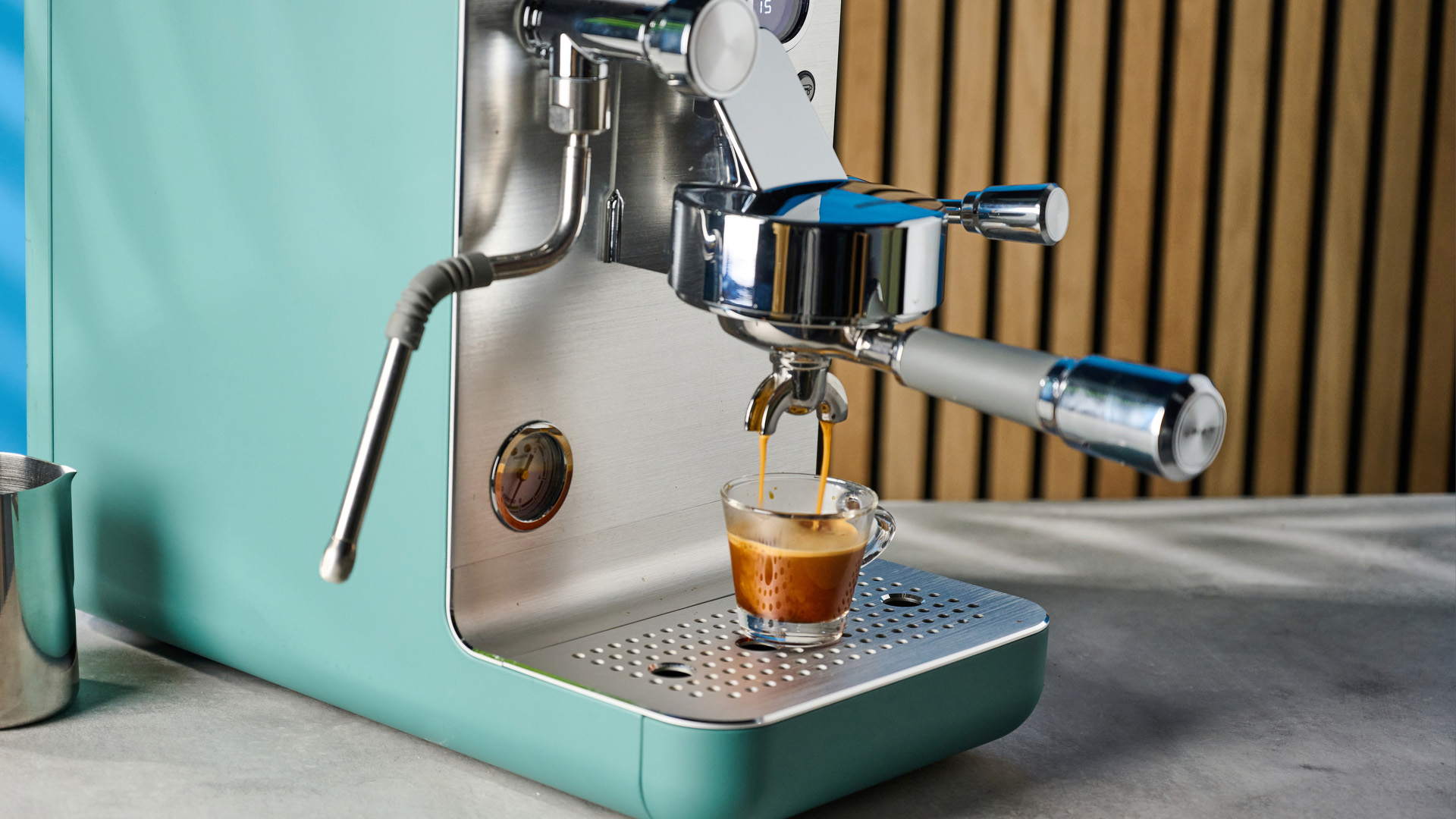
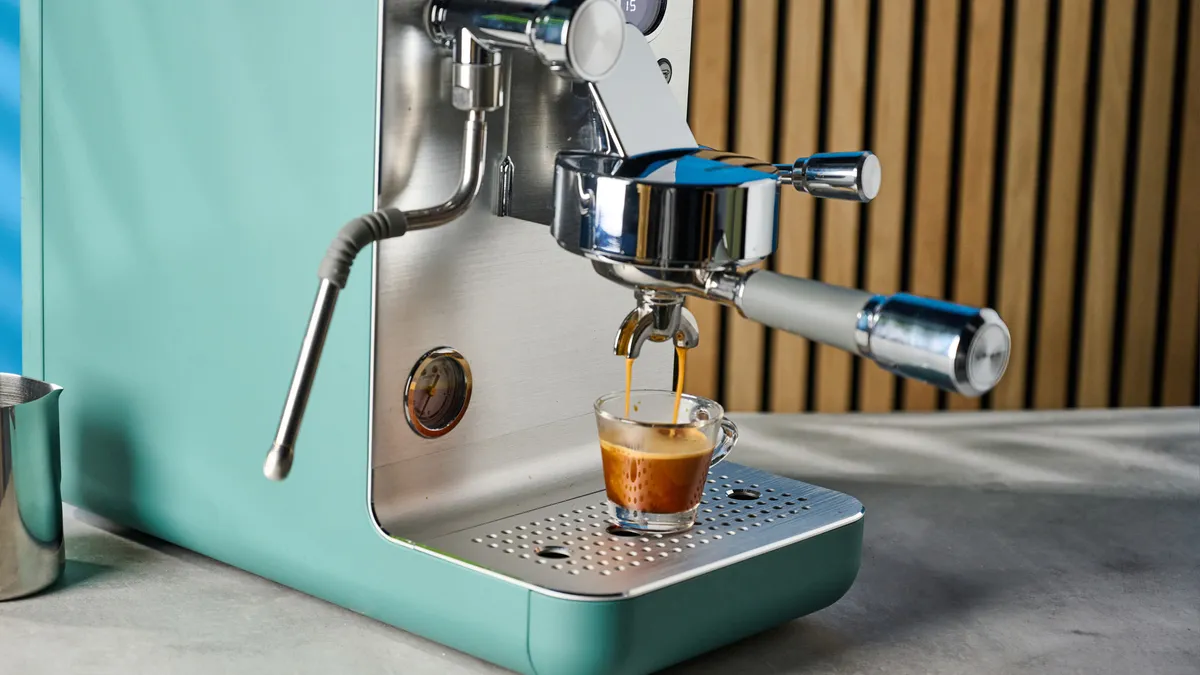
As an ex-barista, I know how to pull cafe-quality espresso at home — and spending $1,000 on an espresso machine and $10 on a blade grinder is not the way to do it. I can make barista-quality espresso drinks with just a $299 Breville Bambino and a $299 Comandante C40 MK4.
But how is the Bambino a budget model yet the Comandante is a premium model — aren’t they the same price? Yes… and no. Although the same price, the Comandante is a hand grinder, and it’s the best hand grinder on the market — so, relatively, it’s a premium product. Hand grinders are inherently cheaper than electric motor grinders, and you can get pro results without the price tag. Electric motor grinders can go for up to $1,500 for a similar quality (Mazzer Philos, the best grinder in the world… if you’ve got the money).
My entire pro setup is under $650 — but here’s why most of that should be invested in a high-quality grinder.
What does a coffee grinder actually do?

Knowing how to grind coffee is a skill in and of itself — I recommend you take time to learn optimal grind size and texture before going any further.
A coffee grinder turns whole beans into the coffee grounds you can actually use in brewing. There are two main types of coffee grinders: burr and blade. Burrs crush the beans, whereas blades slice the beans.
I would only ever recommend using a burr grinder. Blade grinders have low uniformity, meaning all the coffee grounds are of inconsistent sizes. You might struggle to make a high-quality drink with uneven grounds.
Different brewing methods require different grind sizes: espresso needs fine, AeroPress and pour-over medium-fine, French press goes coarse, and cold brew requires the coarsest grind. But regardless of which brewing method you’re using, you want all these grounds to be the same size.
Why does my coffee grind need to be consistent?

Consistency is key for one major reason: extraction and flavor. Let me explain.
Bitter tasting coffee is likely over-extracted, and sour or weak tasting coffee is likely under-extracted.
Coffee ground too finely is often over-extracted, and coffee ground too coarsely is often under-extracted. See where the issue might be?
If your coffee grounds are all different sizes, some will be over-extracted, whereas some will be under-extracted.
For example, if you are making espresso, your coffee should be around as fine as baker’s salt — all your coffee. Not most of it, not half of it. All of it.
However, if you use a blade or low-quality burr grinder, the coffee grounds will be different sizes. Water will pass over the larger granules without extracting properly, resulting in a sour or bitter shot — or, in some disastrous cases, sour and bitter all at once.
What happens if I use a blade grinder?
Using a blade grinder is one of the biggest no-nos I can think of. Blade grinders use an electric motor to cut coffee grounds. What happens when your coffee gets stuck to the side of the grinding chamber, or the blades make a well in the middle of the grounds?
You get over-sliced grounds and under-sliced grounds, that’s what. Look at this picture of coffee ground on the Cuisinart Blade Grinder.

In the foreground, you have huge chunks of coffee, and in the background, you have tiny, espresso-sized granules. What do you think would happen if I tried to make espresso on this?
It would be a watery mess, that’s what.
Burr grinders don’t even have to be expensive — I’ve tested some decent sub-$200 models. Obviously, none of these will come close to the Mazzer Philos in terms of uniformity or longevity, but could be a decent option if you’re short on dollars.

Follow Tom’s Guide on Google News and add us as a preferred source to get our up-to-date news, analysis, and reviews in your feeds. Subscribe to Tom’s Guide on YouTube and follow us on TikTok.