Iranian foreign minister Abbas Araghchi left Pakistan capital Islamabad on Saturday even before the arrival of the US delegation to Pakistan.

Shortly after his arrival in Islamabad, the Iranian government maintained that there will not be direct negotiations with the US envoy’s during this visit.
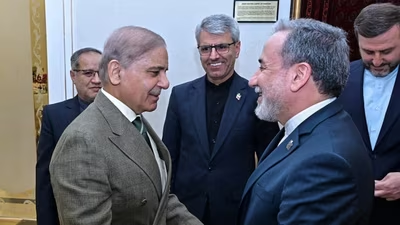
During the brief visit, the Iranian minister held meetings with Pakistan’s political brass. Araghchi met Pakistan Prime Minister Shehbaz Sharif and Army Chief Asim Munir.
After Araghchi’s departure, United States President Donald Trump announced that he had cancelled the US delegation’s visit to Islamabad, saying Iran can “call us anytime they want.”
Follow live updates on West Asia crisis here
“I’ve told my people a little while ago they were getting ready to leave, and I said, ‘Nope, you’re not making an 18 hour flight to go there. We have all the cards. They can call us anytime they want, but you’re not going to be making any more 18 hour flights to sit around talking about nothing’,” the US President told Fox News over a phone call.
Why did Araghchi leave without meeting with US envoys?
Iran’s foreign minister departed Islamabad and was seen off at the airport, without meeting with any representatives from the US, the Associated Press cited officials as saying.
In his meeting with the Pakistan Prime Minister and Army Chief, Araghchi had conveyed what he called Iran’s red lines for negotiations, and said Tehran would cooperate with Islamabad’s mediation efforts until “a result is achieved.”
Also Read | Is Trump playing the markets via US-Iran war? ‘He has it in a chokehold’
The White House had earlier signalled that Iran had requested for an “in-person” meeting with US representatives, with Press Secretary Karoline Leavitt saying the US special envoy to the Middle East Steve Witkoff and Jared Kushner would leave for Islamabad on Saturday.
However, after Iranian representatives landed in Pakistan, their foreign ministry spokesperson Esmail Baghaei confirmed that there would be no direct talks between the two sides.
According to a source involved in the talks cited by Reuters news agency, Araghchi conveyed both the Iranian demands and their reservations regarding the US terms to the Pakistani side. Apart from the Iranians’ reluctance for a direct meeting, defence ministry also alleged that America was “looking for a face-saving way to escape the war quagmire it has become trapped in.”
Trump says cancelling US envoys’ trip doesn’t mean conflict will resume
Trump, meanwhile, said that the cancellation of the US envoy’s trip to Islamabad does not mean the conflict would resume. “No. It doesn’t mean that. We haven’t thought about it yet,” the US President told Axios.
After the last round of negotiations, US Vice President JD Vance had stated that Iran’s refusal to give up its nuclear programme was one of the key sticking points, while Tehran hinted at a lack of trust in America.
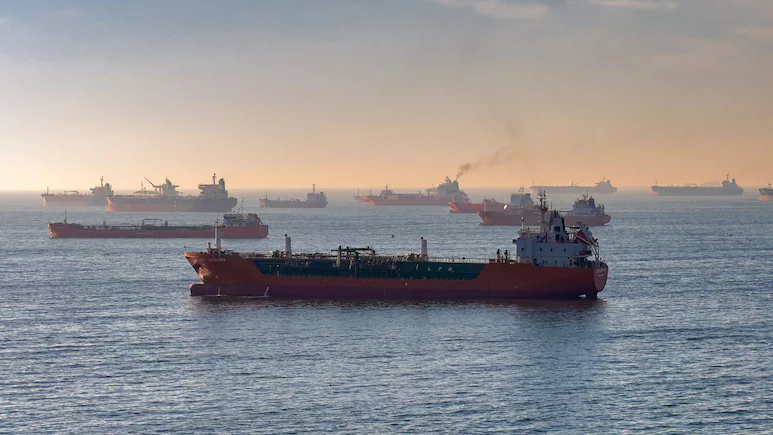
Following this, both sides have been back and forth on the enriched uranium issue, while the reopening of the Strait of Hormuz was also reversed. While Iran has effectively closed the strait, the US, after the first round of talks failed, said it had blockaded Iranian ports.