Gas prices in the United States are rising again after fighting between the US and Iran started once more. Earlier, many Republicans believed falling gas prices would help improve voters’ views on inflation before the midterm elections. But that hope has weakened because the Iran peace deal backed by President Donald Trump has fallen apart and the conflict has restarted.
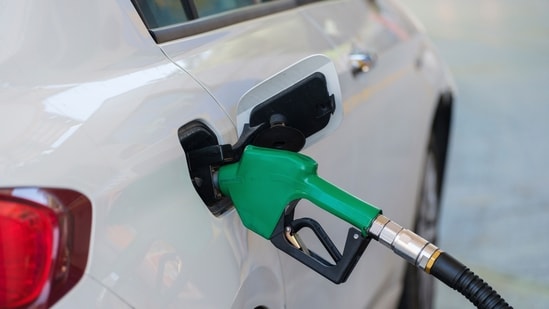
Lower gas prices are one of the easiest ways for Americans to feel relief from high inflation because people buy fuel almost every week. President Trump has repeatedly said gas prices would “drop like a rock” once the war ended. However, the fighting is continuing, making it difficult for gas prices to fall. Before the US launched attacks on February 28, the national average gas price was $2.98 per gallon, according to AAA, as cited by Axios. Gas prices later climbed above $4.50 per gallon in May.
Gas prices rise again
Prices then slowly dropped to around $3.75 per gallon earlier this month. After the latest fighting began, gas prices started rising again and are now close to $4 per gallon. The average price of regular gasoline has now reached $3.98 per gallon. Diesel prices have also increased, with the national average returning to about $5 per gallon.
Oil and gas prices had been falling after the US and Iran signed a peace plan in June. But prices started climbing again after the US and Iran resumed fighting. During the earlier Iran war, gasoline prices had already reached their highest levels in more than three years. Experts say the renewed conflict is creating fears about oil supplies around the world, according to CNN.
Strait Of Hormuz impact
One major concern is the Strait of Hormuz, an important shipping route through which a large share of the world’s oil passes. Experts said many shipping companies are unwilling to send ships through the Strait of Hormuz because of safety risks.
Any disruption in oil shipments through the Strait of Hormuz can reduce global oil supply and push fuel prices higher. Political experts say Americans notice gas prices more than many other economic numbers because fuel prices are displayed on large signs at gas stations every day, according to Jon Krosnick of Stanford University, as cited by Axios.
Also read: Google and Apple AI race: Why the EU is forcing big changes to android and Siri
Krosnick said it is difficult to think of another economic indicator that people see so often while traveling. In a 2016 study, Krosnick found that every 10-cent increase in gas prices led to about a 0.6% drop in a president’s approval rating. He also said the impact usually affects the president’s political party as well. Trump may find it harder to blame other global events because he is closely linked to the current conflict with Iran.
Election and inflation
Iran’s refusal to fully reopen the Strait of Hormuz also shows Trump cannot fully control how the conflict develops. Desmond Lachman, a senior fellow at the American Enterprise Institute and former IMF official, warned that if the Strait of Hormuz remains closed, Trump could face political trouble before the election. Lachman also said Iran understands that disrupting oil supplies can hurt the US economy before voters go to the polls, according to Axios.
Nearly 8 out of 10 Americans say gas prices are putting pressure on their household budgets, according to a PBS/NPR/Marist poll. Axios said Republicans currently have few major achievements on reducing the cost of living that they can present to voters.
The report added that Trump has spent more time talking about unproven claims of voter fraud than about inflation and the economy. Last week, Trump told Fox Business that oil prices could move up and down for now but would eventually “drop like a rock” once the conflict ends.
Analysts say the situation could still change because there are nearly four months left before the election. If the conflict eases and oil prices fall again, Republicans could still benefit before voters cast their ballots. But if fuel prices continue rising, higher costs at the pump could become a major issue for voters in the midterm elections. Overall, rising gas prices are once again becoming both an economic problem for American families and a political challenge for Republicans ahead of the elections.