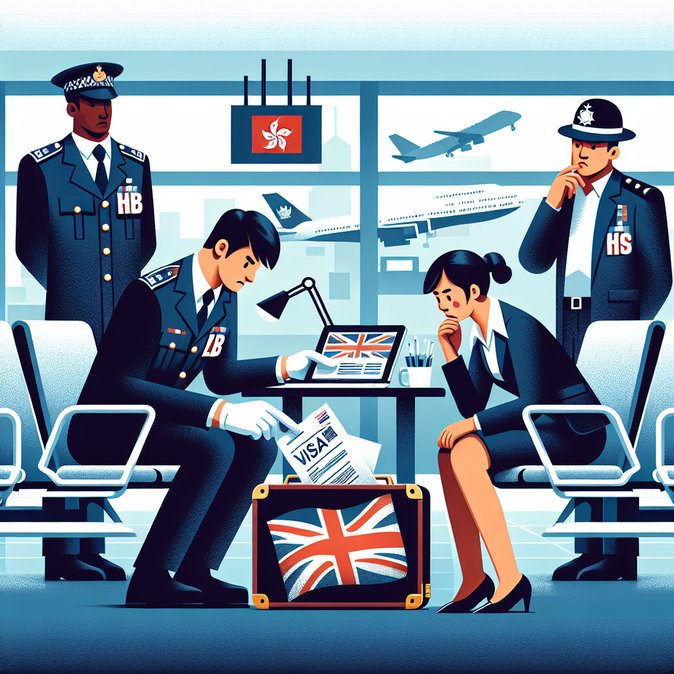
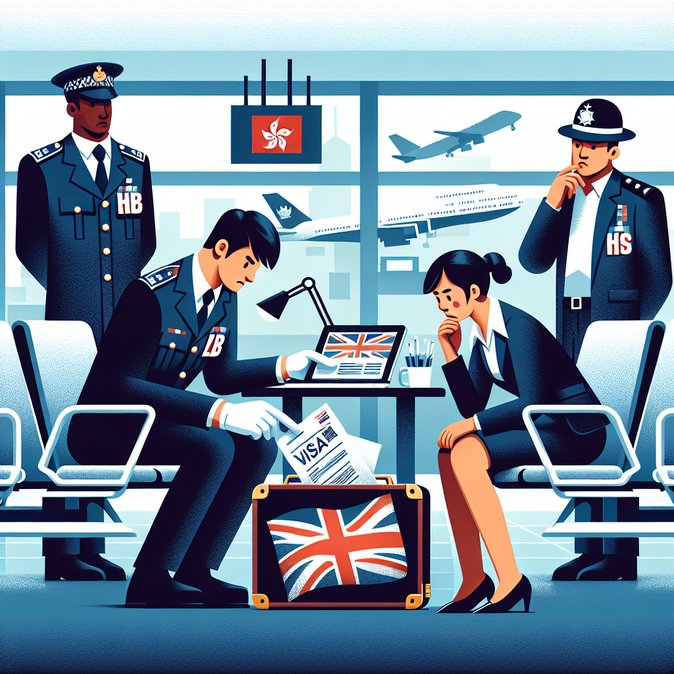
A London jury on 8 May convicted Bill Yuen Chung-biu, office manager of the Hong Kong Economic and Trade Office (ETO), and private-security consultant Peter Wai Chi-leung of assisting a foreign intelligence service by surveilling exiled Hong Kong activists in Britain. Beijing denounced the ruling as a “political stunt”, while the Hong Kong SAR Government insisted the case was unconnected to its overseas offices. The verdict has immediate mobility implications for Hong Kong officials and business-promotion staff posted abroad. The UK Home Office is reviewing the diplomatic status of all ETO personnel—currently governed by the UK’s Overseas Organisations Act rather than full Vienna Convention immunities. Analysts say Britain could impose tighter pre-clearance vetting or restrict multiple-entry visas for incoming Hong Kong civil servants and government-funded scholars.

At a practical level, companies and individual travellers may find it helpful to engage specialist visa advisory services. VisaHQ, for example, offers up-to-date guidance on UK entry requirements for Hong Kong passport-holders and can manage application paperwork end-to-end; more details are available at https://www.visahq.com/hong-kong/
For corporate travellers, heightened geopolitical tension often translates into slower border processing. In 2021 the UK introduced targeted “CT” (counter-terrorism) interview protocols at Heathrow for officials from sanctioned states; mobility managers should watch for similar measures being extended to Hong Kong passport-holders representing government entities or state-linked enterprises. Law firms report a spike in enquiries about whether PRC nationals working in Hong Kong may face additional scrutiny when applying for UK business-visitor visas. The case also spotlights data-privacy obligations. Multinationals hosting roadshows at ETO venues in London, Brussels or Toronto frequently share attendee lists with office administrators for security badging. Compliance teams may now re-examine those practices and adopt data-minimisation policies to avoid inadvertent transfer of sensitive personal information. Over the longer term, the incident could hinder the SAR’s soft-power outreach. If ETO staff find it harder to travel, trade-promotion events may pivot back to virtual formats, potentially reducing opportunities for face-to-face deal-making by Hong Kong-based exporters. Mobility budgets earmarked for official delegations should therefore build in contingency forecasts for visa delays and reputational-risk assessments.

