Published on
July 18, 2026
By: Aritrika Ghosh

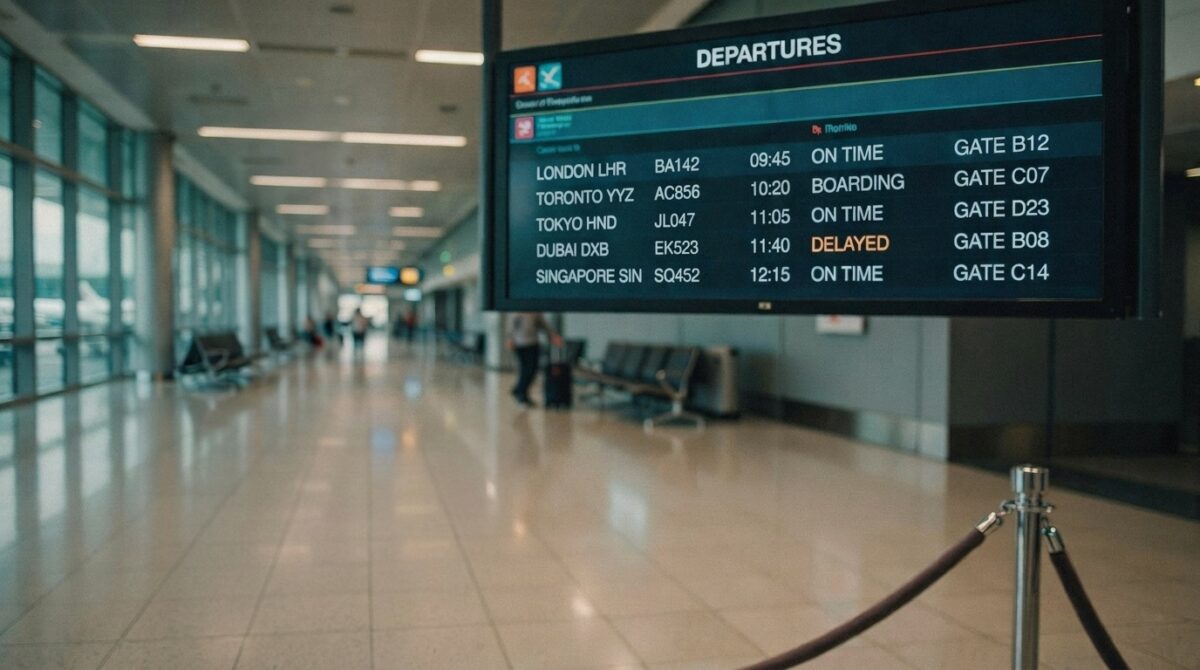
Image generated with Ai
UK alongside Canada, Japan, Vietnam, the United States, and the United Arab Emirates reshapes global mobility with radical 2026 visa and border policy overhauls.
Discover how these major changes completely reset international immigration rules right now!
The global travel ecosystem is experiencing massive friction as key destinations implement sweeping legal overhauls to regulate migration borders. The United Kingdom alongside Canada, Japan, Vietnam, the United States, and the United Arab Emirates reshapes global mobility with radical 2026 visa and border policy overhauls. Consequently, these architectural updates completely replace historical paperwork traditions with highly sophisticated, automated biometric screening systems. Travelers must immediately adjust to these evolving dynamics, especially as fast-track routes disappear and baseline financial compliance metrics increase exponentially worldwide.
Global mobility is undergoing a sweeping transformation as nations replace aging passport stamps with sophisticated digital gates. A powerful wave of electronic automation, shifting economic strategies, and tighter domestic immigration policies are fundamentally rewriting the rules for international travelers. For anyone planning a holiday, a semester abroad, or a corporate relocation, keeping pace with these shifting rules is no longer optional.
Advertisement
Advertisement
The primary takeaway from these global updates is a decisive, universal pivot toward mandatory pre-travel digital authorizations and much tighter financial scrutiny for long-term applicants. While destinations like the United Arab Emirates are relaxing entry requirements to attract top-tier global talent, Western nations like the United Kingdom and Canada are enforcing rigid electronic checks and dismantling historical fast-track pipelines to manage domestic infrastructure strains.
Why Is the United Kingdom Moving Away From Physical Visas?
The UK Home Office is aggressively executing a digital transformation strategy to transition all international visitors toward a completely paperless border control infrastructure. This comprehensive modernization is anchored by the nationwide enforcement of the Electronic Travel Authorisation, a mandatory digital permit linked directly to a traveler’s passport before they can board a flight. While the system promises to drastically streamline airport arrivals, the government has simultaneously raised the application fee to twenty pounds for a multi-entry permit that remains valid for two years.
Advertisement
Advertisement
Furthermore, the iconic physical visa stickers and Biometric Residence Permits are being systematically phased out in favor of digital UKVI accounts. Long-term residents, international students, and foreign professionals must now verify their legal status exclusively through an online portal during routine border checks. This complete digital migration significantly reduces administrative forgery risks, but it also demands that travelers maintain flawless digital records to avoid unexpected delays at British entry ports.
How Is Canada Reshaping Its Rules for International Students?
Following intense public debates surrounding housing availability and domestic infrastructure capacity, Immigration, Refugees and Citizenship Canada has enacted sweeping structural overhauls. The most significant policy shift is the complete abolition of the Student Direct Stream, a beloved fast-track program that historically granted expedited study permits to applicants from key nations like India, China, and the Philippines. By dismantling this accelerated pipeline, the Canadian government aims to stabilize temporary resident volumes and ensure an equitable distribution of resources across educational institutions.
Advertisement
Advertisement
Consequently, every single international student application has reverted to the standard, highly rigorous review track where processing times are substantially prolonged. Visa officers are now exercising unprecedented levels of scrutiny regarding bank histories, foreign sources of funding, and the strict career alignment of an applicant’s chosen academic program. Students must present ironclad evidence of financial self-sufficiency to survive this heightened vetting process, turning what was once a predictable bureaucratic formality into a highly competitive entry gauntlet.
“The shifting paradigm of global mobility in 2026 clearly represents a calculated effort by nations to balance macroeconomic strain against national security interests. By enforcing heavy digital infrastructure updates, the United Kingdom alongside Canada, Japan, Vietnam, the United States, and the United Arab Emirates reshapes global mobility with radical 2026 visa and border policy overhauls. Consequently, traditional entry pipelines are transitioning into highly automated economic filters that heavily prioritize absolute financial transparency over tourist convenience. Ultimately, international travelers must swiftly adapt to this highly fragmented environment, where administrative precision dictates cross-border access more than ever before.”
— Anup Kumar Keshan, Founder and Editor-in-Chief, Travel And Tour World
What Are the Real Reasons Behind Japan’s Steep Fee Increases?
Faced with an unprecedented post-pandemic tourism boom that has strained local municipalities, the Japanese government has introduced targeted measures to manage escalating crowd levels. For the first time since 1978, the Ministry of Foreign Affairs has authorised a substantial hike in standard visa application fees for travelers arriving from countries without reciprocal visa-waiver agreements. This targeted pricing adjustment is intentionally designed to offset the rising operational costs of managing crowded diplomatic missions and to fund regional sustainable tourism initiatives.
Advertisement
Advertisement
In tandem with the elevated pricing structure, Japanese consulates have rolled out strict, mandatory pre-booked appointment windows across their primary global processing hubs. By eliminating walk-in queues entirely, authorities have successfully mitigated chaotic backlogs at processing centers while pacing the steady influx of new independent temporary visitor applications. Travelers aiming to explore Tokyo or Kyoto must now factor these rigid timelines into their holiday itineraries, as securing a coveted embassy slot requires far more advance planning than in previous decades.
Which New Residency Streams Has the United Arab Emirates Opened Up?
In stark contrast to the tightening border restrictions observed across Western Europe and North America, the United Arab Emirates is aggressively expanding its international entry portals to anchor its status as a premier global corporate capital. The federal government has officially broadened its flexible visa-on-arrival eligibility criteria across both its fourteen-day and sixty-day entry allocations, granting citizens from emerging economies like South Africa immediate access without prior embassy visits. This strategic open-door hospitality initiative directly complements Dubai’s long-term economic agenda to attract diverse, wealthy consumer segments and independent corporate investors.
Simultaneously, the country’s advanced immigration portals have been fully overhauled to bypass traditional local sponsor bottlenecks, allowing independent travelers to upload flight itineraries and hotel vouchers for near-instant electronic approval. The nation has also introduced specialized, highly exclusive long-term residency categories specifically tailored for elite foreign professionals, researchers, and their immediate family members. By blending instant digital tourist processing with robust, multi-year career pathways, the emirate successfully positions itself as an incredibly frictionless sanctuary for the modern global workforce.
| Country | Primary System Shift | Core Policy Change | Impact on Travelers |
|---|---|---|---|
| United Kingdom | Full Border Digitisation | ETA expansion and abolition of physical biometric permits (BRPs). | Mandatory £20 digital permit before travel; digital UKVI accounts replace passport stickers. |
| Canada | Stricter Academic Scrutiny | Complete abolition of the fast-track Student Direct Stream (SDS). | Prolonged processing times; intense scrutiny of student bank histories and funding sources. |
| Japan | Congestion Management | First visa fee hike since 1978 and mandatory pre-booked windows. | Higher upfront application costs; walk-in consulate queues eliminated globally. |
| United Arab Emirates | Economic Expansion | Expanded visa-on-arrival access and sponsor-free digital portals. | Near-instant electronic approvals; frictionless entry paths for tourists and elite professionals. |
The fundamental driver behind these global changes is a shifting balance between economic security and border control. The era of traditional passport stamps is rapidly ending as nations pivot toward data-driven, preemptive screening mechanisms. For Western nations like the United Kingdom and Canada, these structural changes are heavily focused on domestic stabilization. By enforcing mandatory pre-travel digital authorizations and dismantling historical fast-track pipelines, they aim to strictly regulate immigration volumes while easing the administrative burden on domestic public infrastructure.
Conversely, regions like the United Arab Emirates are moving in the opposite direction, utilizing highly automated digital portals to reduce friction and attract international capital. By removing bureaucratic bottlenecks and expanding sponsor-free entry pathways, they are actively competing for top-tier global talent and wealthy tourists. Ultimately, this bifurcated landscape means that global mobility in 2026 is no longer uniform. Travelers must adapt to a highly fragmented international ecosystem where some borders are rapidly tightening via digital vetting, while others are opening wider to secure a competitive edge in the global economy.
To ensure your paperwork complies with these evolving frameworks, you can verify your eligibility and track updating entry requirements directly via the Official UK Government Visas Portal or the Official Government of Canada Immigration Platform.
Advertisement
Advertisement