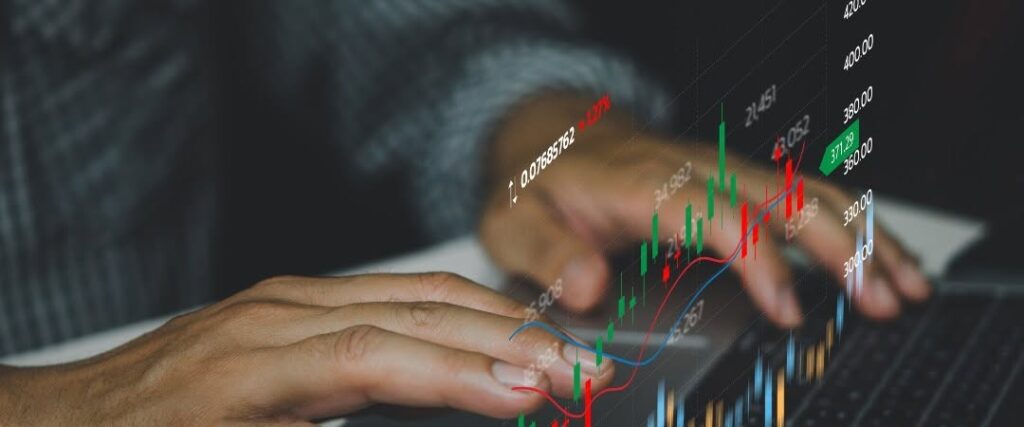
There is no denying that artificial intelligence has fundamentally changed retail forex trading by shifting tools from rigid, manual rule-based scripts to a smarter, adaptive system that can process gigantic amounts of data and price points in a fraction of a second.
AI tools act as a 24/7 analytical partner that can remove human friction and better inform our actions before we make our next trade. This article will review the core impacts of artificial intelligence on retail tools, the paradox of accessibility vs. profitability, as well as the impact on both the regulatory landscape and overall market dynamics.
AI tools supercharge forex platform features
Starting with the bigger picture as a whole, there are several core impacts that artificial intelligence tools have had on the retail tools available to forex traders. Whether it be in dynamic risk management, predictive analytics, intelligent automation, or even in text and sentiment analysis, built-in AI tools have superpowered the way that forex platforms can be adapted to match their user’s requirements.
When we talk about dynamic risk management, we mean that nowadays, traders can deploy AI-driven risk management tools that evaluate real-time market volatility to set stop-loss values. This replaces the outdated, rigid, and fixed values that a trader used to have to set up well in advance of their trading strategy, meaning that they needed to adjust their strategy to reflect any market movements. AI tools do the hard work for us in this regard now.
Machine learning can also scan multiple currency pairs and technical indicators simultaneously, generating predictive analytics. This way, complex and non-linear correlations can be identified quickly by AI tools and highlighted to the forex trader on the platform. As commodities shift, or interest rate data is released, pattern recognition tools can highlight a specific cross in the data that human eyes either miss or are not experienced enough to spot for themselves.
To some extent, this idea carries into intelligent automation, too. Algorithmic trading is no longer limited to high-end developers, as platforms are now widely capable of providing automated strategy execution, based on parameters set by the trader, using machine learning to adjust entry and exit points on the fly.
Where the everyday person may use AI tools to parse multiple documents into a single potted summary, most often used professionally in workplaces with complex contracts or client briefing requirements, in forex trading, these natural language processing (NLP) tools instantly parse global news feeds, central bank speeches, and social sentiment to gauge market direction.
The accessibility vs. profitability paradox
According to research by Traders Union, over 58% of retail forex traders utilise AI or other automated tools to execute their forex trading strategy, but only 21% report a measurable increase in profitability. This demonstrates that access to the tools does not necessarily give the everyday trader the advantage they expect. Many traders appear to be relying on indicators or bots running on their accounts, without yet having a full understanding of the underlying market parameters. Such a situation can actually result in cascading failures for the trader when the market abruptly shifts, because they don’t know what they’re looking for or expecting such volatility based on what AI is or isn’t telling them.
Traders Union also goes on to highlight that 30% of people who use AI tools actually experience worse results, which underlines that belief by showcasing that some traders use these tools as a shortcut to profits rather than as part of a structured trading strategy.
Successful traders are the ones who treat AI tools as a force multiplier: how can the tools enhance their already effective strategy? This means that for some, they use intelligence to run backtesting simulations, others mostly rely on them to summarise macroeconomic events, and many apply them to filter gigantic watchlists. All of this is to say that automations provide the data that can influence the strategic oversight, which remains in human hands.
AI tools affect market volatility when reacting en masse
One thing is for certain: financial regulators are exercising ever-increasing oversight of forex trading. This demand for greater transparency, accountability, and clear risk disclosures will likely push for either clearer disclosure of the impact of AI tools or controls on their use in forex trading.
The IMF Global Financial Stability Report notes that artificial intelligence is making markets more efficient, but also identifies widespread use of identical AI models that respond to the same macroeconomic releases. This can make markets opaque, harder to monitor, and more vulnerable to cyberattacks. AI-powered trading that reacts identically to reports can amplify short-term market volatility and cause sudden liquidity spikes for traders. The report further highlights that the number of patent applications related to algorithmic trading continues to rise year on year, which would signify that further developments are still to come in this area of the forex market.
Understanding algorithmic cause-and-effect does give traders a practical edge, however. Humans can move from reacting to lagging price signals to anticipating institutional order flow, that is, how major financial institutions are trading with their hundreds of millions of dollars. Traders who understand the input data that triggers these causal responses, as well as the output orders that result from programmatic reactions, can beat the bots at their own game. Predicting how thousands of automated systems will behave at specific price levels means you can set up your own strategy to not only account for it but also benefit from it.
Until regulation indicates it wants to change how AI tools behave for retail traders, these market dynamics need to be well understood for a trader to stand in good stead ahead of the next batch of AI-driven volatility.
Well-prepared forex traders can make AI insights work to their advantage
Artificial intelligence has had a profound impact on the trading tools available to retail forex account holders. While reports detail that it doesn’t always deliver a positive impact for the average trader, knowledgeable and well-prepared traders can take advantage of the added insights and flexibility provided by AI-driven features.
Finding the platform with the right tools to help experienced traders is an important step in the right direction of wresting control back from AI tools and making it work to your advantage. Checking an up-to-date forex broker list, comparing the features and tools of each platform, can empower you to make the switch to a better trading partner for your strategy.