Asda, Tesco, Sainsbury’s, Marks & Spencer, Waitrose and Co-op have all decided to take the dates off various items, including fruit and vegetables.
The move is intended to cut down on unnecessary waste stemming from consumers misunderstanding the labels and discarding perfectly edible food.
The Waste and Resources Action Programme (WRAP) says removing these dates could save thousands of tonnes of food from being thrown away each year.
This is because many people mistakenly believe that food is unsafe to eat after the best before date.

High Speed Training has explained the difference between use by and best before dates.
Dr Richard Anderson, head of learning and development at High Speed Training, said: “Use by dates indicate when a product may no longer be safe to eat.
“You should not eat, cook or freeze it after the date displayed, even if it looks or smells fine.
“Use by dates are typically present on meats and dairy products, as well as ready meals like salads.
“Always follow the storage instructions on the product (usually refrigeration or freezing).
“Otherwise, it may no longer be good to eat, even before its use by date.”
He added that consuming food past its use by date could risk food poisoning, as harmful bacteria cannot be seen or smelt.
On the other hand, best before dates are about quality, not safety.
Dr Anderson said: “You can still eat food after its best before date, but its flavour and texture is most likely not as good as before the date.
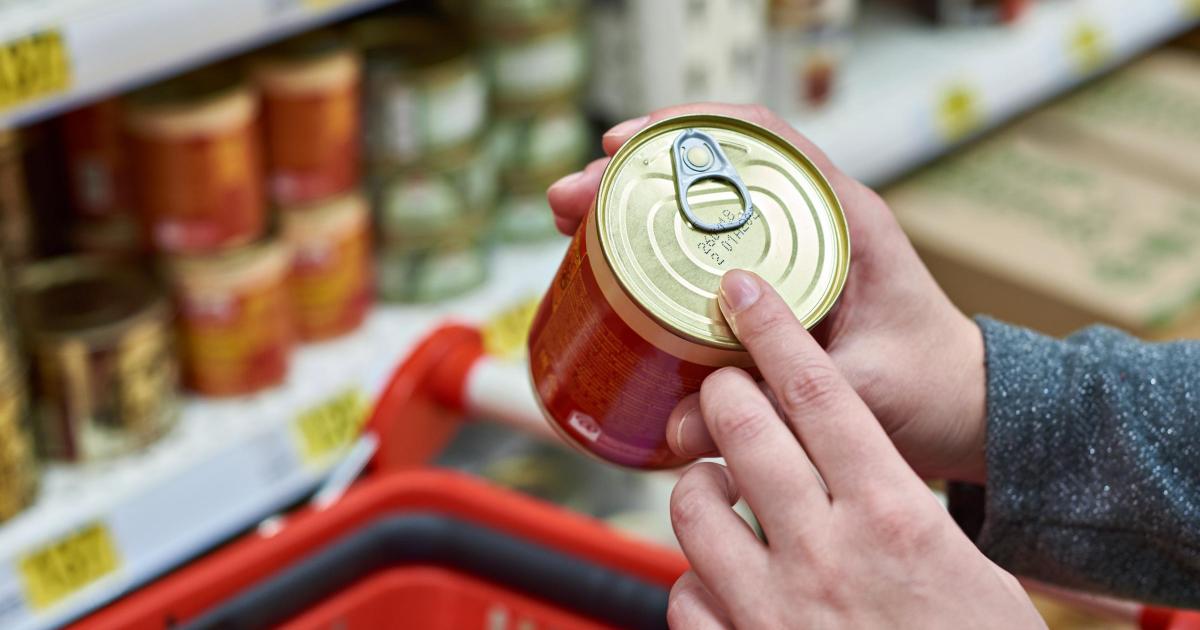
“Best before dates are usually displayed on products that do not require refrigeration or freezing, such as dry pasta, bread, tinned products, fruits and vegetables and uncooked rice.
“They are also often found on products with a longer shelf life.”
He also clarified that sell by and display until dates are for the retailers’ reference and do not indicate when the food is unsafe to eat.