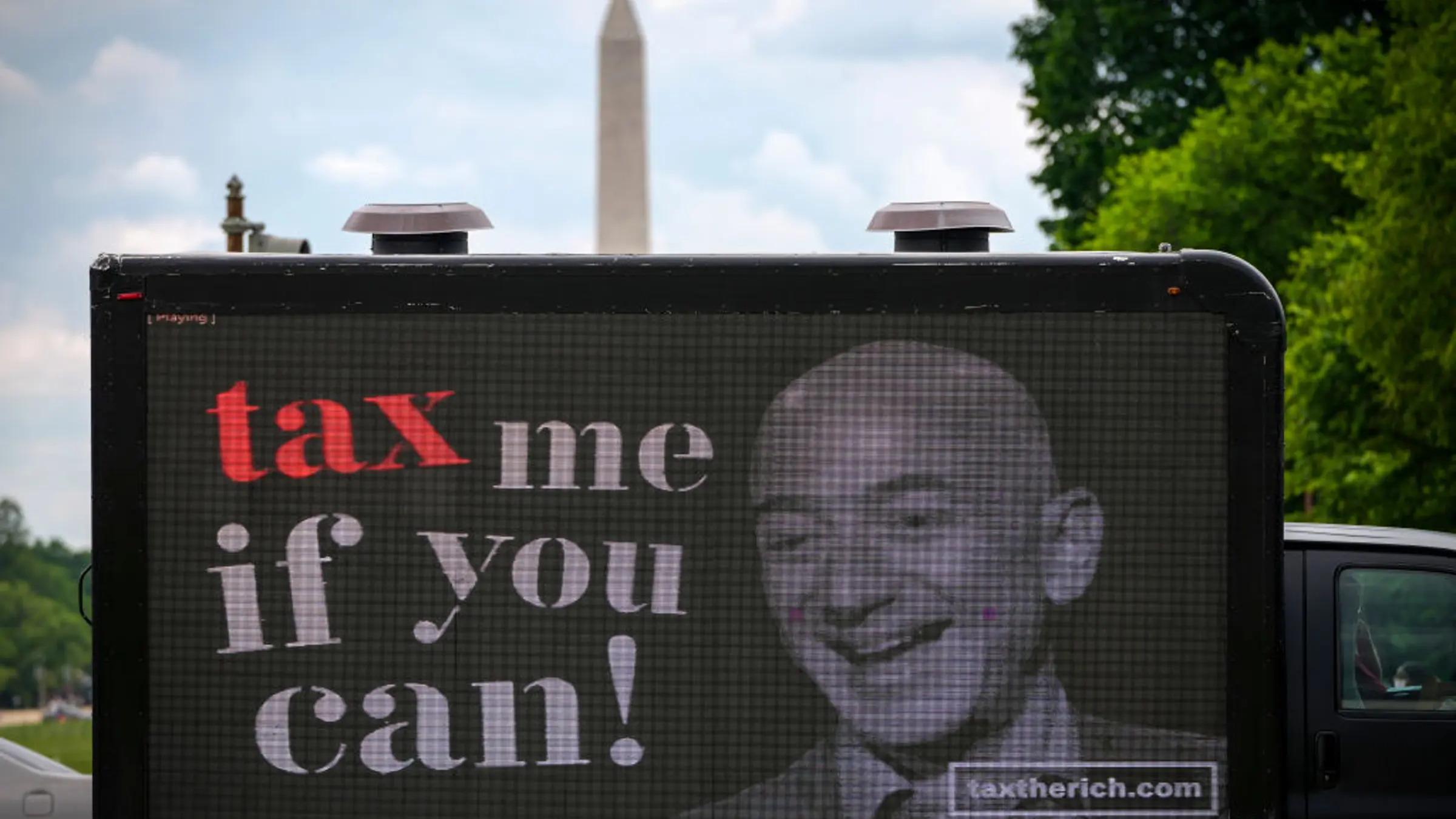
Scott Ellis, an ed-tech executive and former management consultant at McKinsey, described the concentration of wealth as “the single most important root cause” of the world’s problems. His modest proposal: a $100 million cap on household wealth and a 50% wealth tax starting above $30 million. “It’s hard to argue that $100 million is not enough. … How do you get your trophy for winning capitalism?” he said.
It’s a tough sell beyond these take-my-money activists. But as Morris Pearl, a founding member of the club and a former managing director at BlackRock, put it bluntly: “People are saying millionaires like me are going to move out of the city if they raise our taxes. That’s absurd. The whole point of being a millionaire is so you can live wherever you want to live. … I’m not going to move somewhere else because of my taxes. People who don’t want to pay taxes don’t live in New York.”
Again, it is the privilege of indifference. But there’s another version of it—that of the masses, resigned to the status quo, which was on display at Bezos’ compound. The driver arrived promptly at 11 a.m. in the tony section of Washington where the Obamas are neighbors. It idled outside the estate, which combined two mansions into one but is seldom host to its owner, who has become the avatar for billionaires who know how to game the tax code to pay a lower rate of taxes than most Americans. The few cars going down that tree-lined street simply went around without so much as a honk. “Tax me if you can,” the signage taunted with a picture of a laughing Bezos outside his manse. Groundskeepers at the estate across the street went about their business, hosing down the sidewalk. If anyone called the police, they never showed up.