Gasgoo Munich- Qianli Technology is accelerating its push for a Hong Kong listing.
The company recently resubmitted its application for a main board listing to the Hong Kong Stock Exchange, aiming for a dual listing on the A-share and Hong Kong markets. Market sources suggest it could complete its Hong Kong IPO as early as the second quarter of this year. People close to the project reveal that Qianli Technology has entered the HKEX inquiry phase; if all goes smoothly, it will move forward with roadshows and pricing.
Unlike a typical automaker IPO, Qianli Technology’s Hong Kong debut is drawing extra scrutiny—largely due to the strategic pivot it has undertaken over the past two years.
The company’s predecessor was Lifan shares. In 2020, after a debt crisis and a stalled transition to new energy vehicles, Lifan entered bankruptcy reorganization, followed by a takeover by Geely and capital from Chongqing’s Liangjiang New Area. Post-restructuring, Geely gradually introduced battery-swapping models, platforms, and supply chain resources, steering Lifan’s business toward new energy vehicles.
In 2024, Megvii founder Yin Qi joined the company as chairman. Then, in February 2025, Lifan Technology officially rebranded as “Qianli Technology,” unveiling an “AI + Auto” strategy that extends its business into intelligent driving, smart cockpits, and Robotaxis.
Over the past year, driven by the rebranding and AI strategy, Qianli Technology has captured the capital market’s attention. Its stock surged from a low of 2.2 yuan at the start of 2024 to 13.9 yuan—a gain of over 400% at its peak. Currently, the company’s market capitalization exceeds 50 billion yuan, with shares trading at 11.3 yuan.
Q2 Hong Kong Debut on the Horizon
According to the prospectus, the $1 billion raised from the Hong Kong listing will primarily fuel Qianli Technology’s AI-driven strategy, bolster R&D capabilities, upgrade products and technical solutions, and expand its sales and service networks.
This reflects the company’s sustained R&D investment over the last two years. In 2025, R&D expenses hit 822 million yuan—more than double the previous year. The headcount for research staff jumped from 791 to 2,456, now accounting for over a third of the total workforce. The increased spending is focused heavily on intelligent driving algorithms, smart cockpits, and Robotaxis.
Currently, Qianli Technology’s operations split into two main pillars: manufacturing and technology. Manufacturing remains the revenue engine, covering new energy vehicles, motorcycles, and related components. The technology segment encompasses intelligent driving, smart cockpits, and Robotaxis.
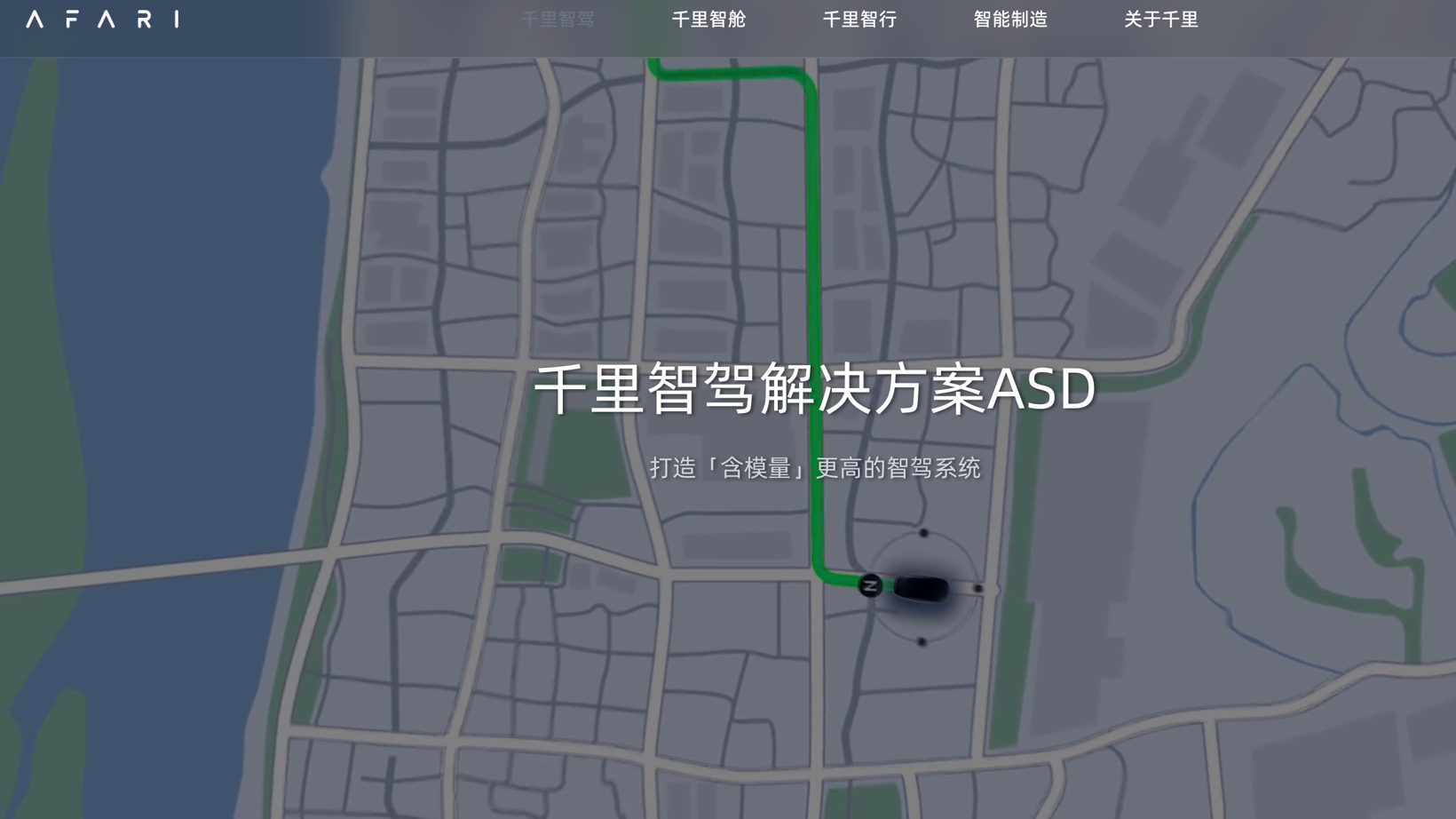
Image Source: Qianli Technology
Financial data shows that traditional manufacturing still drives the bulk of Qianli Technology’s revenue. In 2025, the manufacturing sector generated 9.32 billion yuan—over 90% of total revenue. Passenger vehicles and parts contributed 6.44 billion yuan, up 52.7% year-on-year, while motorcycles and parts brought in 2.48 billion yuan, a 15.9% increase.
Overall gross margins are also recovering. In 2025, the company’s gross margin stood at 10.2%, up roughly 1.2 percentage points from the prior year. Specifically, the margin for passenger vehicles and parts was 6.1%, while motorcycles and parts came in at 12.2%.
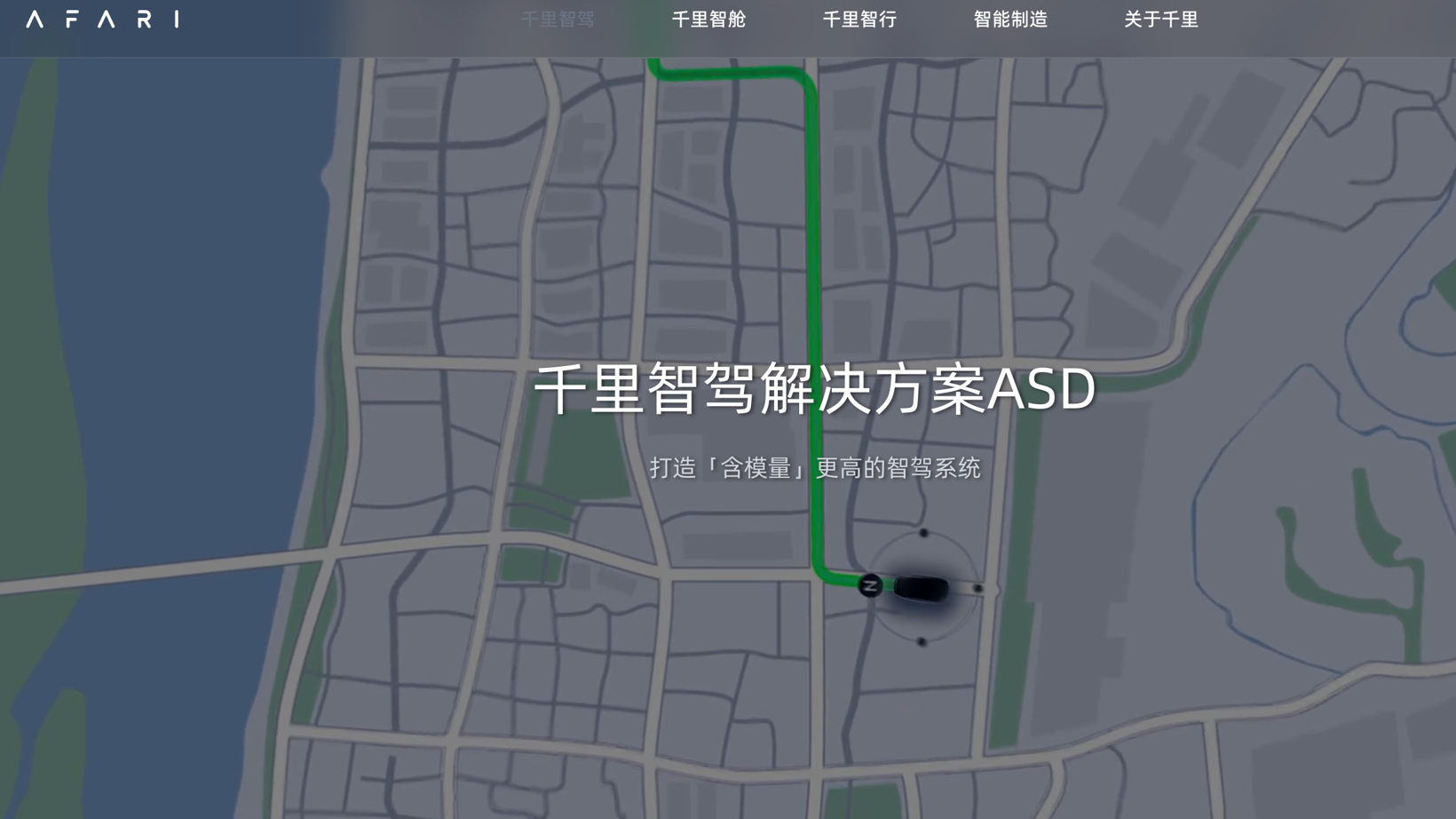
That same year, Qianli Technology disclosed revenue from intelligent driving technical solutions for the first time. According to its financial report and prospectus, this segment generated about 350 million yuan annually, derived mainly from non-recurring engineering services.
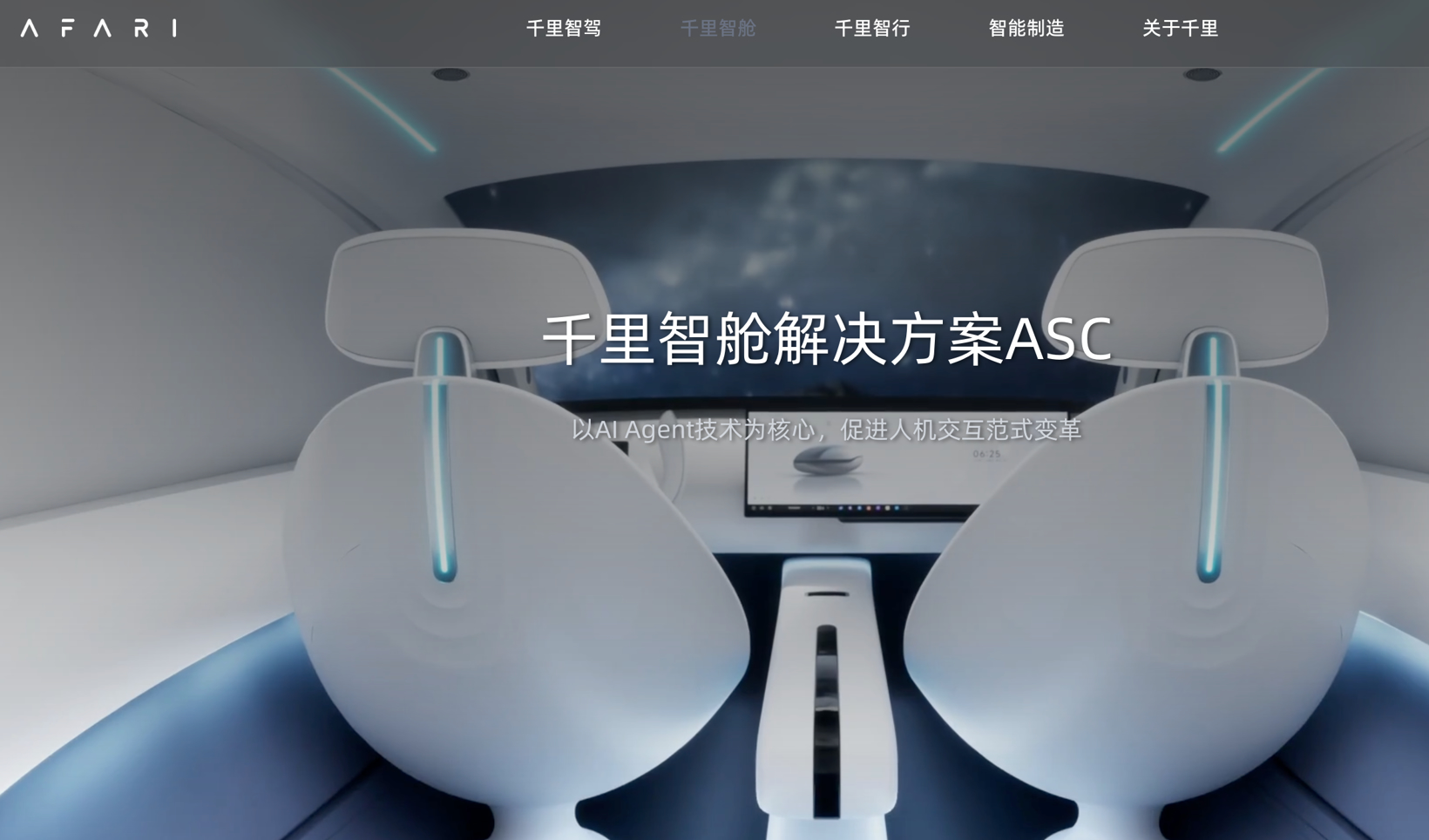
Image Source: Qianli Technology
For now, the technology business remains a small slice of the pie. Qianli Technology’s data shows that intelligent driving-related revenue accounts for less than 4% of total revenue.
Profitability remains under pressure. From 2023 to 2025, the company recorded net losses of 262 million yuan, 329 million yuan, and 321 million yuan, respectively.
Rising R&D spend is a key factor weighing on profits. Qianli Technology noted that the expansion of new tech businesses, a larger research workforce, increased R&D investment, and higher asset impairment losses have all impacted the bottom line.
For Qianli Technology, a Hong Kong listing opens wider financing channels. Over the past year, companies like Seres have completed their “A+H” dual listings. At the same time, intelligent driving, Robotaxis, and AI-related businesses are becoming focal points for Hong Kong investors.
Backed by Geely, Pushing Into AI
Geely has been a central player in Qianli Technology’s business restructuring over the past few years.
Following the 2020 restructuring, Geely gradually transferred vehicle platforms, battery-swapping systems, and supply chain resources to Qianli Technology. Livan Auto has since become a core component of its new energy vehicle business.
As the intelligent driving business advanced, Geely further consolidated internal resources. Public records indicate that Geely merged the ZEEKR intelligent driving team, parts of the Geely Research Institute, and Megvii’s autonomous driving unit to form Chongqing Qianli Intelligent Driving. The combined workforce now totals nearly 3,000 people.
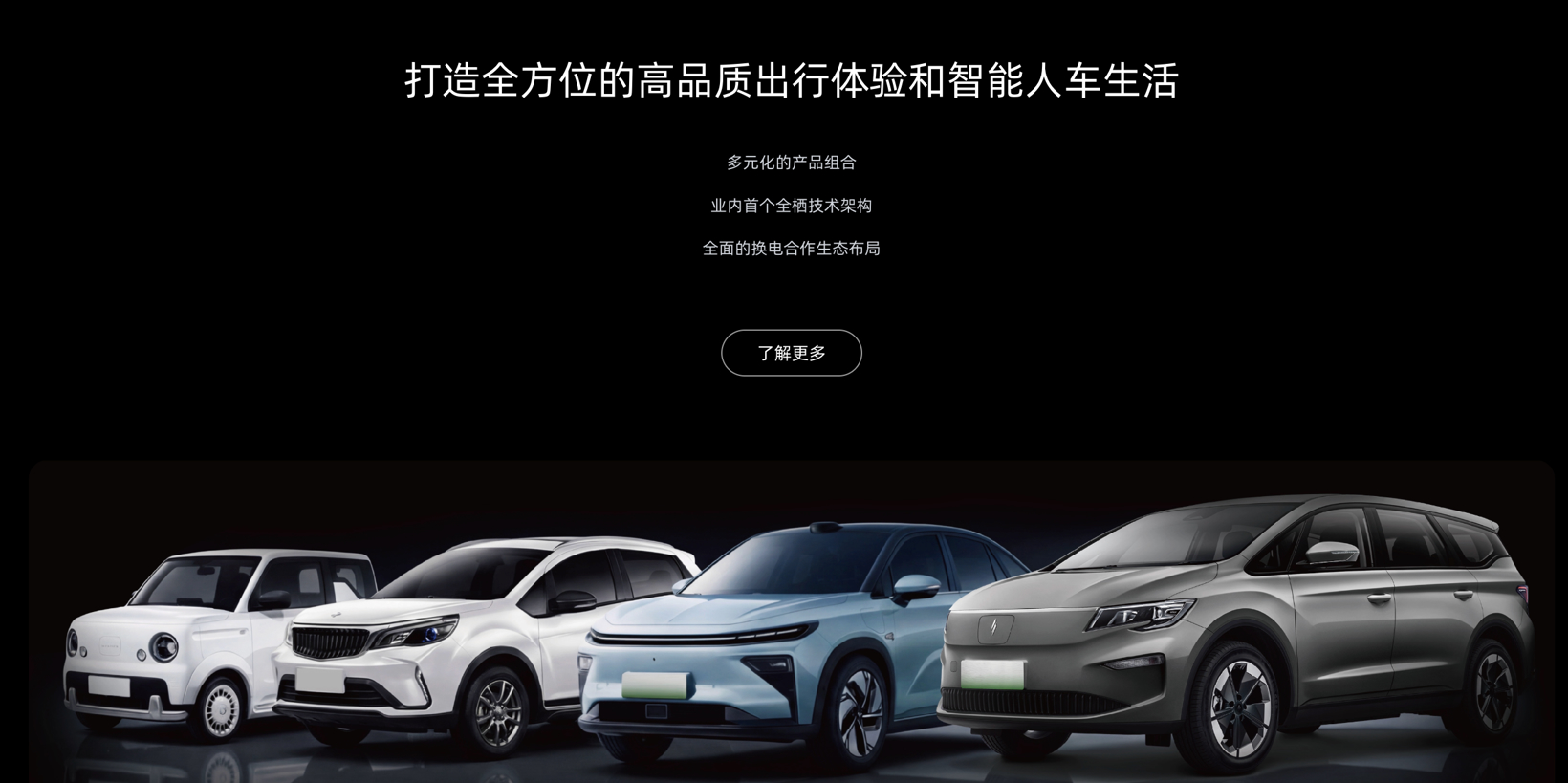
Image Source: Qianli Technology
Currently, Qianli Technology is supplying Level 2 to Level 4 intelligent driving solutions to the Geely ecosystem through Qianli Intelligent Driving. The company’s goal for 2026 is to achieve mass production and delivery of 1 million intelligent driving vehicles, covering Geely models priced over 200,000 yuan, while striving to break even within the year.
Beyond Geely, Qianli Technology has recruited several executives with backgrounds in AI, consumer electronics, and the auto sector over the past year. In February, former Honor CEO Zhao Ming joined as co-chairman. Subsequently, Chen Ting from Mercedes-Benz China’s investment and M&A division, along with Liu Yunhao—an academician at the Chinese Academy of Sciences and professor at Tsinghua University—joined as non-executive and independent directors, respectively.
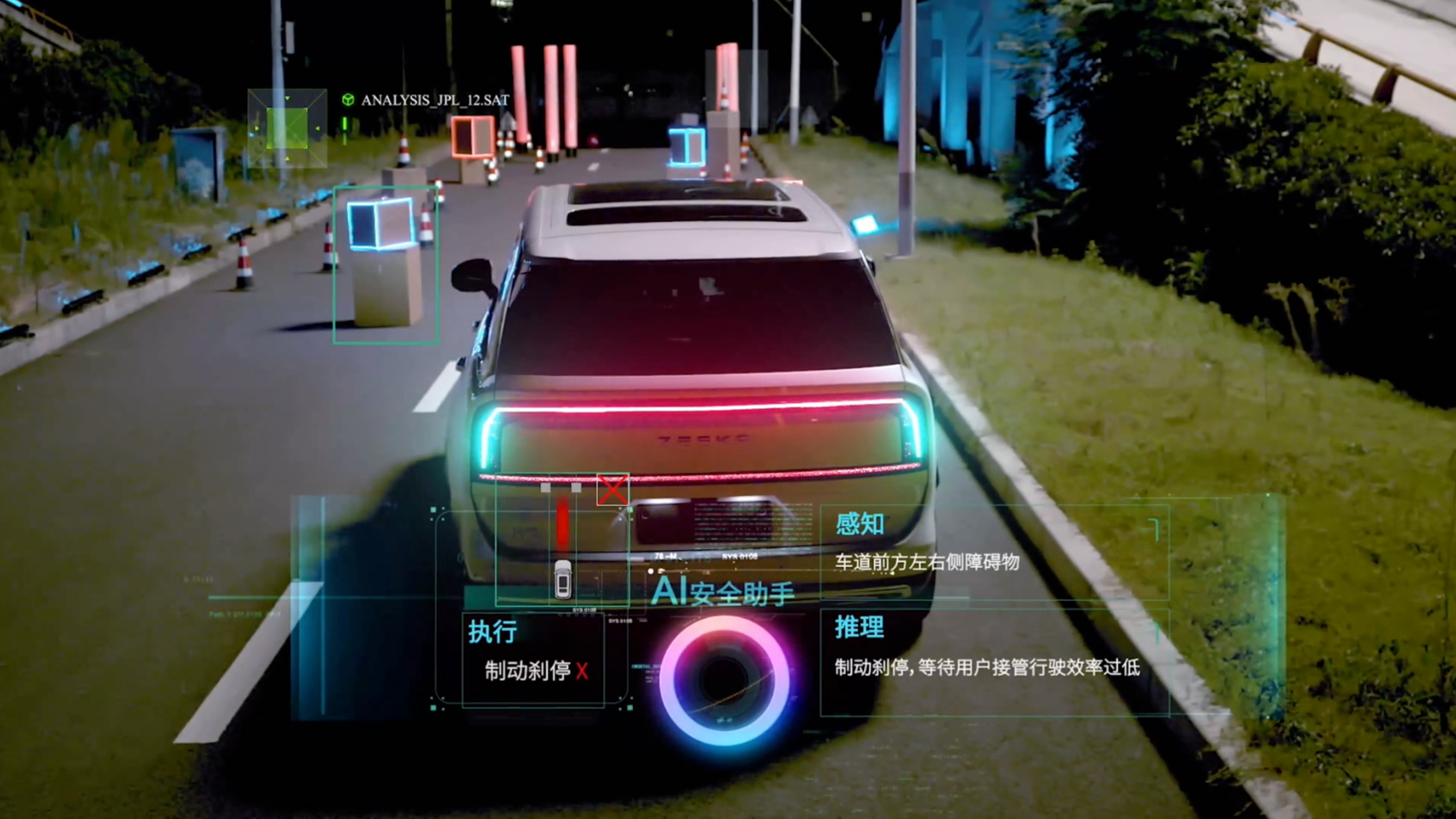
Image Source: Qianli Technology
Meanwhile, Yin Qi recently took the helm as chairman of StepFun. According to company disclosures, Qianli Technology plans to collaborate with StepFun and Geely to develop the next-generation Agent OS for smart cockpits.
Yet, despite the rapid transformation, Qianli Technology remains heavily reliant on the Geely ecosystem. The prospectus reveals that revenue from the Geely Group accounted for 33.6%, 30.8%, and 29.6% of total revenue from 2023 to 2025, respectively. Clearly, the company’s business activities are still largely concentrated within Geely’s orbit.
At this stage, Qianli Technology is still running traditional manufacturing and AI businesses in parallel. As it pushes forward with its Hong Kong IPO, the market will be watching closely to see how its intelligent driving, smart cockpit, and Robotaxi operations progress toward mass production and commercialization.