Polling and political texts
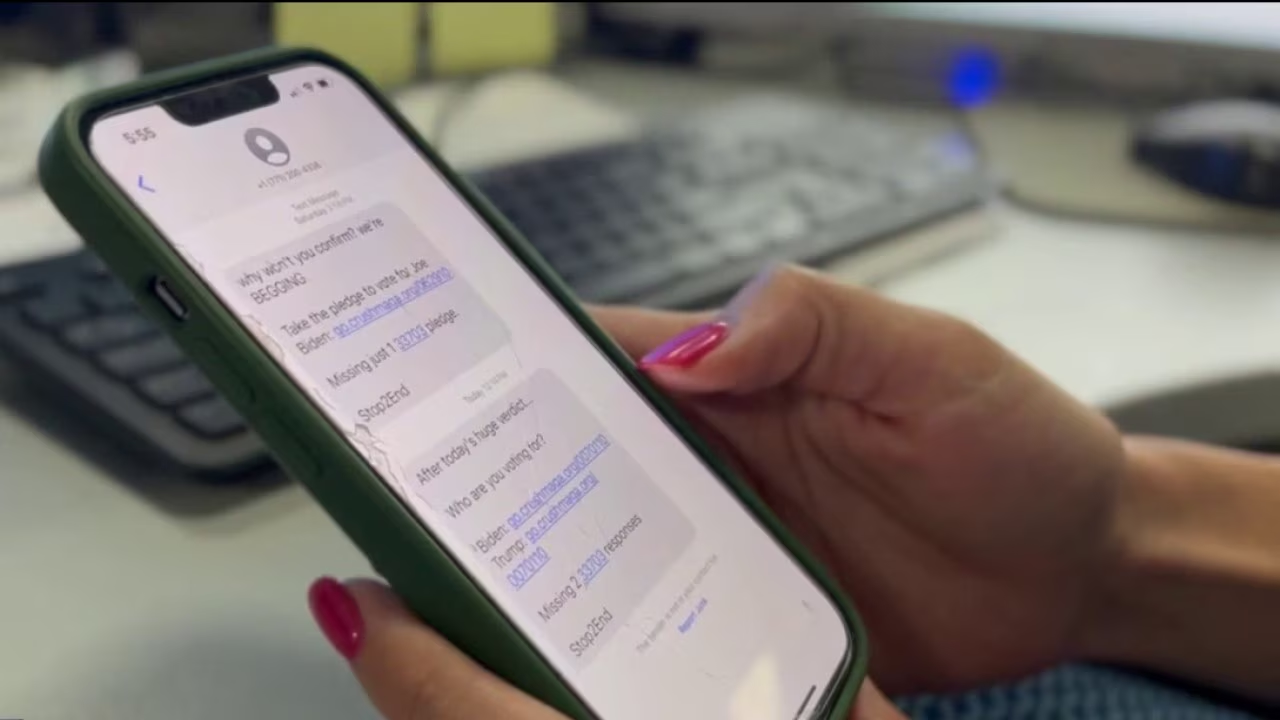
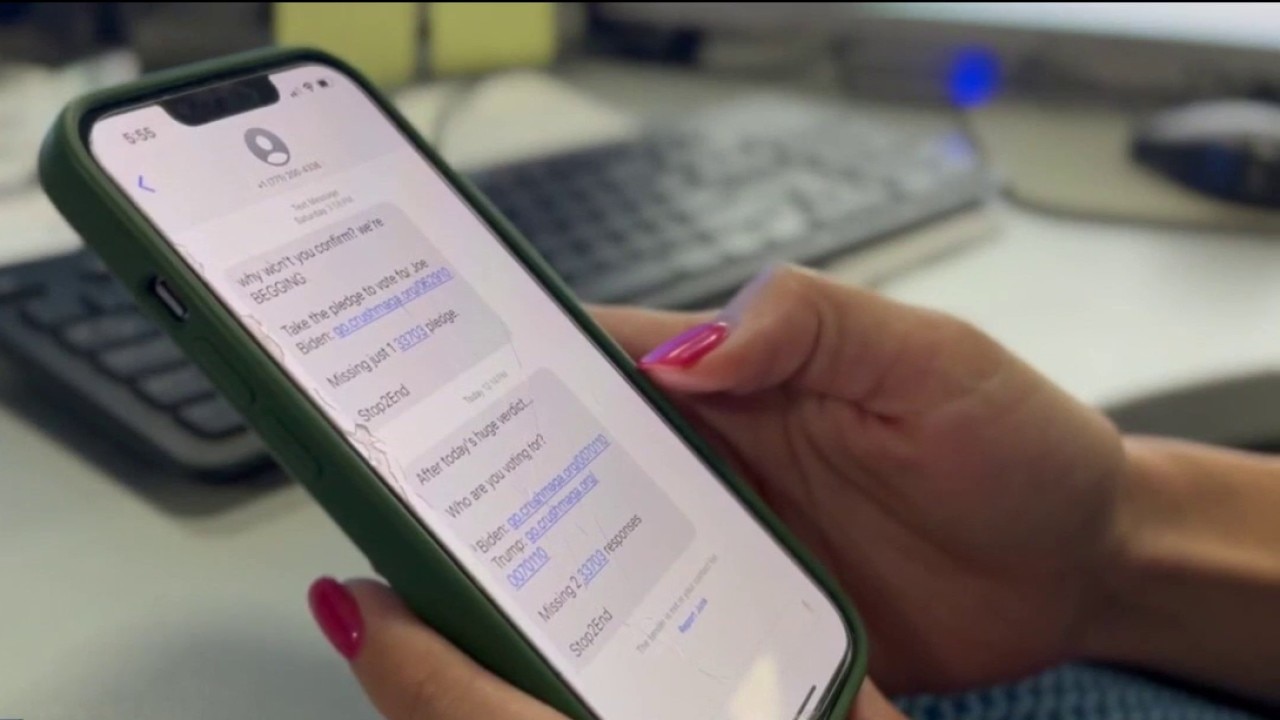
Campaign text messages and mobile polling requests are flooding phones across the nation as candidates rush to reach voters ahead of upcoming primary elections. FOX 13’s Briona Arradondo reports.
TAMPA, Fla. – Campaign text messages and mobile polling requests are flooding phones across the nation as candidates rush to reach voters ahead of upcoming primary elections.
Political text messaging strategy
What we know:
Data brokers easily obtain cell phone numbers from routine online purchases, public records and other sources, allowing political campaigns and polling organizations to rapidly distribute mass messages.
University of South Florida Professor Emeritus Susan MacManus explained that texting serves as the fastest and cheapest method for candidates to connect with prospective voters and supporters. While voters initially engaged with the texts, the overwhelming volume has turned the tactic into an invasive nuisance for many recipients.
“I was giving a speech in Orlando today and the woman sitting next to me, because I knew we were going to be talking about this, I asked her all about this. And she was the one that immediately says, ‘I liked them at first, but they’re old news,’” said MacManus.

Campaign text opt-out rules
What we don’t know:
Federal rules established by the Federal Communications Commission explicitly permit political text messages and exempt them from national Do Not Call registries, but the FCC does regulate how the messages are sent. Recipients who wish to stop the messages must individually block numbers or utilize opt-out options.
Former Tampa resident Sherman Christensen noted that he routinely reports the incoming numbers as spam without checking the sender’s identity.
“Say stop to one, 15 more show up,” said Christensen. “I do not even check the names nowadays. Those messages are straight to report spam. Thank you to Apple for putting a little menu to say this is the spam, so I don’t even check that one much anymore.”
Polling credibility in 2026
Why you should care:
Legitimate political pollsters face significant hurdles reaching respondents who fear text-based survey links are artificial intelligence scams. MacManus warned that clicking links inside campaign messages often triggers additional spam texts. Voters seeking factual information about candidates should perform independent web searches or visit official campaign websites directly rather than tapping text links.
The Source: The information in this story was gathered by FOX 13’s Briona Arradondo from interviews with University of South Florida Professor Emeritus Susan MacManus, a former Tampa resident and information from the Federal Communications Commission.