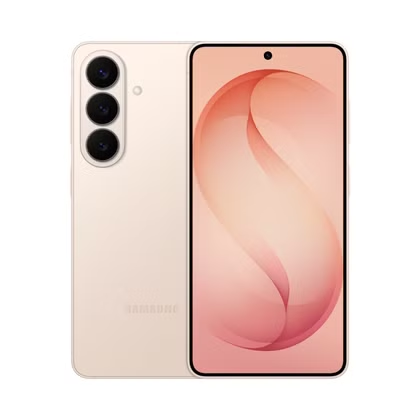
Smartphones have gotten ridiculously good over the years. Screen resolutions went from 480p to 4K, performance has more than quadrupled, and cameras are well over 20MP. They’re super thin and sleek now, too, and yet some would have you believe thickness is still a problem. It’s not.
The physical size of phones is something we don’t talk about in the same way as other advancements. We talk about how they’re bigger and harder to use with one hand, but not about how much thinner phones have gotten. That’s because it’s a problem that was solved long ago. However, that hasn’t stopped the tech industry from acting like it’s still something people care about.
We’ve come a long way
No more bricks in your pocket
Those who have been using smartphones since the early 2000s know how far we’ve come. Devices such as the T-Mobile G1, Motorola DROID, and BlackBerry Curve weren’t much thinner than a deck of cards. The original iPhone was praised for its thinness, yet it was still about as thick as a AA battery.
Phones have been slimmed down dramatically since then, but they plateaued quickly. The Galaxy S started at 9.9mm and was down to 7.9mm just three years later. The original iPhone came in at 11.6mm thick, and five years later, the iPhone 5 was down to 7.6mm. The Nexus One was 11.5mm thick, and by the time Google designed its own phone six years later, the Pixel launched at 8.5mm.
During this period of time in the early 2010s, thickness was a big talking point during phone launch presentations. The year-over-year changes were pretty substantial sometimes. For example, the previously mentioned iPhone 5 was nearly a full 2mm thinner than the iPhone 4. However, when you compare phone generations in the 2020s, there’s sometimes no change at all.
“Thin enough” is good enough
At a certain point, manufacturers realized it wasn’t really necessary to make every new phone thinner than the previous model.
- Over the last 10 years, the base model of the Galaxy S series has been as thick as 8.5mm and as thin as 7.2mm. Yet, the difference between the Galaxy S7 in 2016 and the Galaxy S26 in 2026 is only 0.7mm.
- Similarly, the iPhone has been as thick as 8.3mm and as thin as 6.9mm. Apple was one of the companies that made the biggest deal about thickness, but the iPhone 17 is actually 0.9mm thicker than the iPhone 7.
- Google hasn’t been at it as long, but its trajectory is the same. The Pixel 10 is a mere 0.1mm thinner than the first Pixel from 2016.
-
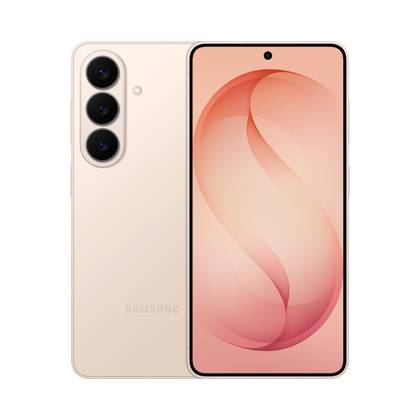
- SoC
-
Snapdragon 8 Elite Gen 5
- Display
-
6.3-inch Dynamic AMOLED 2x
- RAM
-
12 GB
- Storage
-
256 or 512 GB
- Battery
-
4,300 mAh
- Operating System
-
Android
-
- SoC
-
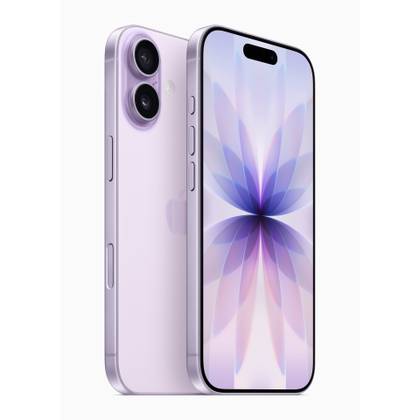
A19 ship
- Display
-
6.3-inches
The newest addition to the Apple iPhone lineup offers new colors, the A19 chip, and the N1 networking chip.
-
- Brand
-
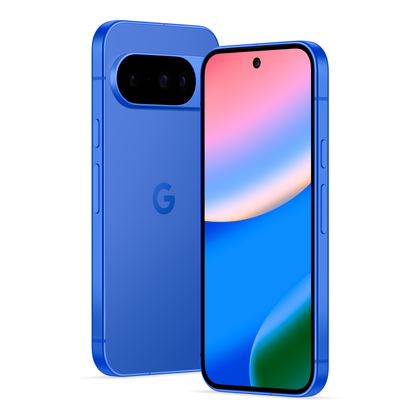
Google
- SoC
-
Google Tensor G5
Looking to upgrade to a Pixel but not sure if you need all the bells and whistles of the more expensive models? You won’t be disappointed with the standard Pixel 10 model. Coming in striking colors, Gemini features, and seven years of updates, you can’t go wrong with this purchase.


Nobody cares about super-thin phones
The sales numbers prove it

The reality is that the thickness of a phone just isn’t an important feature to consumers. Personally, it’s not something I have ever looked at on a spec sheet. I always compare the height and width of a potential new phone to my current phone, but never the thickness. I’m clearly not alone, either.
Last year, Samsung wanted to beat Apple to the punch with a super-thin phone, so it launched the Galaxy S25 Edge. It was impressively only 5.8mm thick (still thicker than a phone from 2016), but no one bought it. Sales of the Edge were only 1/5th of Galaxy S25+—the worst-selling of the main series.
What about that thin iPhone Samsung was trying to beat? Apple launched the iPhone 17 Air a few months later, and it had a similar demise. Sales of the Air were significantly lower than every other iPhone 17 model and even below a couple of the previous generation iPhone 16 models. As cool as these thin phones looked, it didn’t translate to sales.
Thickness is not a hardware problem anymore
The time when people cared deeply about the thickness of their phone is over, and it has been for a while. Google’s Pixel phones are consistently thicker than the competition, but scour r/GooglePixel, and you won’t find people complaining about it. The Galaxy S25 was thinner than the iPhone 17, yet Apple beat Samsung in global shipments for the first time in 14 years.
In fact, saying thickness isn’t a problem is an understatement. Time and again, people say they would trade thinness for a bigger battery—and it’s not close. This is simply not a thing that matters, and it’s time we stop pretending it does.

We Don’t Need Slimmer Phones, But You Might Want One Anyway
Phones are finally fun again.