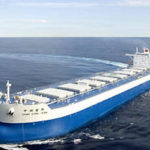

The queue of laden Panamaxes waiting to berth in China has elongated in recent weeks, driven by two overlapping forces. Inland, a wave of mine safety suspensions in Shanxi triggered a surge in seaborne coal imports that southern terminals are unable to absorb. Offshore, successive typhoons have slowed discharges. As a result of these two factors, congestion is rising at Chinese ports.
1. Shanxi’s mines go quiet: A fatal mine explosion in late May at the Liushenyu mine in Shanxi province killed at least 82 people, making it the deadliest coal mining disaster in China in more than 16 years. This triggered massive safety crackdowns across Shanxi province, forcing widespread mine closures and production halts. By mid-June, the regulatory response led to the suspension of 148 mines; 97 had restarted, and 51 remained closed. Even those reopening are running 20 to 30% below earlier levels, as many had previously operated beyond capacity.
Safety inspections expanded beyond Shanxi into Shandong and Hubei, suggesting regulators are treating this as a systemic compliance failure rather than a site-specific incident. Following this, global coal shipments to China jumped in June as the country moved to offset weaker domestic supply and meet higher electricity demand. Coal now accounts for more than half of the laden Panamax cargo queuing at Chinese terminals.
2. The weather factor: Before Typhoon Bavi arrived, Southern China was already dealing with conditions that slowed discharge. Heavy rainfall across southwest and northeast China, along with Typhoon Maysak tracking across southern and eastern coastal areas in early July, lowered coal burn and slowed discharge operations.
With less coal going out of the stockpile, terminals filled up. Southern ports, including Futian, Guangzhou, Xiamen and Zhuhai, are reported at near-full or full coal storage. The queue lengthened as vessels arrived but could not discharge, not because of a collapse in demand, but because terminals were filled up. Laden Panamax congestion has risen steadily through June and into July, with the steepest climb in the past two weeks.

The oversupply paradox
Panamax vessel deliveries are projected to reach a record high in 2026, with 15 mdwt of new capacity entering the market, up from roughly 11-12 mdwt in the previous year. On paper, that is a headwind for rates. In practice, congestion is absorbing effective supply before it reaches the market. Vessels tied up at anchor for Chinese coal terminals are not available to trade in the market.

What to expect
The short-term trajectory cuts both ways. If coal stockpiles at southern terminals ease and discharge rates pick up post-Bavi, the queue could shorten. Reduced import demand would follow, and chartering activity into China could soften. On the other side, conditions in the Strait of Hormuz remain uncertain, which means alternative energy demand in Korea, Japan and the EU could stay elevated for longer, keeping the global coal trade firm. Meanwhile, El Nino is expected to further boost demand, as drought-like conditions in northern China could hurt hydropower output, and harsh weather could drive up air-conditioning demand.

Drewry believes that the Panamax market is caught between two competing forces: a delivery-driven supply surplus on paper and a congestion-driven supply squeeze in practice. For now, the congestion is winning.
Source: Drewry