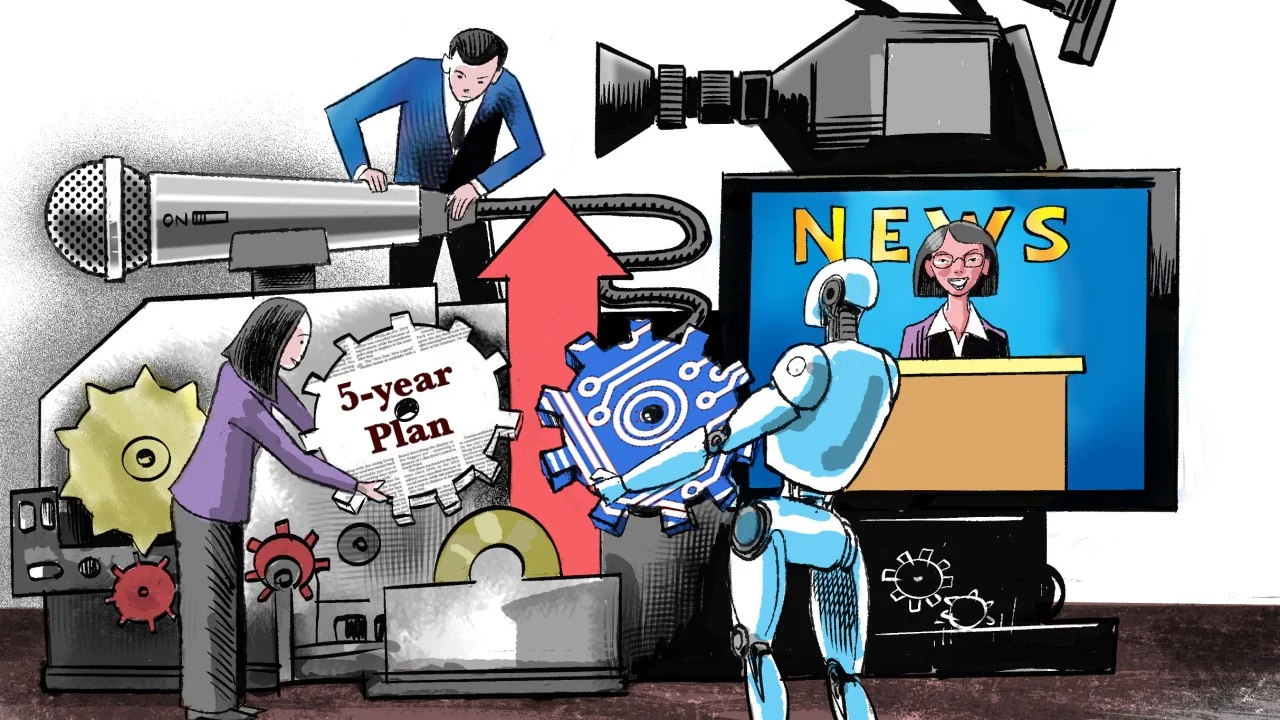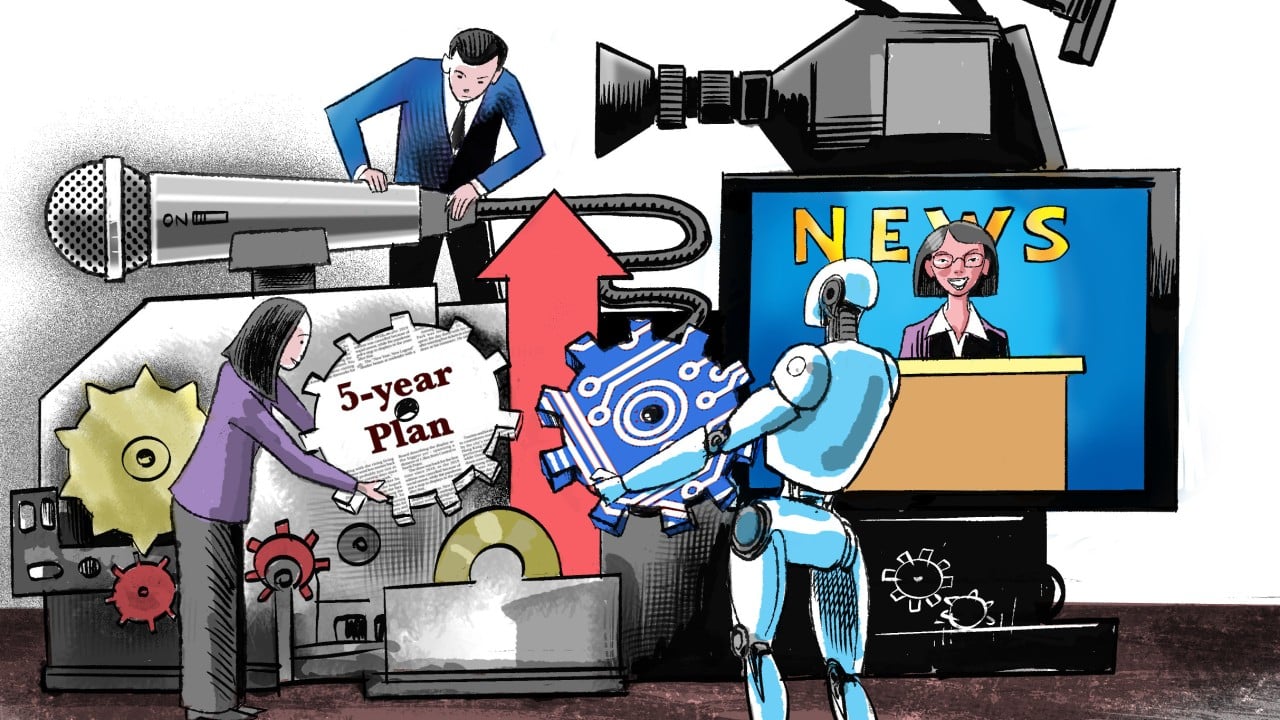
Mainstream media, particularly in Hong Kong, have historically been conservative in their research and development spending. Media executives prefer to shop for off-the-shelf solutions, treating technology as back-office support rather than a core growth engine.
This mode of operation now faces an existential challenge amid the explosive growth of
artificial intelligence (AI), large language models and Web3 technologies. Concurrently, these developments offer Hong Kong’s media industry fresh opportunities, particularly as such innovations have been identified as key components of China’s 15th five-year plan and, by extension, a focus of Hong Kong’s alignment with the national strategy.
One of the bottlenecks in AI development is the lack of high-quality, verified data that encompasses local culture and nuances. Professional journalism, in-depth reports and historical archives held by traditional media can be a gold mine for good
model training.
International publishers have already pivoted to monetise these assets. News Corp recently signed a deal worth a reported US$250 million over five years with OpenAI. The Associated Press, Reuters and a growing list of publishers are building recurring revenue from content they already own.
Hong Kong has remained largely an idle observer. This passivity risks more than missed financial opportunities. It brings security and cultural concerns. As younger generations increasingly rely on AI models to synthesise information and understand the world, the data used to train these models becomes the new frontier of the global narrative war. If local media companies do not actively invest in processing, protecting and commercialising their data, the digital narrative of Hong Kong will be written by external models trained on unverified or biased sources.
Addressing this requires a fundamental shift from both the industry and the government. The Hong Kong government encourages
AI adoption in traditional sectors through programmes such as the Enterprise Support Scheme (ESS) under the Innovation and Technology Fund (ITF). Yet as of March 2024, the ESS Assessment Panel had approved 220 projects out of 762 applications. The beneficiaries were almost exclusively deep-tech start-ups, biomedical firms, microelectronic companies and software-as-a-service developers. Not a single media outlet was among them.
Source link
Visited 8 times, 1 visit(s) today