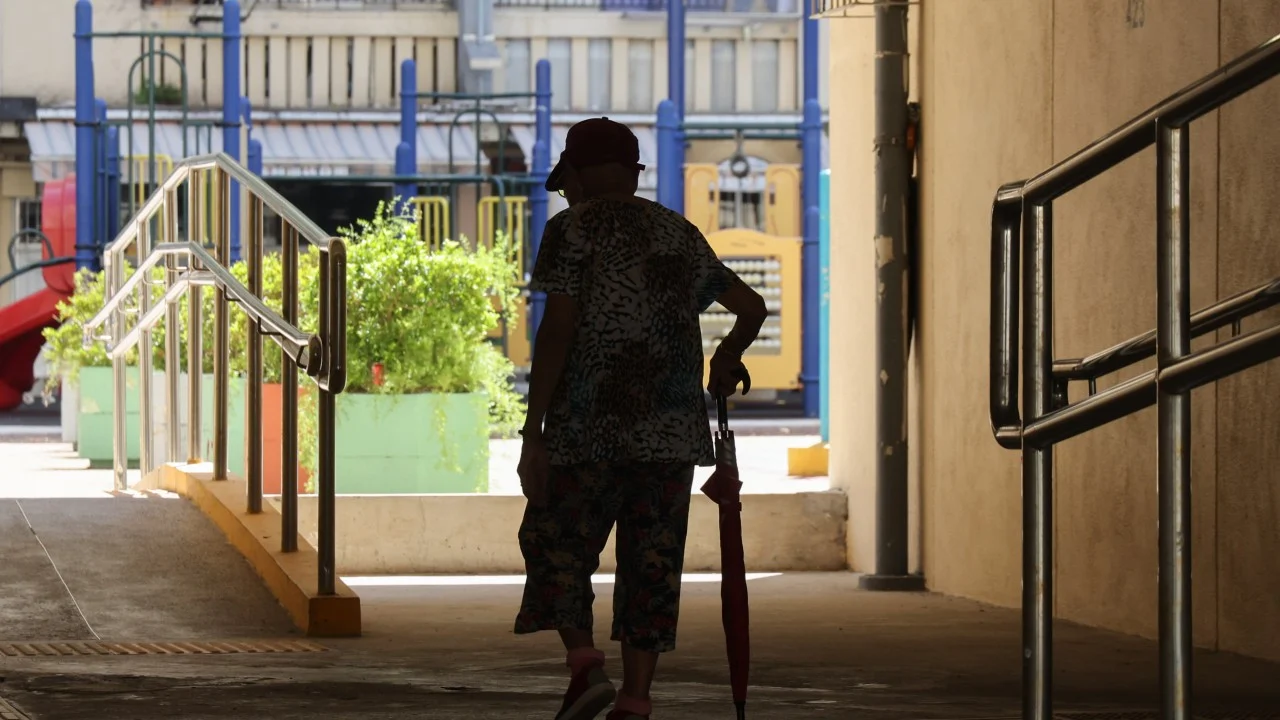
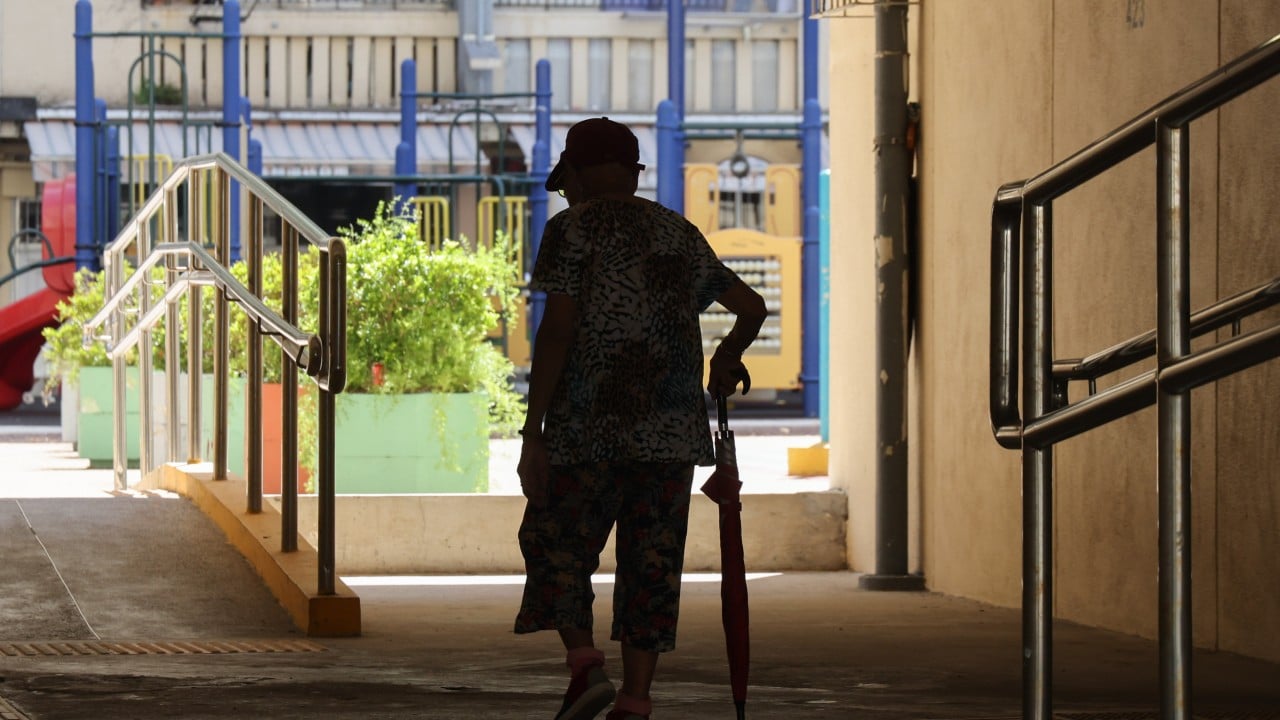
With more than one in three Hongkongers estimated to be 65 or older by 2050, the city must decide whether to spend the coming years improving an overburdened healthcare system or to entirely transform the structure to address the silent epidemic of mental health crises among the elderly.
Hong Kong is expected to have the world’s oldest population by 2050. While longevity is a remarkable indication of good health and an excellent medical system, it also comes with challenges beyond those of physical health. Many older adults struggle with isolation, confined living conditions and a lack of meaningful social connection, which can affect both mental and physical well-being.
Forgetfulness, persistent sadness, lack of appetite, unexplained pain in the body, changes in sleep patterns, and social withdrawal are often dismissed, seen as part of grieving for a loved one or shrugged off as part of ageing – reactions which prevent better mental health support and an early diagnosis.
The normalisation of emotional and behavioural changes in older adults that ought to attract concern, on top of the stigma of mental health issues, has greatly prevented them from seeking professional help, exacerbating the conditions in later life.
The causes of mental health conditions are complex and systemic. On the surface, it is the slow, cumulative grief of losing loved ones, decreasing mobility and independence, and changes in physical health and cognitive abilities. Research shows a correlation between the mind and the body, with patterns of chronic illnesses, like heart and joint diseases, directly tied to higher risks of depression and dementia. A decline in physical health can take a toll on mental well-being.