In my experience, most people misunderstand the concept of “separation of powers”, and so I would not be at all surprised if most people also misunderstand the term “executive-led government”. In the case of separation of powers, the confusion usually arises from the use of the word “separation”. It connotes a meaning of absolute independence or alienation. A better word would have been “division”.
In a way, they are two sides of the same coin. The difference between various systems of government usually relates to the degree of the division of power and how those powers are exercised, rather than the constitutional order of that system of government.
Take the United Kingdom’s system of government as an example. It is what is called a parliamentary system, under which parliament is supreme. The majority party in parliament gets to form the government. This government is answerable to parliament to the extent that parliament can bring down a government; but once it is formed, the executive government has the power to introduce laws, parliament gets to pass them and the courts get to interpret and apply them, with the government then executing or enforcing them.
This cycle of exercise of power under a clear division of powers forms the backbone of how a country is governed. But is there clear and absolute separation? Hardly. The executive and parliament are closely connected. Before the establishment of the supreme court, the highest UK court was in essence a committee of the House of Lords.
I could be the only person in Hong Kong who has attended a hearing and taken judgment in the House of Lords as a pupil. In those days, after the delivery of a judgment, a law lord would have to stand up in the House of Lords to move for the adoption of the judgment; so much for the separation of powers. The reason a supreme court was set up in the UK recently is for the very purpose of conferring a clearer perception of independence.

04:21
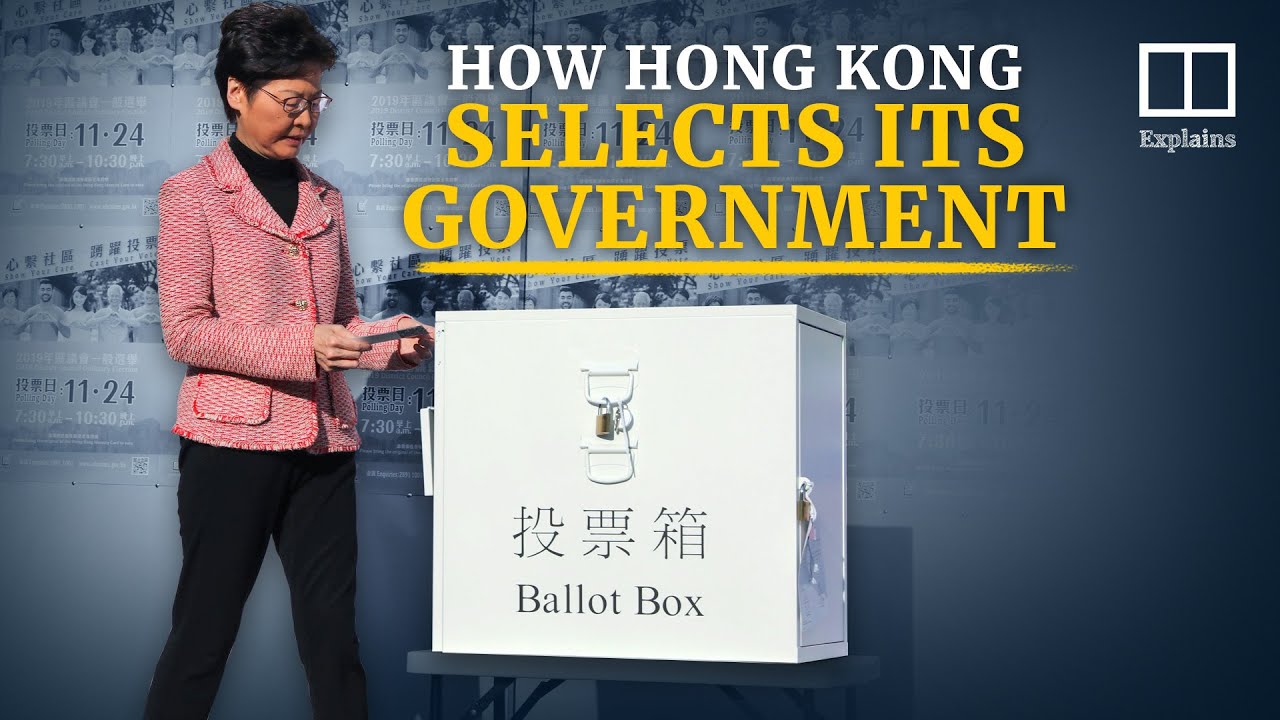
How does Hong Kong select its government?
How does Hong Kong select its government?