New Fed Chair Kevin Warsh Wants to Blow Up the Playbook That’s Kept Stocks Rising for 15 Years. Here’s What Investors Should Do Now.
Uncategorized
New Fed Chair Kevin Warsh Wants to Blow Up the Playbook That’s Kept Stocks Rising for 15 Years. Here’s What Investors Should Do Now.
011 mins
A 15-year boom. That’s pretty much what we have had since the Federal Reserve began its second round of quantitative easing (buying U.S. Treasuries) in 2010, following the initial quantitative easing during the Great Recession. This initiative, known as QE2, paved the way for the S&P 500(SNPINDEX: ^GSPC) to skyrocket more than 6x.
Sure, there were a few bumps along the way. Stocks fell briefly at the outset of the COVID-19 pandemic in 2020 and, largely as a result of its aftereffects, again in 2022. However, the Fed’s balance sheet served as the quiet engine powering a strong bull market.
Will AI create the world’s first trillionaire? Our team just released a report on the one little-known company, called an “Indispensable Monopoly” providing the critical technology Nvidia and Intel both need. Continue »
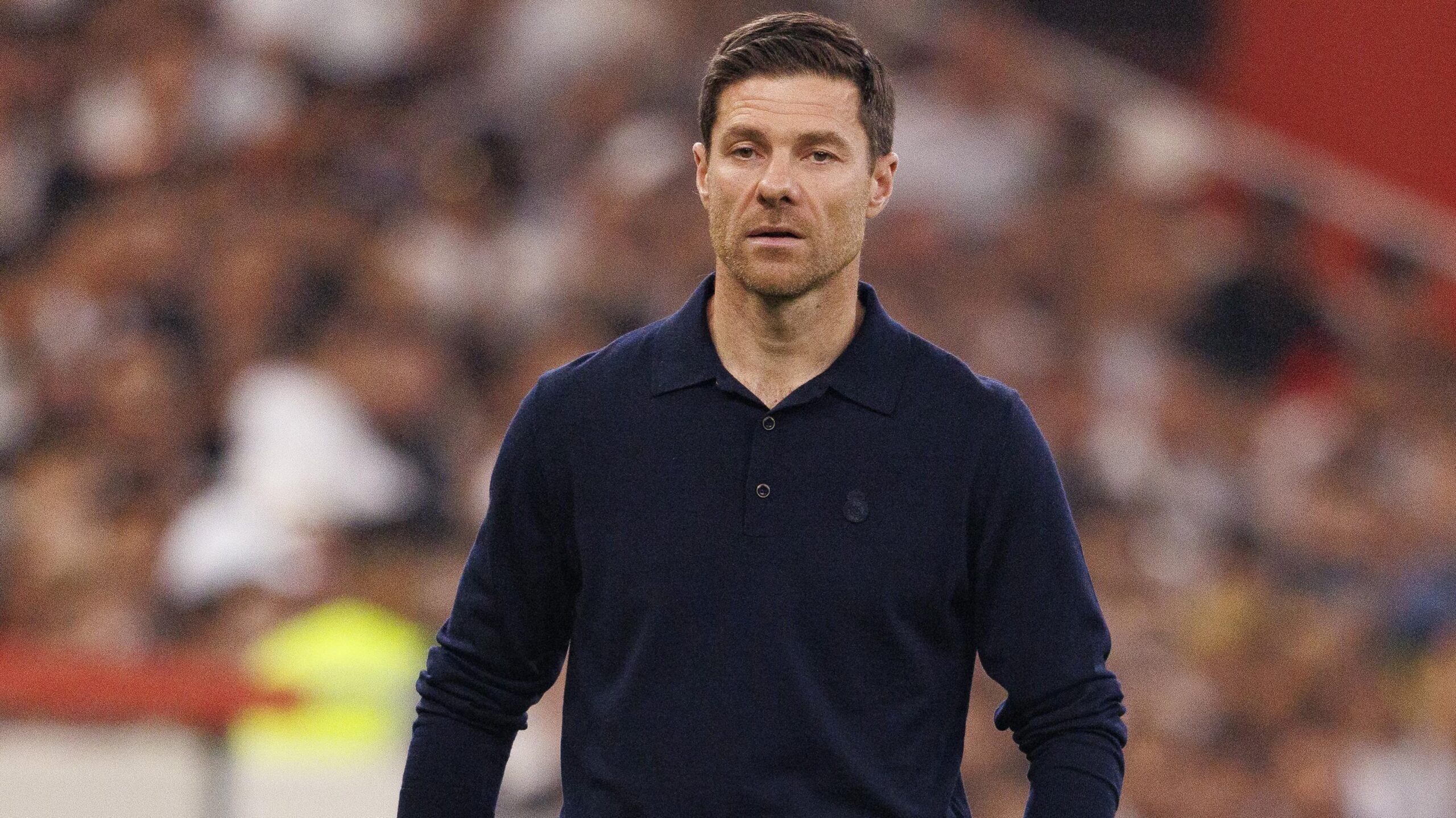
But now there’s a new person at the helm of the Federal Reserve with a different vision. Kevin Warsh has succeeded Jerome Powell as the Fed chair. And he wants to blow up the playbook that has helped keep stocks rising for the last 15 years.
Image source: Getty Images.
A shrinking feeling
Warsh has repeatedly stated his goal is to aggressively reduce the Fed’s balance sheet, which currently totals around $6.7 trillion. To put that number in perspective, the Fed’s total assets were roughly $900 billion before the 2008 financial crisis.
He makes a good argument that the Fed’s gigantic balance sheet distorts financial markets too much. Warsh doesn’t want the Fed to play as big a role as it has in the past in propping up markets. He believes that the Fed should use interest rates rather than its balance sheet. Warsh stated during his Senate confirmation hearings that the Fed’s balance sheet “disproportionately helps those with financial assets.”
If Warsh successfully achieves his objective of shrinking the Fed’s balance sheet, there will likely be significant impacts in the bond market. Bond prices could fall, and yields rise due to a sharp decline in central bank buying. However, the stock market is closely linked to the bond market in some ways. Higher bond yields increase companies’ borrowing costs. Those higher costs reduce the companies’ ability to invest and hit their bottom lines.
Perhaps the biggest change, though, is a psychological one. Investors have become accustomed to the Fed stabilizing markets using its balance sheet as a tool. As a result, they were more willing to take on risks that they might not have otherwise. Warsh could remove a safety net that many assumed would always be there.
Steps investors can take now.
What should investors do to prepare for a potential drastic reduction in the Fed’s balance sheet and its repercussions? One key step is to reduce exposure to the stocks that are most dependent on QE. For example, tech stocks with sky-high earnings multiples could see their valuations reduced as higher discount rates are applied to their projected future earnings.
Investors should also consider increasing their exposure to sectors that could benefit from a smaller Fed balance sheet, such as financials. In particular, look at the stocks of high-quality companies in those sectors that generate reliable cash flow and have fortress-like balance sheets. Berkshire Hathaway(NYSE: BRKA)(NYSE: BRKB) is one stock that immediately comes to mind.
If you invest in bonds, shift to shorter-duration alternatives. When bond yields rise, you don’t want to be stuck owning long-duration bonds with lower yields locked in.
Expect volatility. When a new Fed chair arrives with a significantly different vision for the central bank’s role, there will naturally be heightened uncertainty. And where there’s uncertainty in the market, volatility usually increases. Investors may want to build cash to be in a position to take advantage of the volatility.
Above all, though, maintain a long-term perspective. A shrinking Fed balance sheet won’t be catastrophic. Markets will adapt over time to any changes under Warsh’s leadership. The Fed is important to the stock market, but it’s not all-important.
End of the “Fed put”?
The Federal Reserve’s willingness to intervene by cutting interest rates or providing liquidity through its balance sheet is often referred to as the “Fed put.” Just as a put option protects investors from a sharp decline in an asset price, the “Fed put” has provided a cushion for the overall market.
Will Warsh bring the end of the “Fed put”? Maybe, but not necessarily. For one thing, he must first convince enough of his fellow Federal Reserve members to go along with his strategies. That could be easier said than done.
Perhaps the most likely scenario is one put forward by Citadel Securities’ Frank Flight. He wrote earlier this year that Warsh’s desire for a smaller Fed balance sheet “means that the Fed Put is somewhat deeper out of the money but remains present in the event of a real crisis.” If Flight is right, Warsh won’t blow up the Fed playbook that has fueled tremendous stock market gains for years. Instead, he will just put the playbook away to be pulled out only when absolutely needed.
Don’t miss this second chance at a potentially lucrative opportunity
Ever feel like you missed the boat in buying the most successful stocks? Then you’ll want to hear this.
On rare occasions, our expert team of analysts issues a “Double Down” stock recommendation for companies that they think are about to pop. If you’re worried you’ve already missed your chance to invest, now is the best time to buy before it’s too late. And the numbers speak for themselves:
Nvidia:if you invested $1,000 when we doubled down in 2009,you’d have $584,450!*
Apple: if you invested $1,000 when we doubled down in 2008, you’d have $57,222!*
Netflix: if you invested $1,000 when we doubled down in 2004, you’d have $469,293!*
Right now, we’re issuing “Double Down” alerts for three incredible companies, available when you joinStock Advisor, and there may not be another chance like this anytime soon.
Keith Speights has positions in Berkshire Hathaway. The Motley Fool has positions in and recommends Berkshire Hathaway. The Motley Fool has a disclosure policy.