
I wrote a column a couple of years back emphasizing the importance of lifestyle changes including the role of diet as potentially important factors in relation to Alzheimer’s and associated dementias. It seems highly relevant to understand and emphasize these approaches as the incidence of Alzheimer’s continues to climb.
According to The Mayo Clinic, research shows that lifestyle and dietary choices can influence brain health and may help reduce the risk or slow the progression of Alzheimer’s disease. While genetics and aging are major factors, most Alzheimer’s cases are “complex diseases” shaped by multiple environmental and behavioral influences.
Prevalence
According to the Alzheimer’s Association, more than 7 million Americans are living with Alzheimer’s disease, with an estimated 7.4 million of those aged 65 and older About 74% of people with Alzheimer’s are age 75 or older, and roughly 1 in 9 older adults (11%) has the disease.
Focusing on dietary intervention
The following are some fairly simple ways to “tweak” your diet that might help reduce your Alzheimer’s risk. Ten good foods to consume and five that you might seriously consider avoiding have been recommended by the Mayo Clinic.
Have you heard of the Dietary Approaches to Stop Hypertension (DASH) diet for high blood pressure or the Mediterranean diet for heart health? When it comes to protecting your brain health, a hybrid of the two eating styles may be best.

The Mediterranean-DASH Diet Intervention for Neurodegenerative Delay, or MIND diet, targets the health of the aging brain. This eating pattern goes big on natural plant-based foods while limiting red meat, saturated fat and sweets. And observational studies suggest the diet can reduce the risk of developing Alzheimer’s disease by up to 53 percent as well as slow cognitive decline and improve verbal memory.

Researchers developed the diet by looking at the Mediterranean and DASH diets, then focusing on the foods with the most compelling findings in dementia prevention. Vegetables, especially leafy greens, rose to the top. In general, fruit didn’t, though berries made the list.
Then researchers tracked detailed eating logs in an older adult population for an average of 4.5 years to uncover trends among the diets of those who developed dementia versus those who didn’t. Their discovery: Older adults whose diets most closely resembled the pattern laid out in the MIND diet had brains as sharp as people 7.5 years younger.
That’s a substantial difference, since delaying dementia by just five years has been suggested to cut the cost and prevalence of the disease in half.
Though research is still evolving, evidence is strong that people can reduce their risk by making key lifestyle changes, including participating in regular activity and maintaining good heart health.

Lifestyle changes
Growing evidence indicates that people can reduce their risk of cognitive decline by adopting key lifestyle habits. When possible, combine these habits to achieve maximum benefit for the brain and body.
According to the Mayo Clinic some key lifestyle changes to support brain health include the following:
-
Control vascular risk factors, including high blood pressure, high cholesterol and diabetes.
-
Eat a balanced diet — such as the Mediterranean diet — that’s rich in vegetables, fruits and lean protein, particularly protein sources containing omega-3 fatty acids.
-
Be physically and socially active, including engaging in aerobic exercise.
-
Maintain a healthy weight.
-
Take care of your mental health.
-
Use thinking (cognitive) skills, such as memory skills.
-
Limit alcohol consumption
Start now. It’s never too late or too early to incorporate healthy habits. Check out the resources which follow for more in-depth information to help address the prevention of Alzheimer’s and associated dementias. Knowledge based on science and “best practices” approaches can give you a step up in understanding and taking and following proactive actions to avoid this debilitating disease.
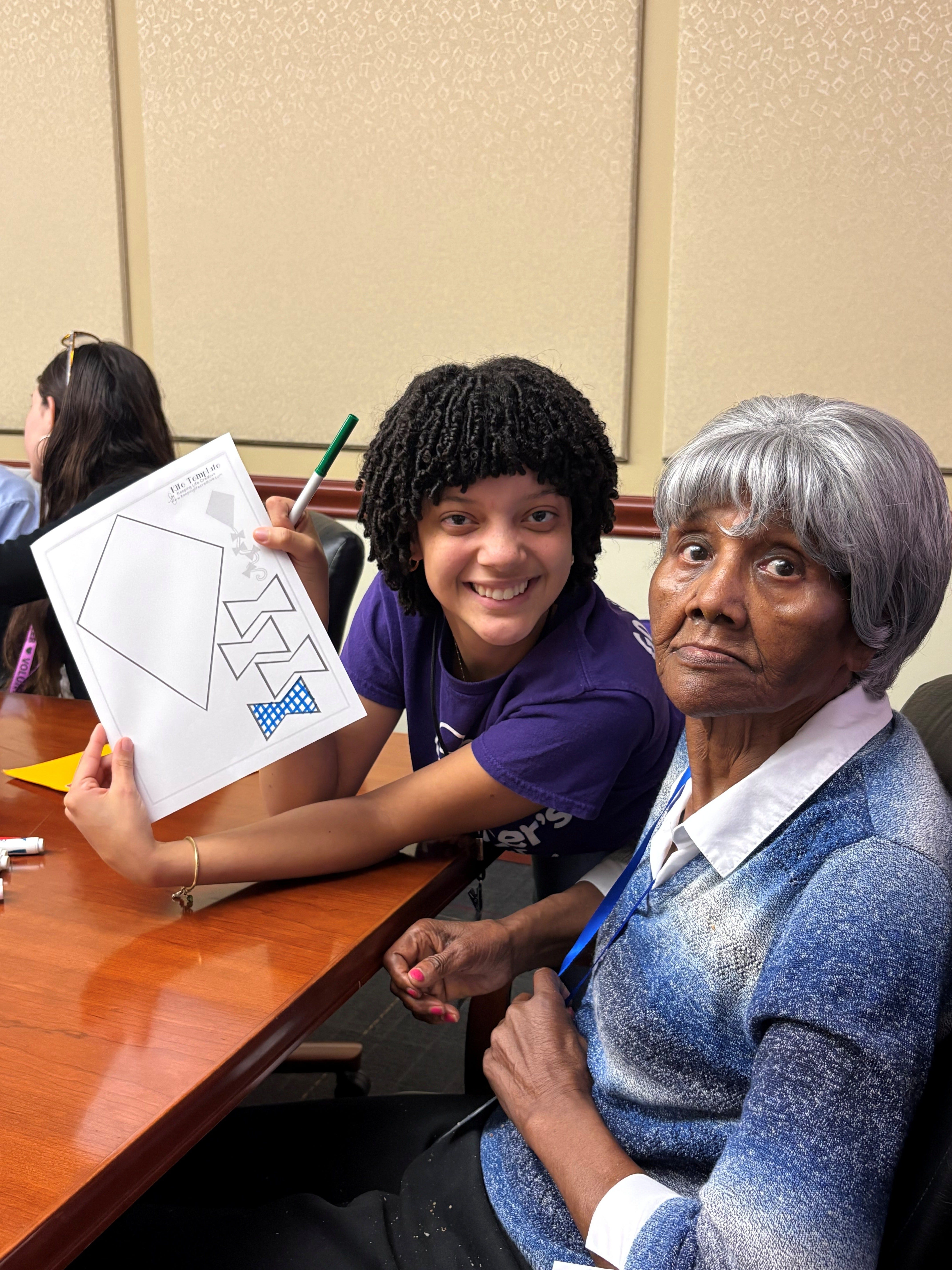
Alzheimer’s support and resources
In Tallahassee and the surrounding area the Alzheimer’s Project is a community service/non-profit organization offering assistance. Contact information is at: alzheimersproject.org. Their telephone number is 850-386-2778.
Additional resource information can be found at the following:
The NIA ADEAR Center offers information and a publication for download (PDF) about Alzheimer’s and related dementias for families, caregivers, and health professionals. ADEAR Center staff answers telephone, email, and written requests and make referrals to local and national resources.
NIA Alzheimer’s and related Dementias Education and Referral (ADEAR) Center: 800-438-4380; adear@nia.nih.gov. Visit nia.nih.gov/alzheimers.
Explore the Alzheimers.gov website for information and resources on Alzheimer’s and related dementias from across the federal government at alzheimers.gov.
Alzheimer’s Association: 800-272-3900; 866-403-3073 (TTY); info@alz.org; .alz.org
Alzheimer’s Foundation of America: 866-232-8484; info@alzfdn.org; alzfdn.org.
Check out this site from Harvard University which focuses on the MIND Diet at: nutritionsource.hsph.harvard.edu.

Mark A. Mahoney, Ph.D., R.D.N, has been a Registered Dietitian/Nutritionist for over 40 years completed graduate studies in Nutrition & Public Health at Columbia University and earned a Ph.D. in International/Intercultural Development Education at Florida State University. He can be reached at marqos69@hotmail.com.
This article originally appeared on Tallahassee Democrat: Lifestyle changes and dietary tweaks can help support brain health