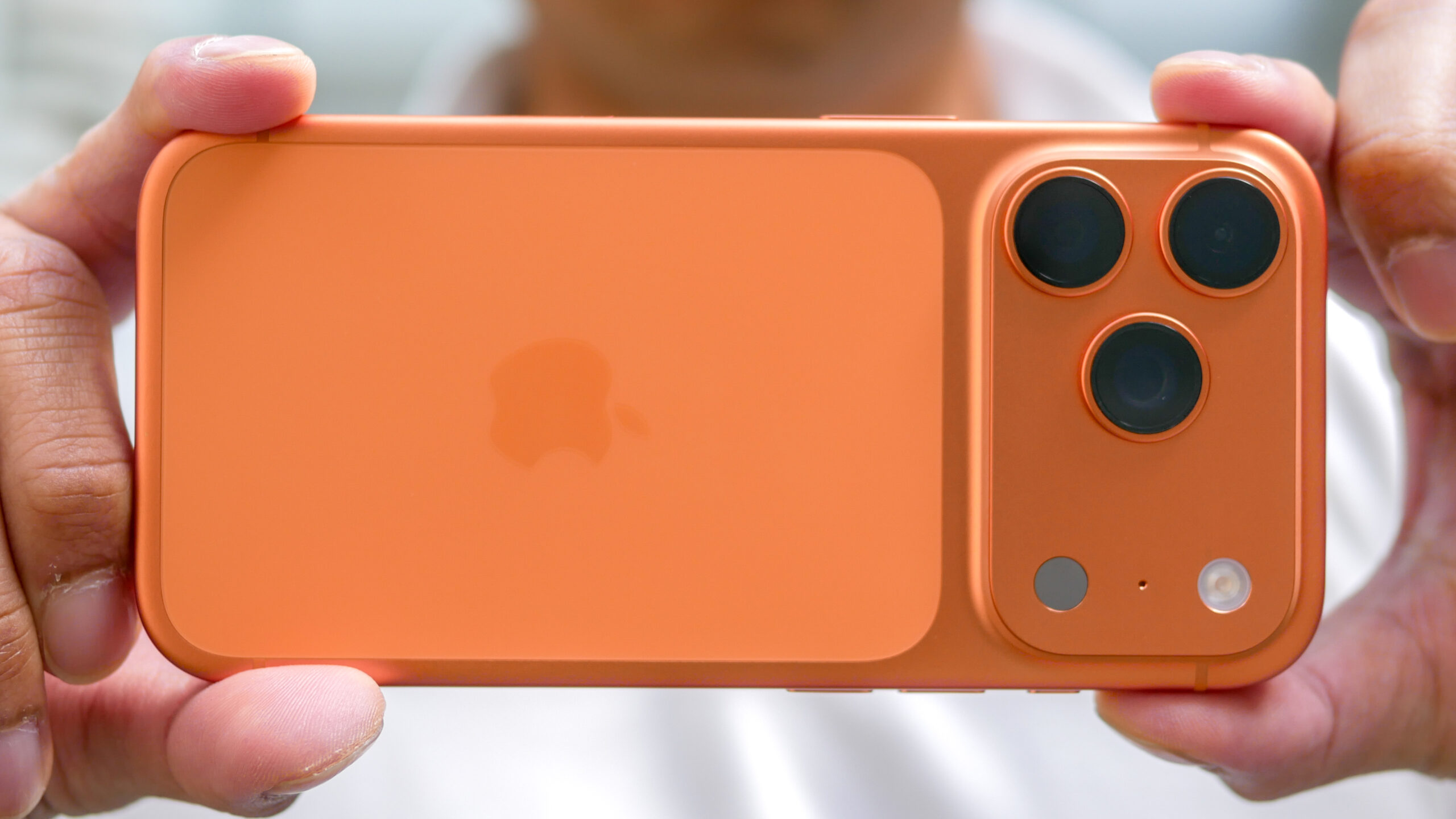
Apple’s fall iPhone launch is tipped for a major shakeup this year because the company isn’t launching all of its typical models at the same time. The base iPhone 18 could be delayed until next year, while the iPhone Ultra (Fold) might debut at another time, possibly in the winter.
That leaves the iPhone 18 Pro and 18 Pro Max as the likeliest models Apple ends up revealing at its usual fall launch event. I’ve tested every iPhone ever released, and these new models have a lot to prove if they want to be memorable. Not only will I break down all the biggest upgrades they’re expected to get, but I’ll also tell you how they stack up against my favorite iPhones of all time.
iPhone 18 Pro and 18 Pro Max: Biggest rumors
Variable aperture

Out of all the rumors floating around, the one about the iPhone 18 Pro and 18 Pro Max getting a variable aperture is the most intriguing. As a camera buff who routinely puts Apple’s devices through intense photo shootouts against the best camera phones on the market, this upgrade has me genuinely excited.

While variable apertures in phones are nothing new, this would be a first for an iPhone. Introducing one to the iPhone 18 Pro models would allow shooters to switch the aperture to something other than the fixed f/1.78 currently used by the iPhone 17 Pro series.
The average person probably won’t have much need for changing apertures, but it is incredibly helpful for dialing in a specific photographic look. For example, you could close the aperture down to f/4.0 or f/8.0 to slow down your shutter speed for a long exposure, making water ripples look silky smooth. Conversely, you could open it wide to f/1.78 to create real separation between your subject and the background.
If this rumor turns out to be true, I just hope Apple finally gives us a true manual mode for photos and videos to actually let us control it.
Larger capacity battery

A massive battery boost is the fastest way for a new phone to earn a spot on my all-time favorite list, and the leaks suggest the iPhone 18 Pro Max is in line for some much-needed extra juice. From the looks of it, Apple is planning to increase the battery capacity for its largest flagship — but there’s a catch.
Since Apple exclusively uses eSIM for its phones in the U.S., the U.S. version of the iPhone 18 Pro Max is rumored to pack a massive 5,425 mAh battery. Meanwhile, versions of the phone sold elsewhere with a physical SIM tray will reportedly top out at 5,235 mAh to accommodate the space required for the physical card slot.
Either way, this is a monumental leap from the iPhone 17 Pro Max’s capacities (5,088 mAh for eSIM and 4,823 mAh for physical SIM). While it still isn’t the cutting-edge silicon-carbon battery tech I see in some rival Android flagships, I’ll gladly take the extra capacity — even if the physical hardware is rumored to make the iPhone 18 Pro Max as the heaviest iPhone ever.
A shrinking Dynamic Island

Ever since it debuted, the Dynamic Island has felt like a clever feature — and Apple’s way of hiding a massive physical display cutout with useful UI animations. Leaked images from not too long ago, purportedly of the iPhone 18 Pro Max, indicate we’re finally getting the hardware evolution we’ve been waiting for.
The leak suggests that Apple has found a way to move key Face ID components completely underneath the glass, allowing the physical punch-hole to shrink significantly on the new iPhone 18 Pro. By packing a much narrower pill into the display, Apple is going to free up precious screen real estate. The Dynamic Island is one of those genuine features I didn’t think was promising early on, but it has since proven to be invaluable for things like tracking live sports scores or Uber arrivals at a glance. Slimming it down is exactly what the front display needs to feel modern again.
A20 Pro chip makes a leap

Since I put all the iPhones I test through a barrage of synthetic benchmarks, I’m eager to see how the iPhone 18 Pro and 18 Pro Max perform. That’s because they’re rumored to be Apple’s first devices to use a cutting-edge 2-nanometer processor.
Switching to TSMC’s 2nm manufacturing process is bound to deliver a substantial performance boost with the A20 Pro. Packing more transistors onto the chip should allow it to easily eclipse the current A19 Pro. At the same time, this efficiency leap should also work wonders for battery life — especially since the new flagships are also tipped to gain a new vapor chamber design to better dissipate heat.
All of this simply means they’ll run faster, stay cooler under load, and stand as the most power-efficient flagships to date.
New shades
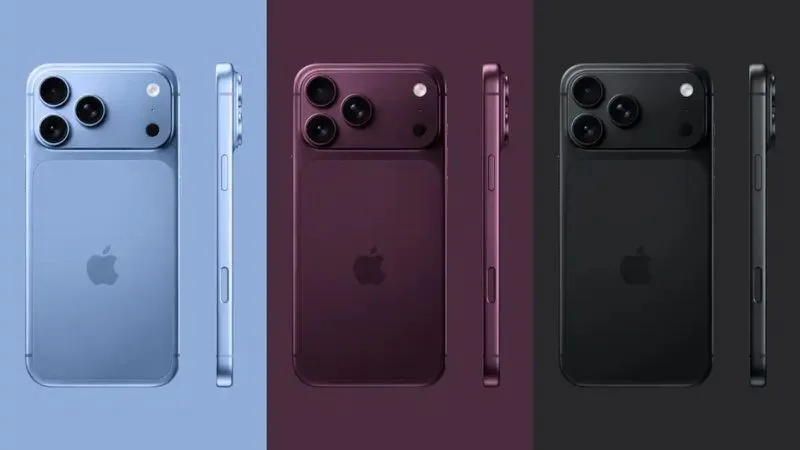
While the iPhone 18 Pro models are expected to recycle the design language introduced by the previous generation, one upgrade I’m always happy about is getting fresh colors. If last year’s Cosmic Orange is any indication of how a color swap can garner attention (and drive sales), then the rumors about the iPhone 18 Pro lineup indicate that Apple is listening.
All-time most memorable iPhones
Now that you know what’s in store for Apple’s upcoming flagships, it begs the question: are these upgrades enough to make them truly memorable? And more importantly, where could they land on my all-time favorite iPhone list? Here is the legendary lineup they’re competing against:
The original iPhone
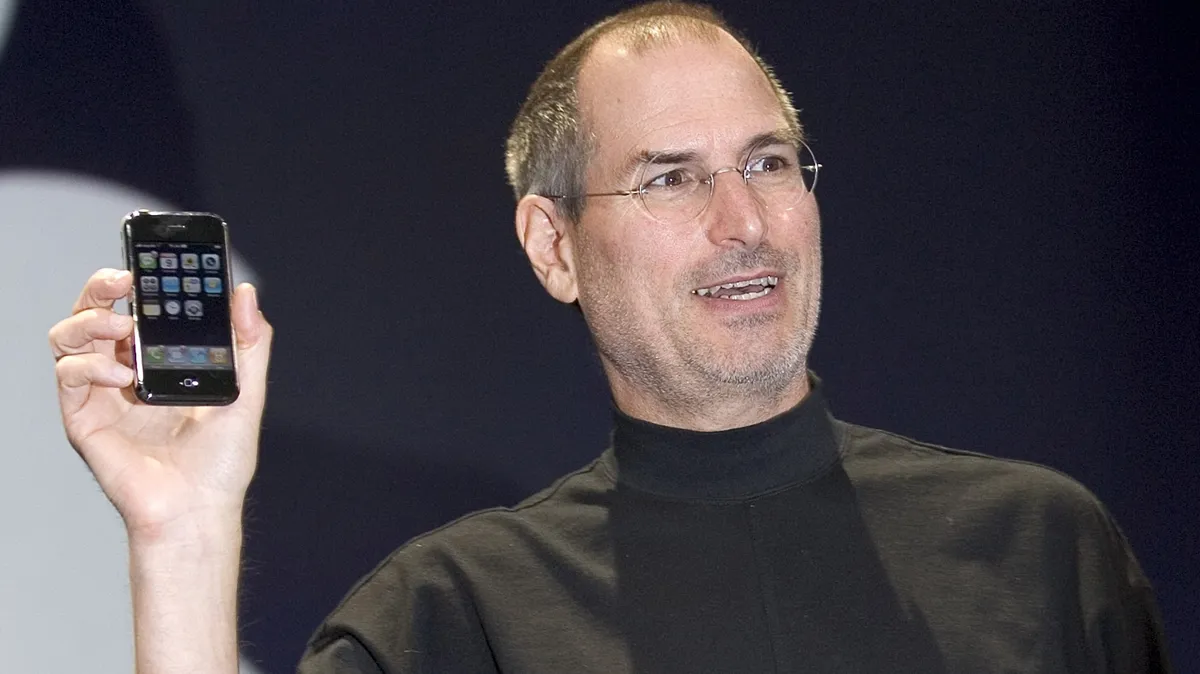
I don’t think anyone would disagree with this one, as the original iPhone triggered a complete revolution. Sure, it was stuck running on incredibly slow 2G connectivity, but it remains timeless because it redefined the modern smartphone with its capacitive display, multi-touch support, silky-smooth kinetic scrolling, and simplified user interface. It practically made standalone MP3 players and dedicated PDAs obsolete overnight.
iPhone 4

Second on my list is a device that gave us one of the most memorable moments in keynote history. Not only did the iPhone 4 introduce a stunning metal meets glass design, but it was also the first to feature a razor-sharp Retina Display and a viable video calling solution in FaceTime. With a front-facing camera onboard for the first time, Steve Jobs famously had to ask the crowd in attendance to turn off their personal Wi-Fi hotspots just so he could demo FaceTime to the world.
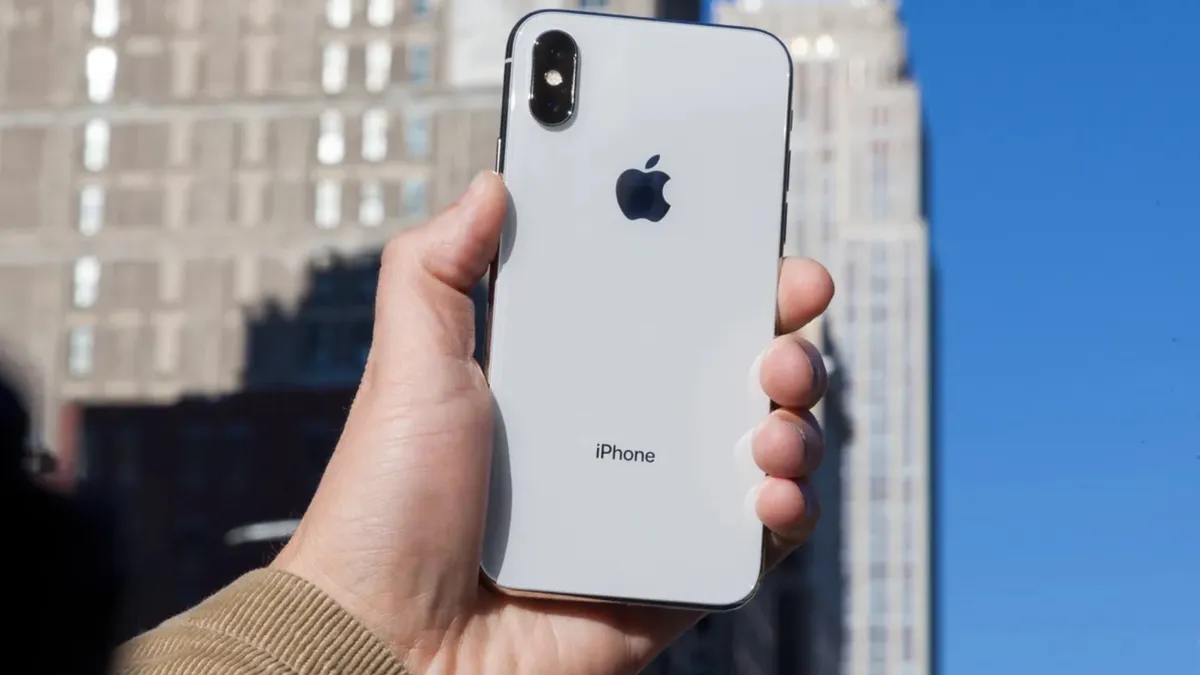
To mark the iPhone’s 10th anniversary, Apple introduced the radically different iPhone X, famously ditching the physical home button. Just about everything about this device represented a massive shift, from its edge-to-edge OLED screen and secure Face ID unlocking to the intuitive, gesture-based navigation we still use today.
iPhone 6 Plus

iPhone 11 Pro
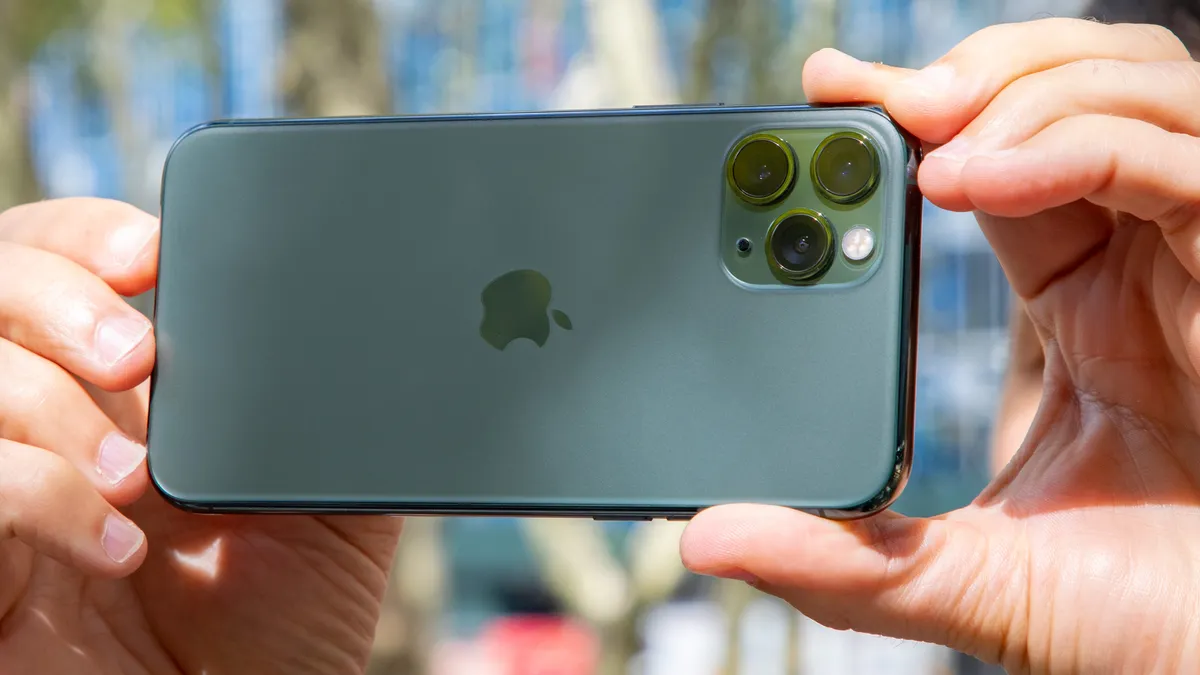
Apple’s very first “Pro” iPhone remains memorable because it established the foundation for the design language Apple still uses today. Apart from its matte textured glass back, the iPhone 11 Pro is particularly notable for finally adopting a triple-camera system — giving mobile photographers a level of focal-length utility that was previously unavailable on an iPhone.

Follow Tom’s Guide on Google News and add us as a preferred source to get our up-to-date news, analysis, and reviews in your feeds. Subscribe to Tom’s Guide on YouTube and follow us on TikTok.