Women in their 30s and 40s have been found to have weak bones when they should have stable bone health at these ages. An expert shares contributing factors and some advice to prevent poor bone health.
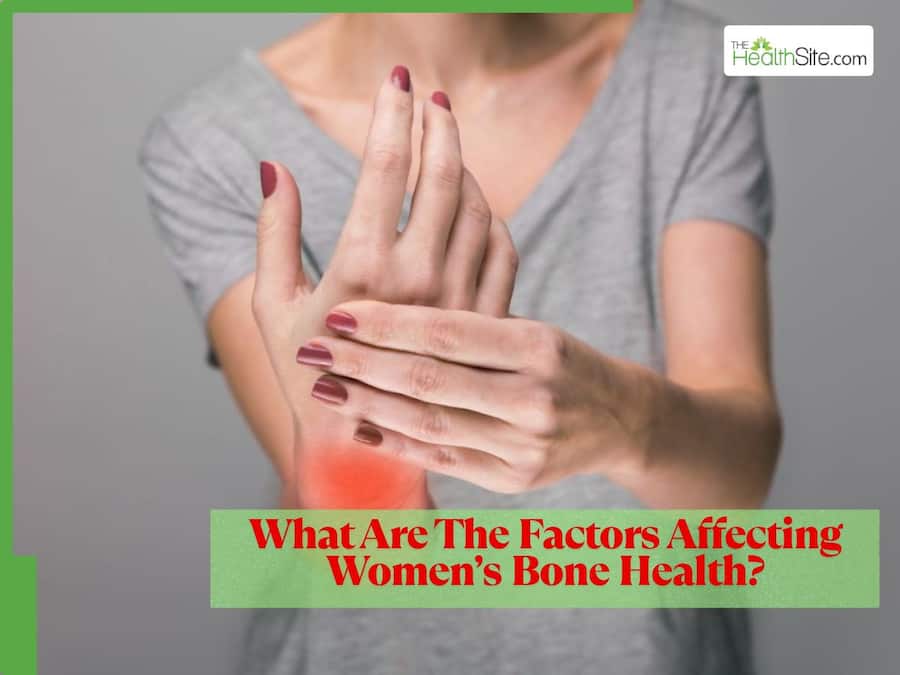
International Women’s Day 2026: The modern work schedule of a professional woman is quite demanding, with most of her time being at work, sitting in front of her laptop, trying to meet deadlines and fulfill organizational roles. Although this habit might appear common, it is an alarming habit which may gradually influence another vital dimension of women’s health which is bone strength. There is a growing observation of early weakness in bones among women in their 30s and 40s by doctors who should have stable bone health at this age. The trend has drawn concerns about the issue of what the experts have termed a silent bone health crisis among working women.
Factors affecting women’s bone health
Researchers have found that this increasing problem has a number of lifestyle contributing factors, such as a sedentary working culture and physical exercise which are all important to keep bones strong. Simultaneously, a lack of Vitamin D is also a common factor among women contributing to poor bone health. A combination of these could lead to a slow bone density depletion, predisposing one to premature bone loss and subsequent complications in the future.
In an exclusive interview with Healthsite, Dr. Mohit Sharma, Consultant Orthopaedic and Joint Replacement Surgeon, Fortis Jalandhar, unpacked the truth about younger women in their 30s and 40s developing weakening bone health more than ever before.
How does sedentary lifestyle associated with poor bones play a role in working women?
Dr. Sharma:Bones need to be subjected to weight-bearing activities to maintain their density; however, when a person sits most of the time, their bones will only experience minimal mechanical loading. This will eventually slow down the formation of new bones, causing the density of the bones to weaken over time.
Explain effects of vitamin D deficiency on bone strength among women
Dr. Sharma:Vitamin D is extremely important for the absorption of calcium which is the main component of bones. If the levels of Vitamin D remain low for long periods of time, even if the intake of calcium is adequate, the bones remain weakened.
Do long working hours, absence of sunlight and physical activity contribute to early bone loss?
Dr. Sharma:Yes, lifestyle factors are contributing to the early weakening of the bones. Lack of exposure to the sun results in less Vitamin D which is important for the absorption of calcium. Long working hours also mean that women have less time for physical activity which results in weaker bones than expected, considering the years that have been spent.
What are the warning signs that women between 30s and 40s need to be aware of?
Dr. Sharma:Women in their 30s and 40s are at risk of osteopenia or osteoporosis, especially if their lifestyle is unhealthy and they have hormonal problems. The signs include frequent back pain, reduction in height over time and easy fractures or tiredness. The sad thing is that osteoporosis is often asymptomatic, so regular check-ups are essential.
Do hormonal changes such as thyroid problems or PCOS, affect bone density in women?
Dr. Sharma:Hormones regulate how bones are built and broken down in the body. Conditions such as thyroid disorders or PCOS can disrupt this balance. When hormonal levels fluctuate for long periods, the body may break down bone faster than it rebuilds it, gradually reducing bone density.
Tips to maintain better bones even when busy timetables are involved
Dr. Sharma:Small changes in the lifestyle of working women can help them protect their bones. For example, brisk walks, regular exercises and sun exposure are some of the simple changes in the lifestyle of working women that can help protect their bones, despite their busy lives. Working women with risk factors like a sedentary job, vitamin deficiencies, family history of osteoporotic fractures and hormonal problems should start their bone density screenings early. Early detection of the problem will help them avoid the consequences of osteoporotic fractures.
(International Women’s Day 2026 is an auspicious occasion that is observed every year on March 8. This year, IWD falls on Sunday and will run under the theme ‘Give To Gain’)

The content on TheHealthSite.com is only for informational purposes. It is not at all professional medical advice. Always consult your doctor or a healthcare specialist for any questions regarding your health or a medical condition.

Don’t Miss Out on the Latest Updates.
Subscribe to Our Newsletter Today!