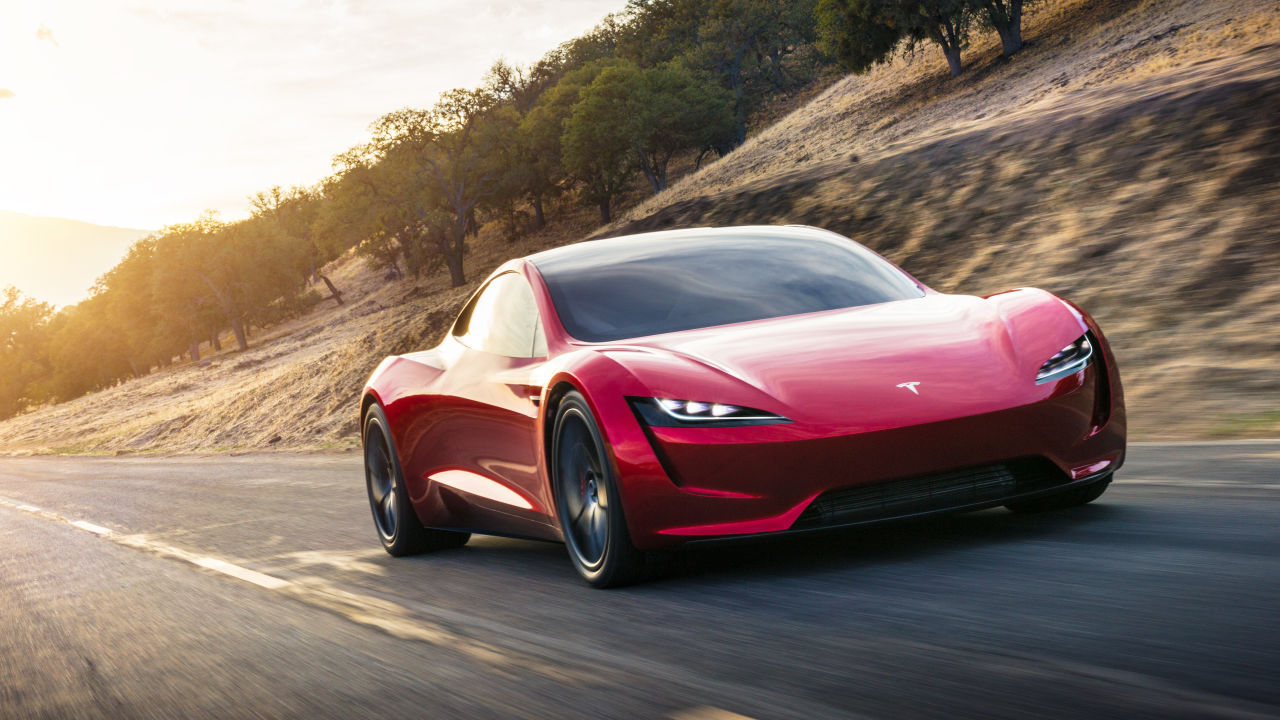
When Tesla CEO Elon Musk discussed the much-anticipated new Roadster in an interview this week, he made a remark that immediately caught attention within the auto world: when asked whether safety would be the focus of the car, Musk said it is not the main goal.
He even went as far as suggesting that if safety is your number one priority, this might not be the car for you. That is a rare kind of honesty from a chief executive of a major car company. But it also raises important questions about where Tesla is headed and what drivers should expect. One might even say Musk has had it with the so-called watchdogs.
Over the past decade, Tesla has built a remarkable reputation for pushing the boundaries of electric vehicle (EV) performance. Owners and fans point to blistering acceleration, eye-catching design, and the promise of future self-driving technologies.
Yet at the same time, critics have argued the company’s approach to safety, particularly in areas like automated driving (and that infamous electronic door handles), has been inconsistent. Some safety advocates have called out Tesla’s Autopilot and Full Self-Driving marketing as potentially misleading and possibly dangerous because drivers misunderstand what the technology actually does.
The Driver’s Car, Redefined
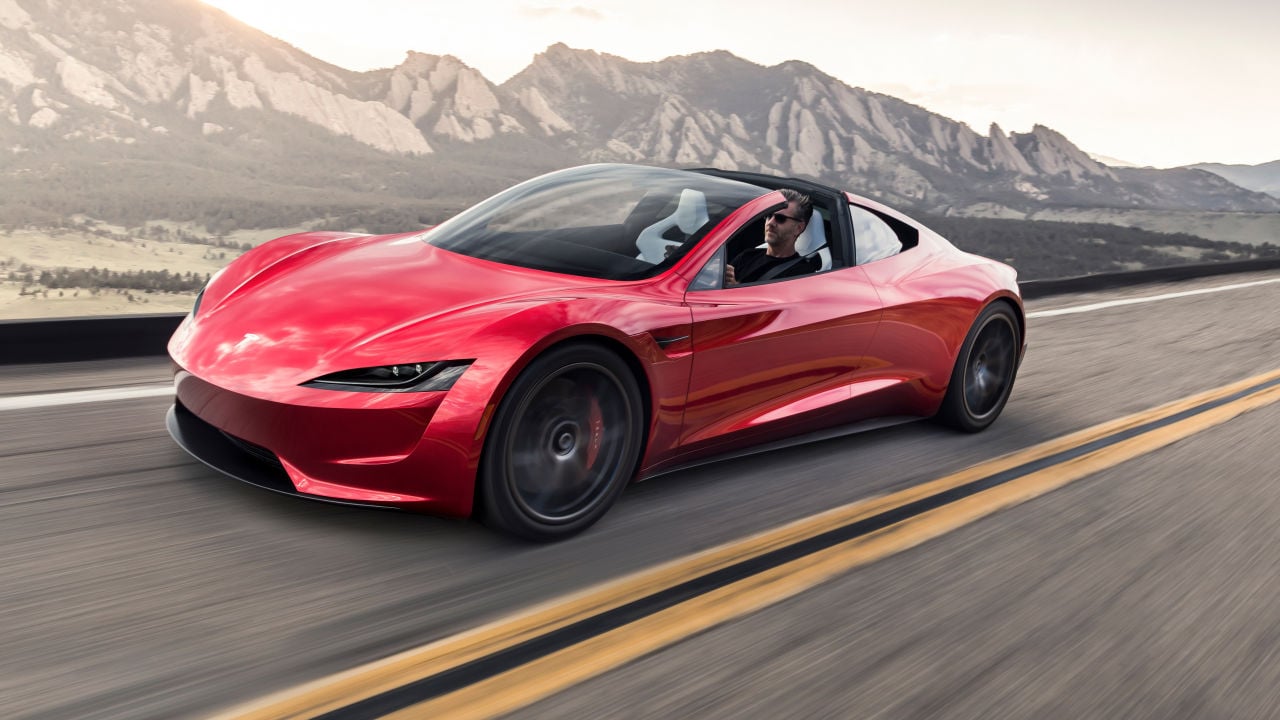
The Roadster, which Musk hinted could be the best of the last human-driven cars, seems to embody this blend of faith in driver skill and performance over purely conservative design. Musk even joked that certain capabilities — like hovering — are classified, though that might be more hype than hardware at this stage.
For many automotive enthusiasts, cars like the Roadster are never about safety first. Classic sports cars have long demanded more of their drivers. Porsche 911s and Ferrari 488s can punish a mistake at speed, and drivers accept that as part of the thrill. But even in that world, rigid safety standards still exist, from crash test requirements to modern roll cages and cutting-edge restraint systems, precisely because performance should not come at the cost of preventable harm.
That brings us to the heart of the issue: in a mature car industry, safety is a baseline expectation backed by regulatory oversight, crash testing, and decades of research into what keeps drivers and passengers alive and uninjured.
When a company’s public leadership starts framing safety as secondary, it doesn’t necessarily mean they plan to build unsafe cars. But it does signal a difference in priorities. Musk seems to be courting drivers who crave speed, exhilaration, and the raw feel of human control, even if that means accepting higher risk.
Your Move, Driver
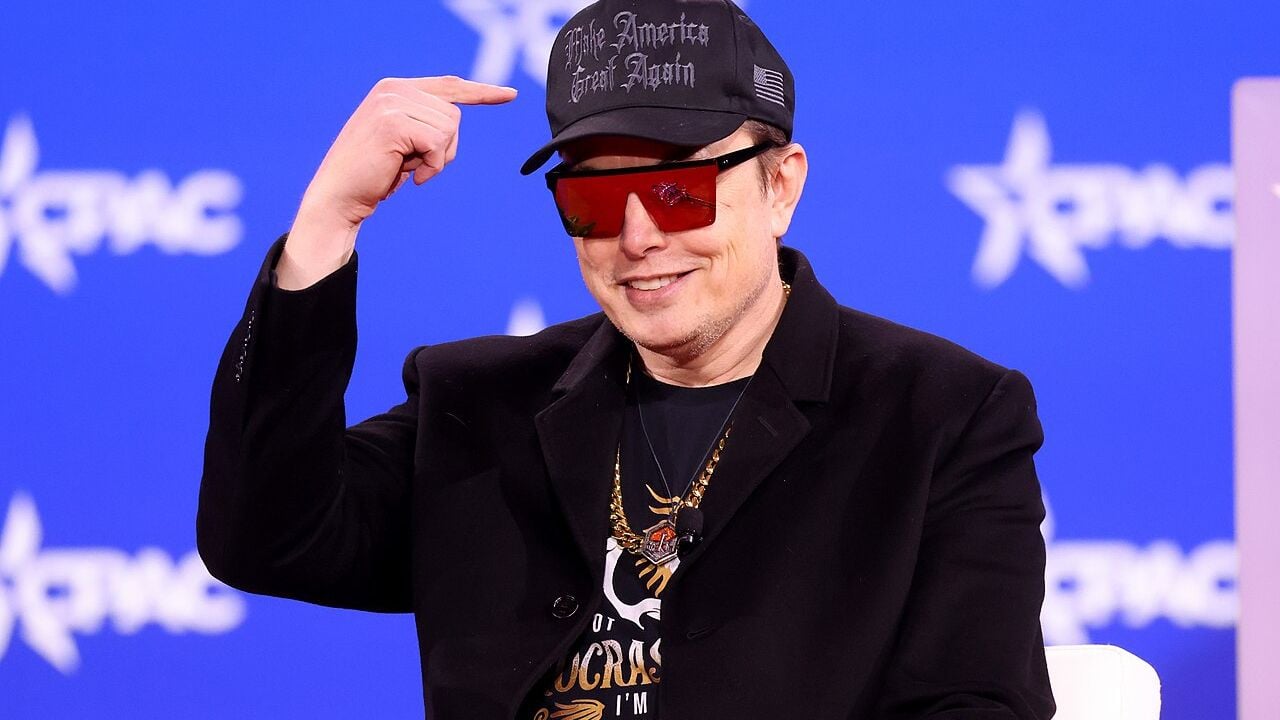
There is a broader context here too. Earlier this year, the National Transportation Safety Board publicly criticized Tesla’s communication about its driver assistance technology, saying the terminology could be misleading and encourage misuse. That kind of messaging plays into the perception that Tesla’s focus is on innovation and capability, possibly at the expense of clarity around safety limitations.
So, what does this actually mean for you, the driver or buyer? If you are someone who wants a daily driver that offers peace of mind above all else, mainstream models from legacy manufacturers still emphasize safety as an integral part of their engineering process. Their design targets routinely include crash test performance, robust body structures, and driver aids that are honed with risk reduction as the top objective.
If, on the other hand, your automotive passion leans towards high-performance machines that put power and driver engagement front and center, then Musk’s comments might resonate. Many performance cars that thrill on the road or track do so because drivers willingly operate them at the edge of their limits, and that has always carried an inherent trade-off with safety.
Ultimately, Musk’s words are a reminder that every car (and every driver) has a threshold for risk. Tesla’s messaging here is unusually candid, and it will force potential buyers to think more critically about why they choose one vehicle over another. For some, that won’t be a problem at all. For others, it might be the signal to look elsewhere.
What remains to be seen is how this approach plays out as Tesla brings the Roadster closer to production and how regulators, safety advocates, and everyday drivers react when performance and safety are openly pitched on different scales.