Published on
August 31, 2025
China’s theme parks have changed quickly in recent years. They are now more than just places for entertainment. They have become cultural hubs where technology and tradition come together. This offers tourists a more meaningful experience. This change responds to the growing demand for quality family tourism. It also shows the economic, cultural, and technological progress happening in the country. In this article, we look at the factors driving the growth of China’s theme parks and how they are adjusting to meet the changing expectations of tourists.
A Strong Foundation in Domestic Demand and Government Support
One of the primary drivers of China’s theme park boom is the robust domestic tourism market. With a large and growing middle class, Chinese consumers are increasingly seeking leisure activities that offer both entertainment and cultural value. The government has recognised the importance of the tourism sector and has implemented a range of policies to promote domestic travel, including subsidies, tax incentives, and investment in infrastructure. The rise of family-orientated travel has been a key focus, as parks are increasingly designed to cater to a wide range of age groups, from young children to grandparents. These initiatives have been instrumental in creating a favourable environment for theme park development.
In addition to boosting domestic tourism, the Chinese government has actively encouraged foreign investments in the theme park sector. Companies like Disney, Universal Studios, and LEGOLAND have all established a significant presence in China, further elevating the quality of theme park experiences. Moreover, the government’s commitment to integrating cultural tourism with modern entertainment ensures that theme parks align with national priorities, such as preserving cultural heritage while embracing new technologies.
Blending Traditional Culture with Modern Entertainment
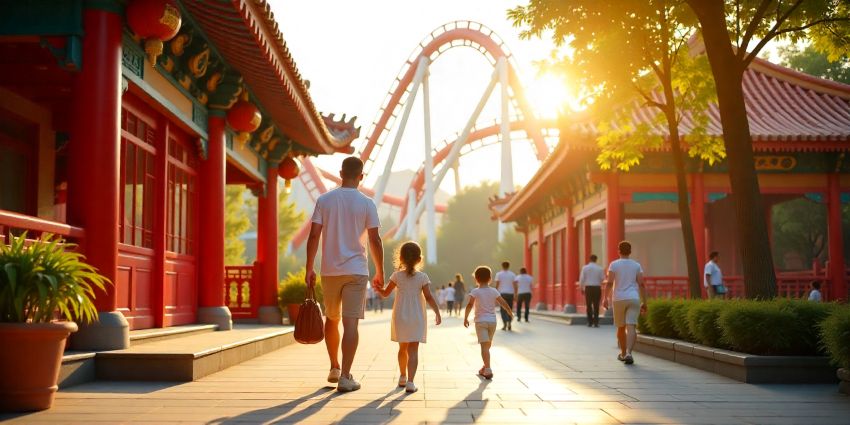
While amusement parks worldwide are often known for thrill rides and high-tech attractions, China’s theme parks have taken a unique approach by integrating traditional cultural elements into their designs. The fusion of culture with modern entertainment is evident in several of the country’s major theme parks, such as the Shanghai Disneyland, which features cultural landmarks and designs inspired by Chinese traditions. For example, the park incorporates symbols like the Great Wall of China and iconic Chinese architecture, offering international visitors a chance to experience both global and local cultural elements.
This blending of the old and the new appeals to both domestic visitors, who can reconnect with their cultural roots, and international tourists, who may be seeking a deeper understanding of China’s rich cultural history. As a result, China’s theme parks are not just places to enjoy rides but also venues where cultural appreciation and education are woven seamlessly into the overall experience.
Furthermore, smaller, regional theme parks are beginning to highlight local traditions, regional folklore, and traditional arts. This focus on local cultural heritage ensures that visitors have access to experiences they may not encounter elsewhere. It’s a powerful way to provide a more personalised experience and introduce tourists to the diverse cultures and histories within China’s vast territories.
The Role of Technology in Shaping the Future of Theme Parks
One of the most significant factors contributing to the transformation of China’s theme parks is the increasing reliance on technology. Advances in virtual reality (VR), augmented reality (AR), and interactive exhibits have added layers of depth to the traditional theme park experience. For example, in parks like Fantawild, visitors can engage in AR-based treasure hunts or immerse themselves in VR worlds that transport them into fantastical realms.
The use of technology extends beyond just entertainment; it also enhances operational efficiency. For instance, smart ticketing systems, crowd management technologies, and real-time feedback loops have helped improve the overall visitor experience. These innovations help address one of the major concerns facing the industry: overcrowding. With the increasing number of visitors, especially during peak seasons, these technologies help maintain smooth operations, ensuring that guests enjoy their time without being overwhelmed by long waits and crowded spaces.
Additionally, theme parks are beginning to incorporate interactive exhibits where visitors can not only observe but actively participate in cultural experiences. This hands-on approach fosters a deeper connection between the visitor and the culture they are exploring, making the experience more memorable.
A Focus on Family-Friendly and All-Age Attractions
Family tourism has become the cornerstone of China’s theme park industry. As more Chinese families seek out vacation experiences that can accommodate multiple generations, theme parks are evolving to offer something for everyone. This focus on family-friendly attractions means that visitors of all ages can enjoy a fulfilling experience, whether it’s enjoying a thrilling rollercoaster ride, watching a live performance, or exploring interactive cultural exhibits.
The increasing interest in family-centred activities is also reflected in the types of attractions that are being developed. While thrill rides remain an important part of the theme park experience, parks are now including more educational and interactive exhibits that cater to younger children and older visitors. This includes character meet-and-greets, family-focused shows, and interactive workshops that encourage learning through play.
Overcoming Challenges: Crowding and the Need for Innovation
Despite the rapid growth of the theme park sector, it faces challenges that need to be addressed for continued success. One of the most pressing issues is overcrowding, which can negatively impact the visitor experience. Long lines, overcrowded spaces, and limited availability of services can detract from the enjoyment of the experience. In response to this challenge, some parks have turned to smaller, regional attractions that can offer more personalised and intimate experiences for visitors. By spreading the demand across multiple parks, the issue of overcrowding can be alleviated while also allowing for greater exploration of regional culture.
Innovation remains a key focus for theme parks that wish to stay ahead of the competition. Parks that fail to adapt to changing visitor expectations may find themselves falling behind. For instance, while the traditional combination of roller coasters, parades, and fireworks still plays a role in many parks, the next generation of theme parks will likely focus on more immersive, high-tech, and culturally rich experiences.
The Future of China’s Theme Parks
Looking ahead, the future of China’s theme parks focuses on integrating culture, technology, and family-orientated attractions. As the industry grows, the emphasis will likely move from just entertainment to providing more meaningful, culturally enriching experiences that connect with visitors on a deeper level. With advancements in virtual reality, augmented reality, and interactive exhibits, theme parks in China are set to lead in the next wave of tourism by offering a more immersive, engaging, and educational experience.
Moreover, regional parks that successfully blend technology with local culture and heritage are likely to flourish. They will provide more tailored experiences that meet the needs of specific groups and interests. The aim is clear: to create theme parks that offer visitors not just fun and excitement, but also cultural enrichment, leaving a lasting impression of China’s rich history and diverse traditions.
In conclusion, China’s theme parks have seen a remarkable change. By embracing technological innovations and cultural heritage, these parks are reshaping the tourism experience. With ongoing innovation and a focus on family-friendly attractions, China’s theme parks are set to be a major player in the global tourism market for years to come.

