Uncategorized

Hong Kong’s Tai Kwun names Philip Tinari its new head of art

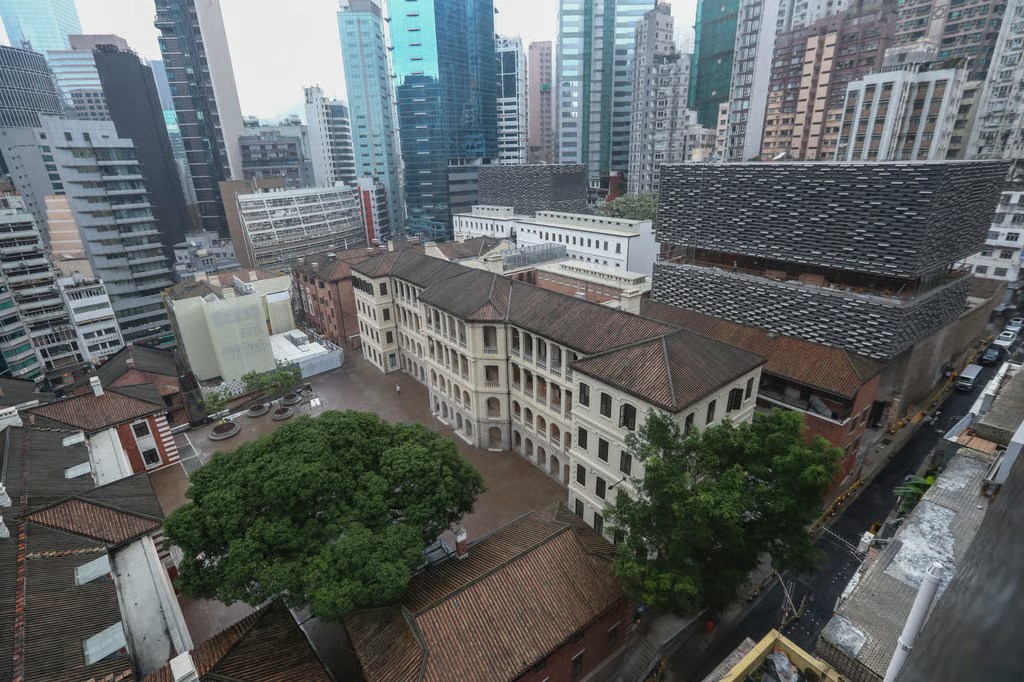
Tai Kwun, the former Central Police Station turned arts complex, opened in 2018. Photo: Nora Tam

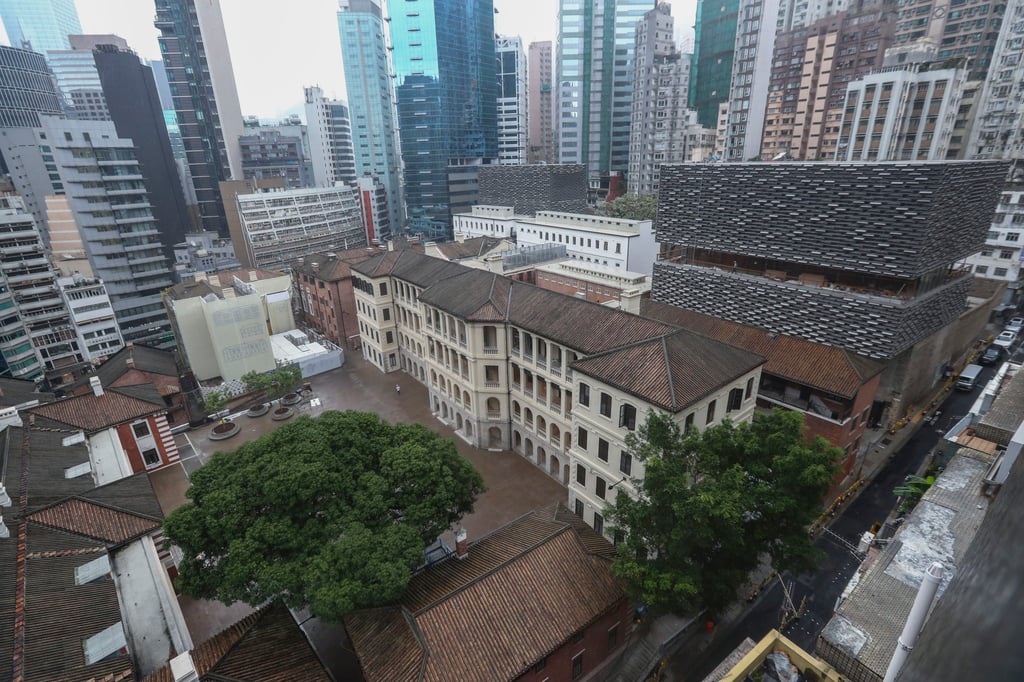
Tai Kwun has named Philip Tinari as its head of art, bringing one of mainland China’s most high-profile art personalities to the Hong Kong cultural institution. He replaces Pi Li, who will be leaving Tai Kwun next month to help launch a new art museum in Shenzhen.

The American-born long-time Beijing resident will also take on the role of deputy director, working with Timothy Calnin, director of Tai Kwun Arts, across all artistic disciplines, including performing arts and heritage programmes at the Hong Kong Jockey Club-backed arts complex in Central.

Tinari, who is fluent in Mandarin, has been the director of the Beijing-headquartered UCCA Centre for Contemporary Art since 2011 and, concurrently, its CEO since 2017, when the centre was sold to private investors by its founder, the late Belgian collector Guy Ullens.

Under Tinari’s leadership, UCCA has transformed from a single site in the Chinese capital’s 798 Art District into a national entity with multiple centres, presenting large-scale surveys of modern Western artists such as Pablo Picasso and Henri Matisse, as well as solo exhibitions of living artists such as Cao Fei, Maurizio Cattelan, William Kentridge, Xu Bing, Yang Fudong and Anicka Yi.
Tinari is also a sought-after guest curator outside China, co-curating the landmark exhibition “Art and China after 1989: Theater of the World” at the Solomon R. Guggenheim Museum in New York in 2017, and organising the inaugural edition of the Diriyah Contemporary Art Biennale in Riyadh, Saudi Arabia, in 2021.
Tai Kwun, the former Central Police Station turned arts complex, opened in 2018. Photo: Nora Tam

The Tai Kwun appointment comes at a transformative time for Hong Kong’s cultural sector. In recent years, it has come under more direct government control both in terms of the vetting of content deemed a threat to national security, as well as broader cultural policies led by the Culture, Sports and Tourism Bureau, established in 2022, that stress the city’s role as a site of cultural exchange between China and the rest of the world.


Source link

Visited 1 times, 1 visit(s) today

Leave a Reply

Your email address will not be published. Required fields are marked *