At present, only traditional investment products such as stocks and bonds qualify.
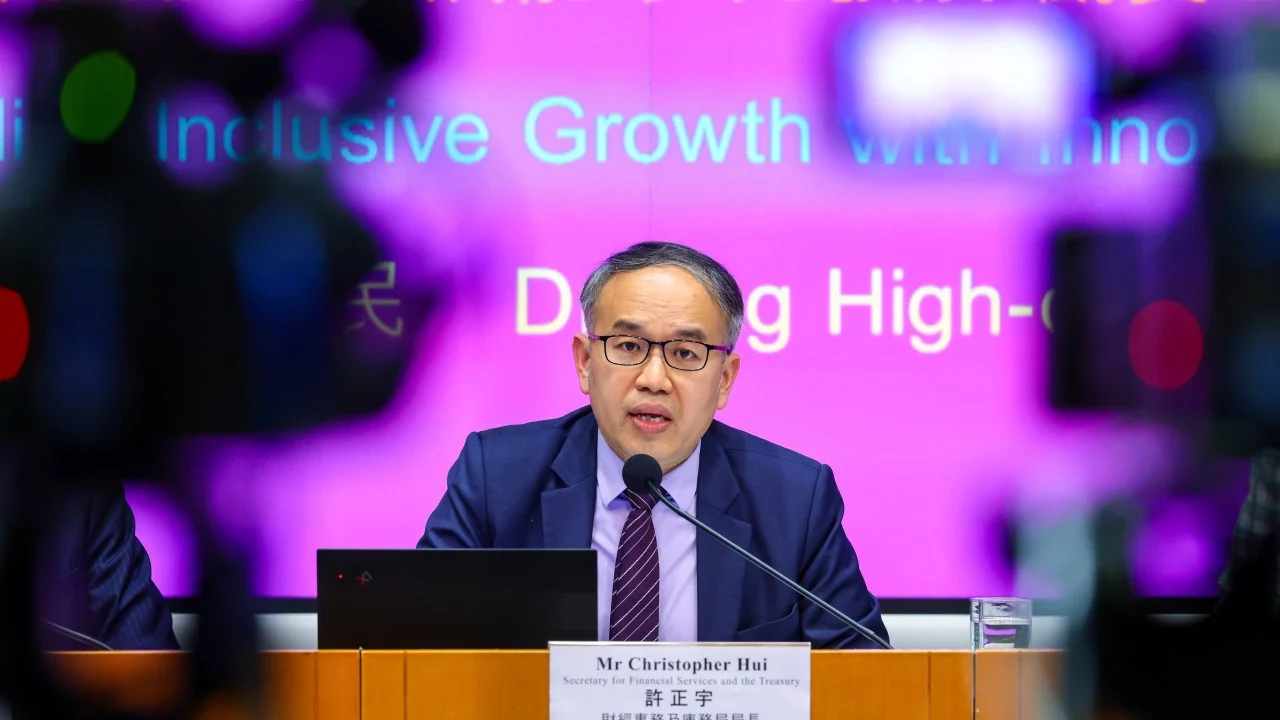
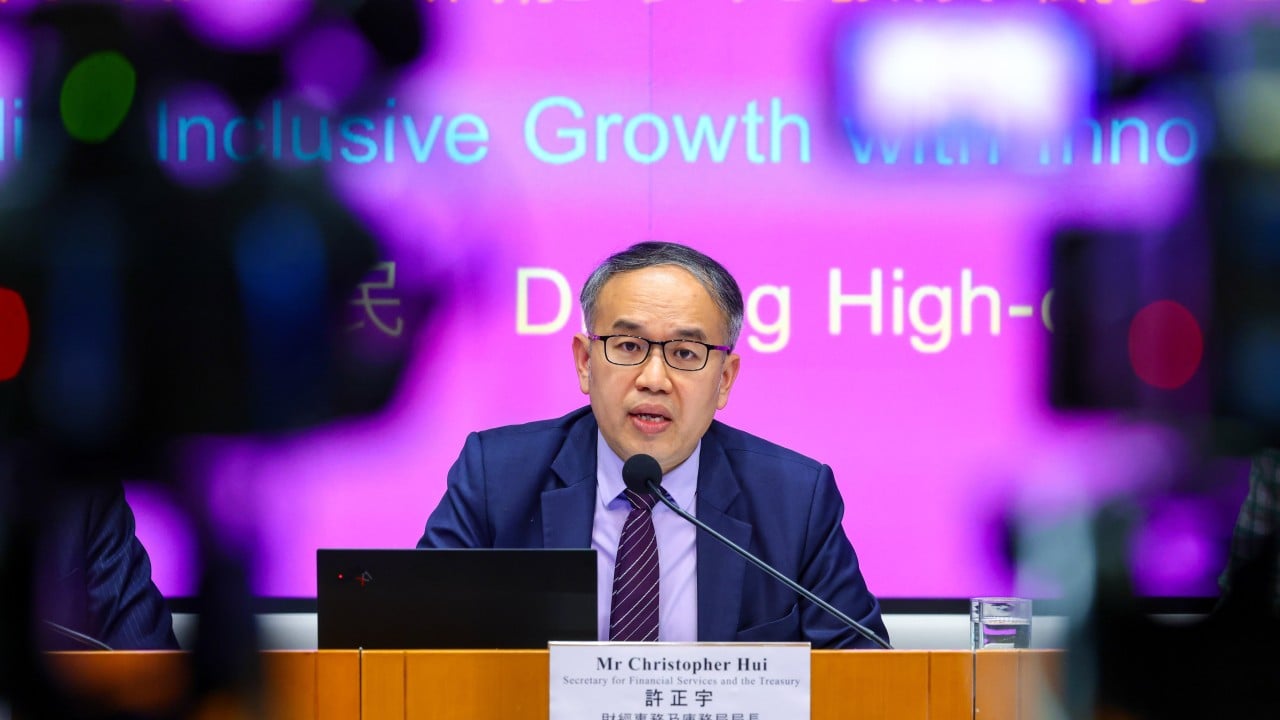
“By expanding the investment products under tax exemption, the proposed enhancements seek to attract more funds and family offices to set up and operate in Hong Kong, which will help reinforce the city’s position as a leading asset and wealth management hub,” Hui said.
The proposed law would also expand the types of funds to get the exemption, from open-ended funds at present to charity funds, pension funds and so-called fund-of-one structures set up by international organisations, such as the AIIB. This initiative is expected to attract sizeable asset owners to set up and manage funds in Hong Kong.
Many international organisations, governments, central banks and ultra-high-net-worth individuals are known to establish so-called fund-of-one structures, which are wholly owned funds set up by their issuers to carry out specific investments. The new rule would require a fund-of-one structure to have at least HK$240 million (US$31 million) in qualified assets to enjoy the tax exemption.
“The expanded scope of qualifying investments would also complement Hong Kong’s development in areas such as digital assets and trading of precious metals and commodities,” Hui said.