Editorial Note: We earn a commission from partner links on Forbes Advisor. Commissions do not affect our editors’ opinions or evaluations.
Despite rising inflation and elevated interest rates, Americans are still using their credit cards.
A Boston Federal Reserve Bank study suggests that this consumer spending resilience has less to do with broad economic health and more to do with the divide between high- and low-income households: Wealthier families continue to shop, while those with fewer resources are stretched thinner financially.
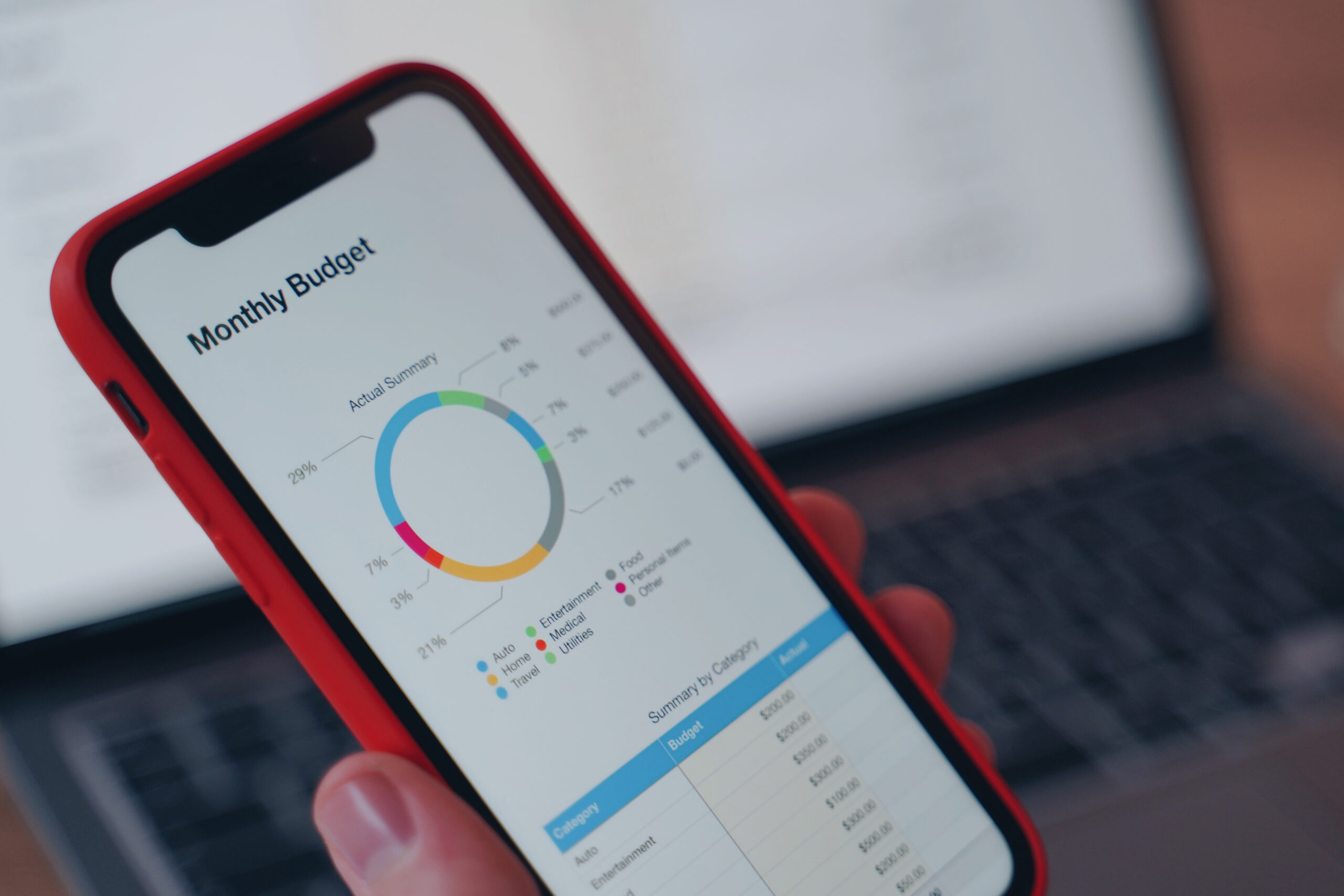
That gap is leaving many households searching for ways to stay afloat. Budgeting apps—once seen as nice-to-have tools—are increasingly becoming lifelines, helping families track debt, set spending limits and squeeze more value out of every paycheck.
The Uneven Reality of Consumer Resilience
Much of the sustained spending in recent years has been driven by higher-income households, the study found. These households have more cushion: stronger incomes, more access to credit that hasn’t been maxed out and, often, savings or assets that can absorb inflation and rising interest costs.
In contrast, lower-income families are under more pressure. The pandemic buffer—in many cases, savings accumulated during lockdowns or stimulus payments—has mostly been used up, according to the Boston Fed study. Remaining savings are often deployed not for extra spending, but to pay down credit card balances, cover basic costs, or meet monthly obligations.
Over time, that dynamic means that as prices for essentials like housing, groceries and medical care continue to rise, households without sufficient savings or income face sharper trade-offs.
Some must reduce nonessential spending; others must choose between paying down debt and meeting living costs. The result is uneven consumer behavior: stable or even growing spending among wealthier households paired with flat or declining discretionary spending among lower-income households.
Why Budgeting Apps Might Be a Lifeline Right Now
Given this backdrop, budgeting tools offer more than convenience. They can function as strategic platforms that help identify drag on finances, alert users to impending obligations and help set realistic plans for debt payoff and spending. Some features that are especially valuable:
- Tracking recurring costs (rent, utilities, subscriptions) so you can anticipate what’s due and reduce surprise charges, avoid overdrafts or high-interest, short-term borrowing
- Debt payoff planning: seeing which debts cost the most and focusing on elimination
- Visualizing budgets by category to spot discretionary spending that can be trimmed
- Historical trend tracking to see whether spending in specific categories or balances is steadily growing, signaling risk
Bottom Line
If higher rent, utility bills or credit card payments are squeezing your paycheck, a budgeting app can help you regain control. Begin by listing the expenses you can’t avoid, such as housing and insurance, alongside those you can cut. Choose a tool that highlights recurring charges so you can spot and cancel what isn’t essential.
And don’t lose track of your credit card balances—prioritize paying down the debt with the highest interest first, a method known as the “debt avalanche.” It also helps to check your monthly budget and make changes when prices or your income change.
Consumer spending looks steady on paper, but that doesn’t mean every household keeps up. For many families, the real challenge isn’t earning more money—it’s tracking where it goes.