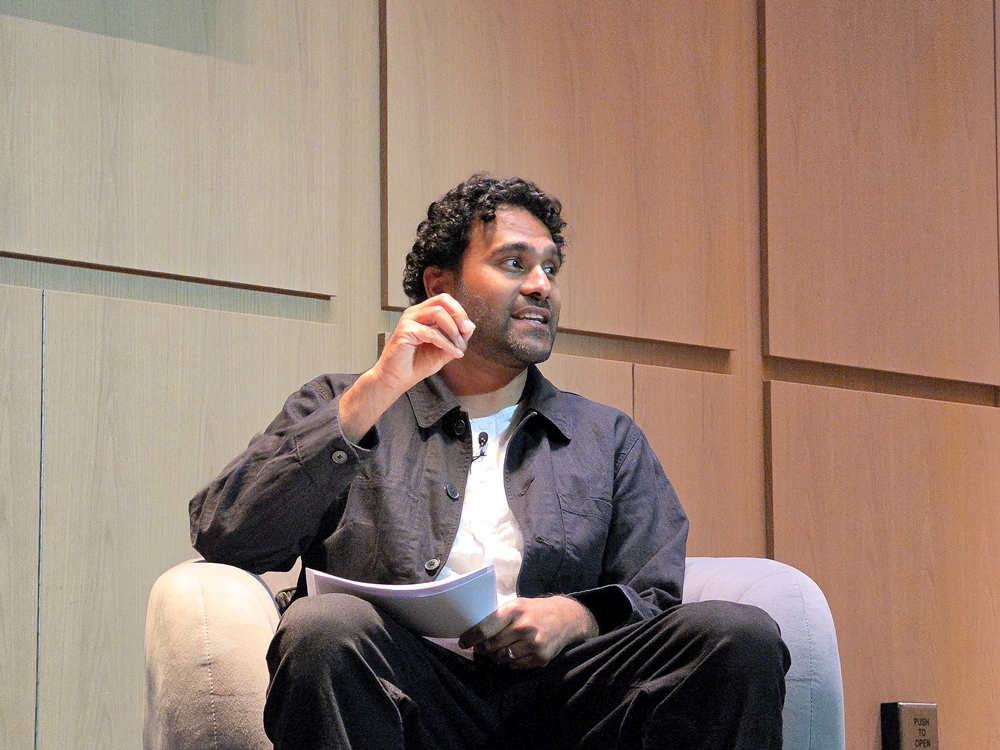
Everyday Behavior: Closing the Last Mile at the Dinner Table and the Gym
Diet and exercise are two of the biggest levers on long-term health — and two of the most within our control. They are also, Dr. Pak noted, where the gap between knowing and doing is widest.
Kartik Poria, Head of Product at Samsung Food, located that gap in a moment everyone recognizes.
“It’s Tuesday, six o’clock. You’re tired, you’re staring into the fridge, and everything you know about eating well loses to whatever’s quickest. That moment is what we’re going after — because what you eat, day after day, is one of the biggest levers we have on preventing chronic disease.”
He described how Samsung Health and Samsung Food are coming together to tackle two halves of the same problem. Samsung Health surfaces what is happening beneath the surface — indicators such as meal logs, BMI, 2 the Antioxidant Index, and the AGEs Index. Samsung Food’s global recipe library facilitates meal planning and its food intelligence reflect how people actually like to eat. Rather than relying on tracking alone, it offers a nutrition experience grounded in behavior change. It can learn a person’s habits and work with them so the healthier pattern also becomes the easier one.
“We’re not adding another thing to manage. We’re making the healthy choice the easy one, for the night you’ve got the energy to cook and the night you don’t.”
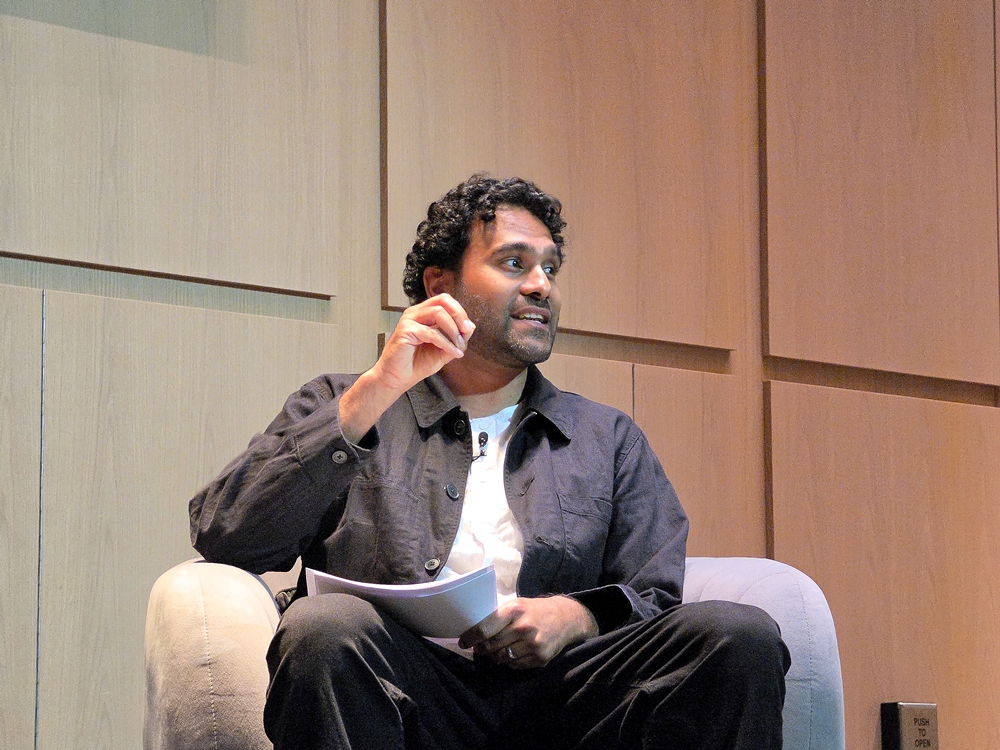 Kartik Poria from Samsung Food
Turning to movement, Kevin Duffy, CEO of iFIT, described exercise as foundational to both physical and mental wellbeing, and explained how iFIT’s expert-led programs are becoming more accessible through Samsung Health.
“Exercise is vital for both physical and mental wellbeing — cardiovascular health, strength, mobility, sleep quality, stress management.”
Through Samsung Health, users can discover and subscribe to iFIT’s premium fitness programs,3 while iFIT workouts integrate with Galaxy Watch so users can track key metrics during guided sessions. With Fitness Index, 4 they receive a holistic view of their physical fitness in a single, easy-to-understand score, with personalized recommendations. Looking ahead, Duffy pointed to Samsung’s Health Assistant, currently in beta for eligible U.S. users, 5 as a way to bring a user’s Fitness Index, goals, and activity history together to surface the most relevant workout at the right moment.
“Exercise is not just about being active — it’s about understanding your body, building sustainable habits, and having the right guidance at the right time. By combining iFIT’s expert-led experiences with Samsung Health’s connected insights, we can help more people make movement a meaningful part of their everyday lives.”
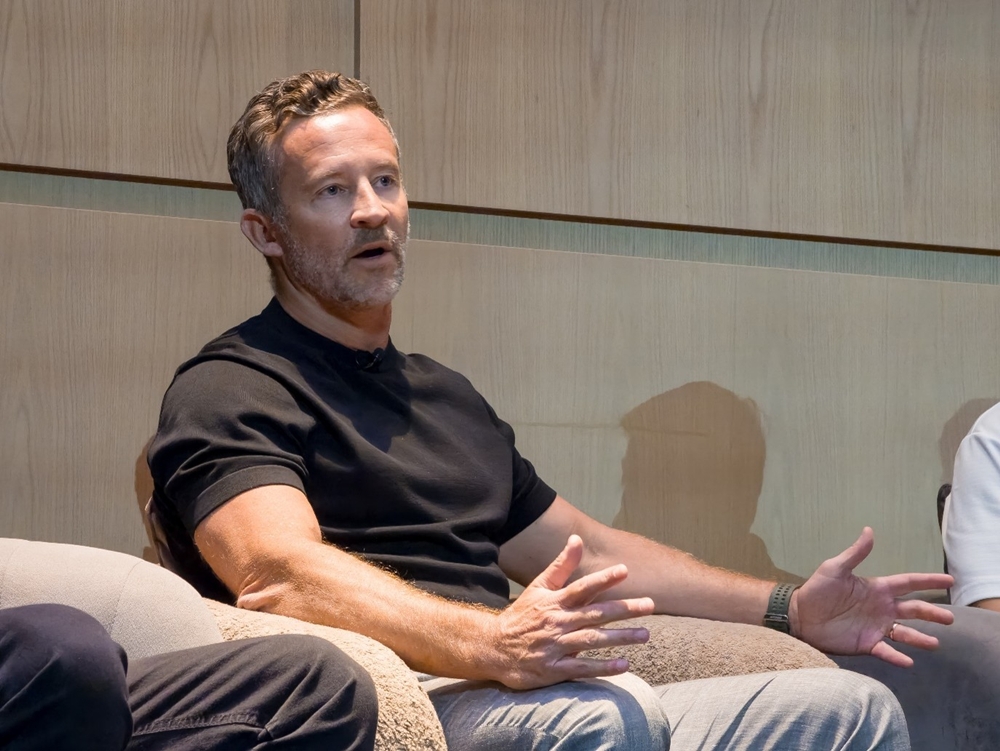 Kevin Duffy from iFIT
But content and insights alone, Dr. Pak noted, don’t close the last mile. The harder question is how to move from engagement to activation. Samsung designs for real life, recognizing that people slip and miss goals most of the time. Those moments are precisely when timely, well-contextualized support matters most.
The real measure, he argued, is not how often the system nudges someone, but how many healthy actions actually happen — a doctor’s low-salt advice quietly showing up as items in a grocery cart, or a workout that meets a person where they actually are that day. Poria added that this is the true shift: from nudging people to changing the choice in front of them.
Clinical Credibility and Privacy: Trust Earned Through Evidence
Dr. Pak turned next to the question of trust — noting that wearable data is now something most clinicians have seen, but far fewer have been able to build into their day-to-day care. Closing that gap, he said, is a matter of evidence, workflow, and trust.
Rohit Ail, Head of the Technology Incubation Lab at Samsung R&D Institute UK (SRUK), spoke to how his team works to generate clinical evidence in real-world settings.
“Our goal is to meet the standards expected by clinicians, researchers, and regulatory bodies, and that means generating evidence in real-world clinical environments. This commitment builds on Samsung’s growing body of clinical research and validation evidence.”
He referenced ongoing collaborations across Europe, including partnerships with the NHS and clinical validation studies with leading hospitals. With San Cecilio University Hospital in Spain and Gemelli in Italy, Samsung is working on identifying and managing cardiovascular disease (CVD) risk using AI and decision-support technologies; with Fondazione IRCCS in Italy, the focus is on understanding and addressing the late effects faced by adolescent and young adult (AYA) cancer survivors through AI-based digital phenotyping and a non-invasive, holistic approach.
On privacy, Ail noted that Samsung considers user data to belong to the user. Trust begins with protecting users’ data, with Samsung taking a multi-layered ecosystem defense: Samsung Knox hardware-backed security, local and in-transit data encryption, and standard privacy frameworks. He added that SRUK has also developed a Decentralized Clinical Trial framework, in which participant identities remain under the control of healthcare organizations and data is pseudonymized from the outset.
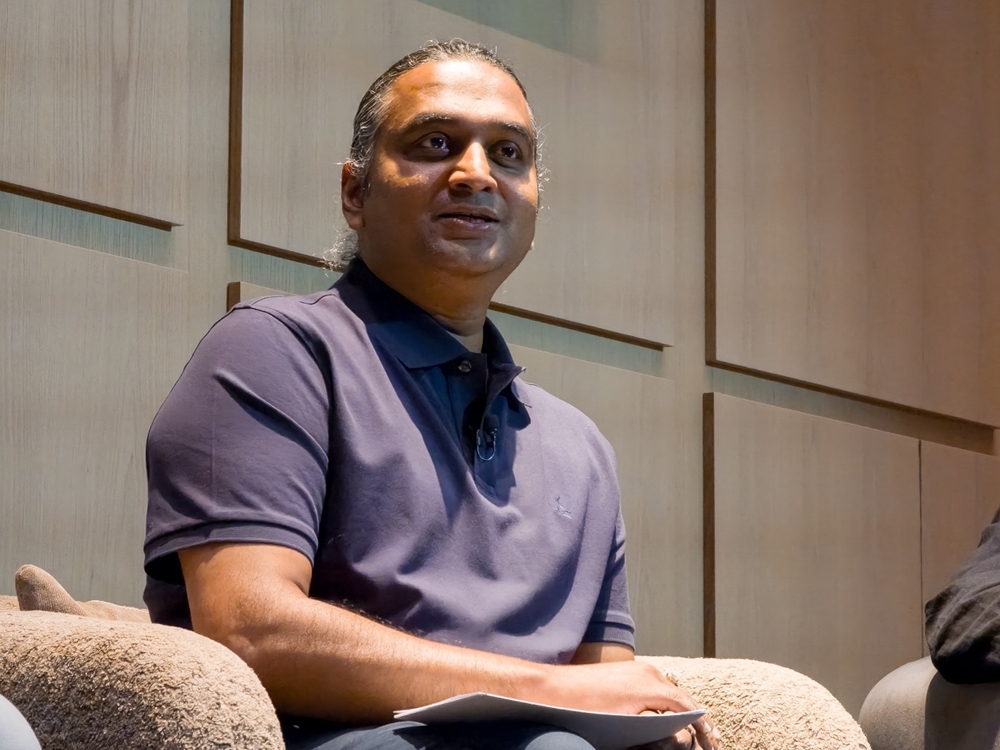 Rohit Ail from Samsung R&D Institute UK
Advanced AI and Research: Reading the Body’s Signals
If every day reach and clinical trust are two of the three pillars, intelligence is what binds them together. Dr. Pak introduced foundation models as a genuine turning point — a shift from population averages to something truly personal.
Otávio Penatti, Head of the Health AI R&D Team at Samsung R&D Institute Brazil (SRBR), explained what a foundation model for health actually means.
“A health foundation model is an AI model that uses self-supervised learning to learn meaningful features from unlabeled biosignal data. At Samsung, we are advancing health foundation model research across multiple global research teams, combining expertise in biosignal intelligence, wearable AI, and personalized health insights. Building on the success of large language models, we can now interpret complex biosignals — such as ECG, 6 ACC and PPG — not as isolated data points, but as a structured biological language. These signals can be measured through wearable devices in everyday situations, and by applying foundation models to understand these biological patterns, we have the potential to provide more accurate predictions and continuous, personalized health insights.”
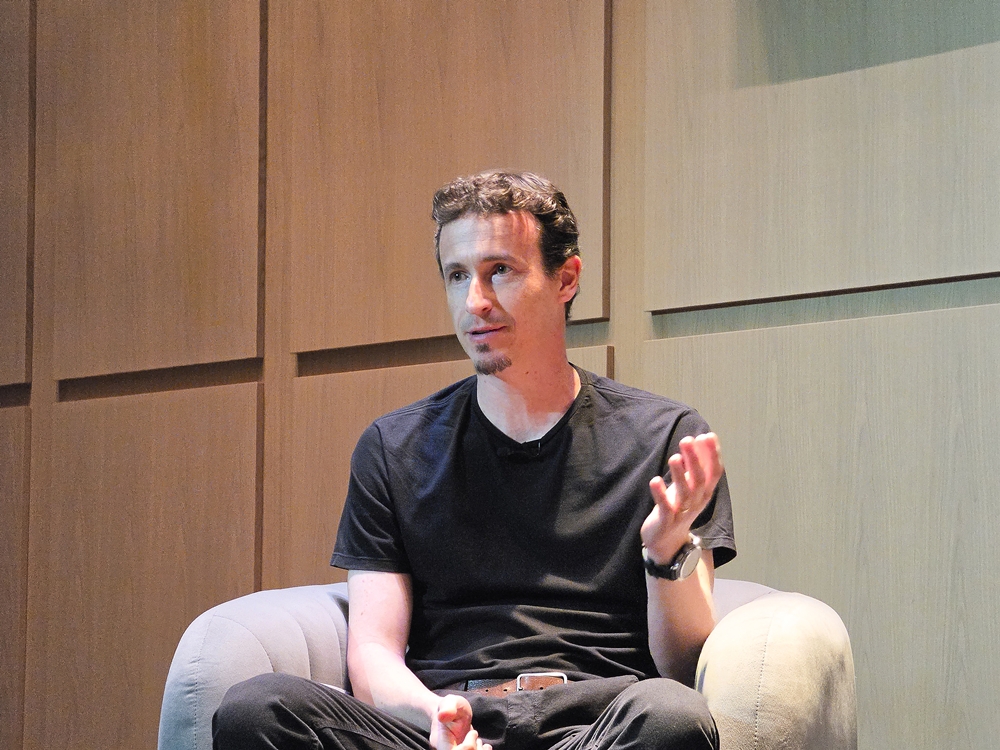 Otávio Penatti from Samsung R&D Institute Brazil
Three Focus Areas, One Goal
To close, Dr. Pak asked each panelist for a one-sentence vision of Connected Care in the era of AI five years from now.
- Kartik Poria (Samsung Food): “In five years, eating well won’t run on willpower — it’ll feel like having a chef and a dietitian in your pocket, turning what your body needs into what’s for dinner, day after day.”
- Kevin Duffy (iFIT): “A coach that knows your body and adapts every workout to who you are that day.”
- Rohit Ail (SRUK): “Care that clinicians trust and patients control — evidence-based and private by design.”
- Otávio Penatti (SRBR): “AI that understands the body’s language and acts before problems begin.”
Dr. Pak closed by tying the threads together. Everyday behavior, clinical trust, and personal AI are three focus areas for the overarching goal: closing the first and last mile to scale prevention while meeting people where they are.
“The future of health is connected, trusted and proactive — and it’s a road we’re glad to be traveling together.”