Ford Motor Company (F +9.22%) has been doing business in Europe for over 100 years, and maybe that’s one reason why the Detroit icon has trouble throwing in the towel on the region. Over the past 25 years Ford has made numerous major restructurings of its European business, only for the struggle to continue.
In the midst of its newest overhaul, we’re now finding out exactly what new models will drive Ford’s next attempt to make Europe a bigger part of its bottom line. Except this time, there’s a growing threat that is likely to make it even more challenging than in the past.
New models, you say?
This latest Euro overhaul comes with a different Ford flavor. The automaker is combining off-road vehicle design and on-road performance, with more rally-like capability designed to match Europe’s unique setting, with winding, narrow roads and alpine passes. By the end of 2029, Ford plans to launch five all-new passenger vehicles to go on the offensive.
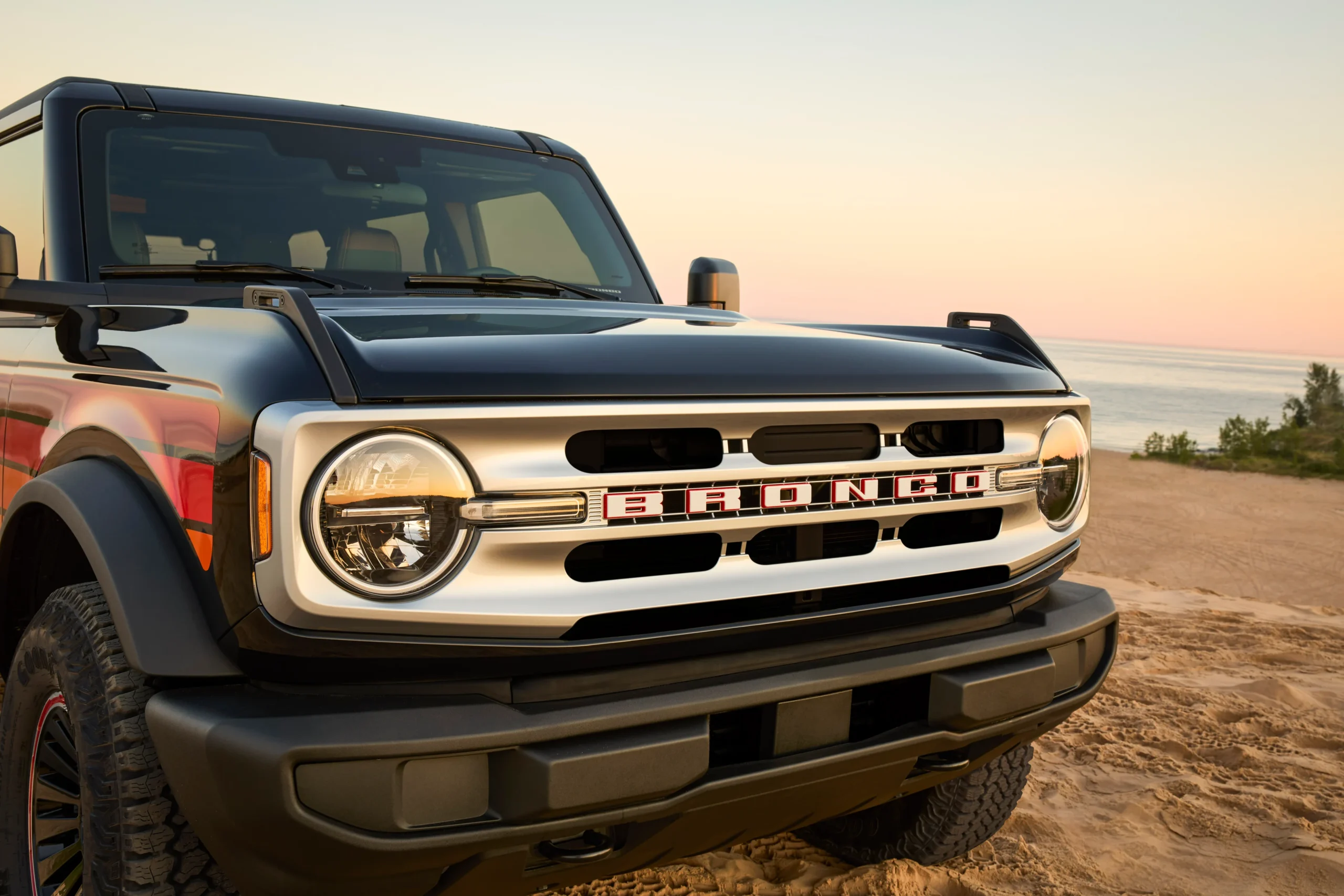
One will be a new member of the global Bronco family, a multi-energy rugged compact SUV that will be produced at Ford’s Spain plant in 2028. Ford will also bring a new small electric hatch, a small electric SUV, and two multi-energy crossovers. All of them will have the type of off-road rally feel that Ford hopes will gain traction.
Image source: Ford Motor Company.
Heard this before?
But is that offensive launch of vehicles enough to reverse years of market share decline and profitability struggles in Europe? That’s a big enough question on its own, but currently there’s another threat sweeping across the European automotive market: Chinese automakers. Chinese companies have focused on exports, in part to avoid a crippling price war in their homeland, and have found a lot of success early on in Europe.
In fact, Chinese automakers doubled their market share in Europe last year, reaching 6% of overall car sales, because of their compelling low-cost offerings and advanced electric vehicle (EV) prowess. The affordability is compelling because, in some cases, the Chinese vehicles cost 10,000 euros, or just under $12,000, less than equivalent European models.
The European Union tried to slow the Chinese onslaught by imposing 35% tariffs on Chinese-made EVs, but it doesn’t include plug-in hybrids or combustion engine vehicles, which is helping Chinese automakers keep their sales momentum in the region going strong.

Today’s Change
(9.22%) $1.26
Current Price
$14.93
Key Data Points
Market Cap
$59B
Day’s Range
$13.77 – $14.95
52wk Range
$9.88 – $14.95
Volume
109.7M
Avg Vol
57.2M
Gross Margin
7.81%
Dividend Yield
4.02%
What it all means
Europe is an important market for Ford, which is why it continues to attempt to turn the business around. Ford’s business in Europe can be divided between passenger vehicles and its commercial vehicles, which include high-margin software subscriptions. The latter does really well in Europe, and the vehicles remain highly profitable.
It’s Ford’s passenger vehicle business that has struggled, and while the launch of multiple vehicles all branded as more rugged will help it differentiate itself, it may not be enough to overcome the low-cost Chinese alternatives.
If this latest attempt to go on the offensive doesn’t bear fruit, it’s not unthinkable that in five to 10 years, Ford’s operations in Europe might be left with its commercial business only. Either way, this may be Ford’s toughest challenge in Europe yet. Critical market share, losses/profits, and maybe its entire Euro passenger car future are all on the line.