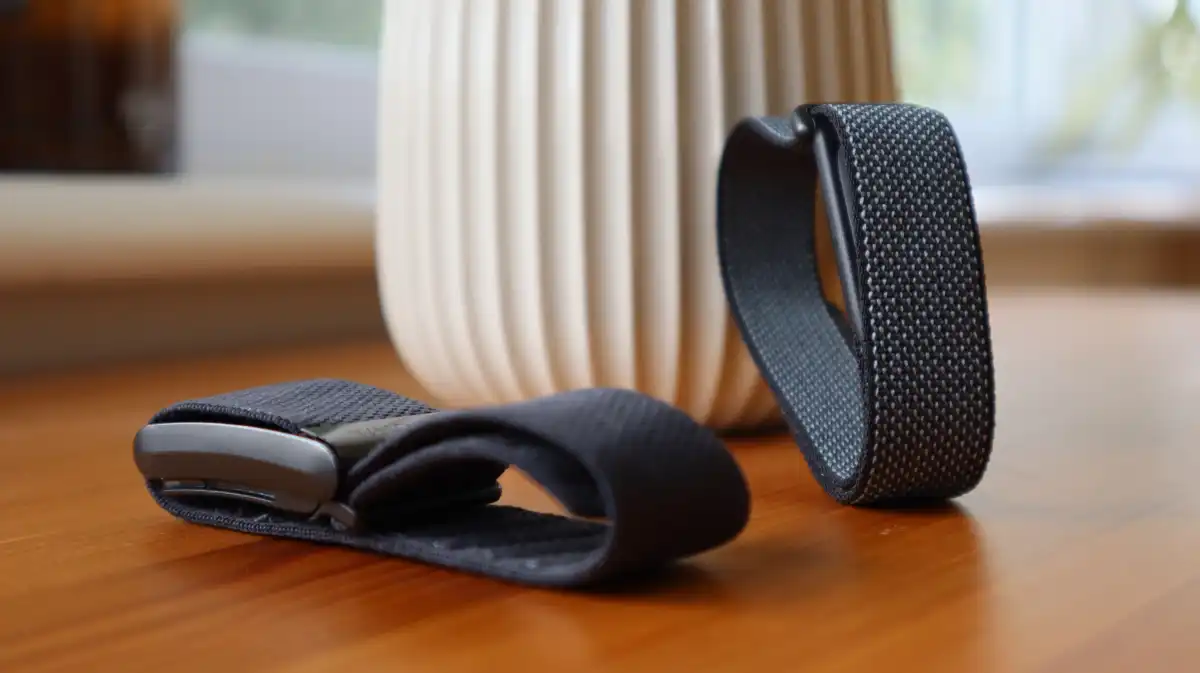
I’ve been testing smartwatches and fitness trackers for almost eight years, and I’ve been a fan of wearables for even longer than that, but I can’t remember the last time something like the Fitbit Air came along to really shake things up.
I’ve been using Google’s new screenless device for about a week now and while you can read my full review very soon, I have quite a few things to say ahead of time that are certainly worth knowing for any consumer who might be tempted to pre-order.
At just £84.99/$99.99, the Fitbit Air is at the right price to turn many heads, particularly against the far more expensive Whoop Strap, but aside from Whoop’s devices, this is a wearable unlike any other, and certainly a big departure from the previous fitness trackers that Fitbit fans are accustomed to.
With that in mind, here are my three key observations of the Fitbit Air following a week of use.
It is more comfortable than the Whoop Strap
There are some folks who might have surmised this already just by looking at the size disparity between the most recent Whoop Straps and the Fitbit Air, but the latter very much lives up to its name by being a lot slimmer and lighter.
With the band factored in, the Fitbit Air sits at 12g on your wrist which, after a while, feels like it’s barely there at all. If it wasn’t for the fact that my daughter has taken to playing with it during nappy changes, I’d almost forget that I was wearing it.
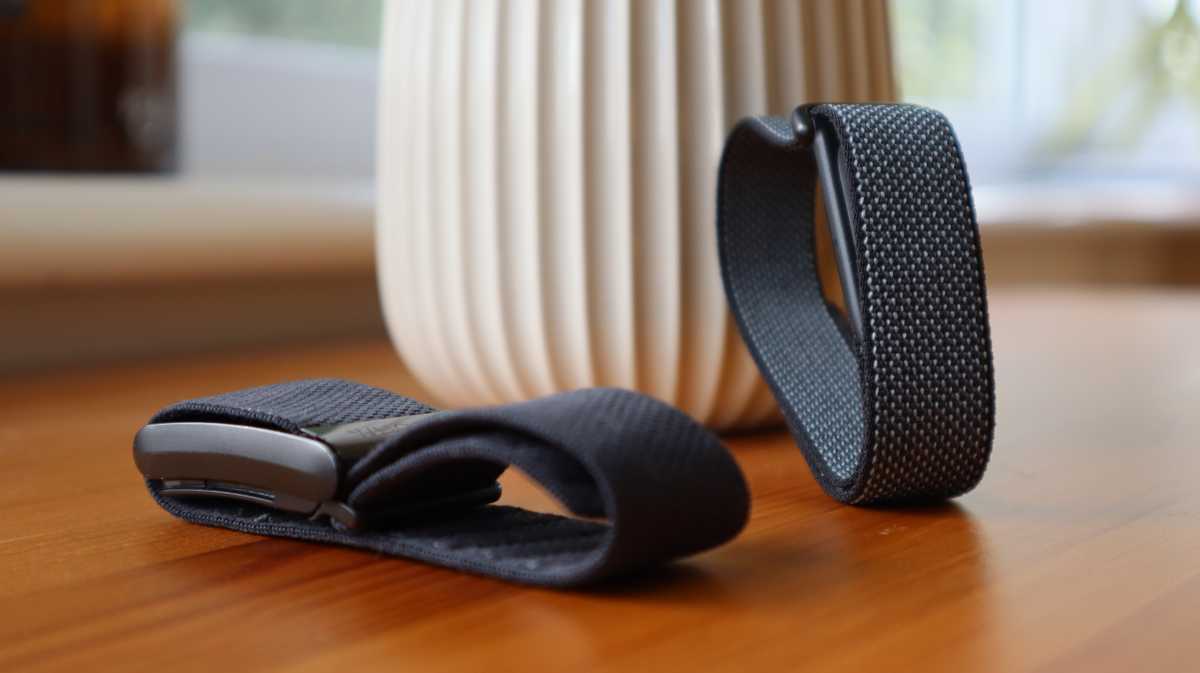
Fitbit Air and the Whoop Strap 4.0
Thomas Deehan / Foundry
For context, I’ve been using the Whoop Strap 4.0 on and off for years prior to this, and although I rarely found it uncomfortable to wear, it still carried a presence. Plus, the velcro band of the Fitbit Air has been much easier to adjust in a pinch as opposed to the standard Whoop band, which requires you to take off the device, feed more or less of the fabric through a gate and then put it back on.
It is not a replacement for your smartwatch
If you are planning on picking up the Fitbit Air at launch, then the one thing I cannot stress enough is that this device shouldn’t be misconstrued as a full-on alternative to your smartwatch, but rather an additional device that sits alongside it, or something that’s better suited to those who cannot stand the idea of wearing a smartwatch in the first place.
It’s obvious that interactions with the device are limited due to the fact that there’s no screen, but there isn’t GPS tracking here either, so you’d have to bring your phone or a smartwatch with you if you want to have more detailed information on the route at hand. There’s no NFC either, so that post-run coffee is a bust unless you bring along your physical wallet.
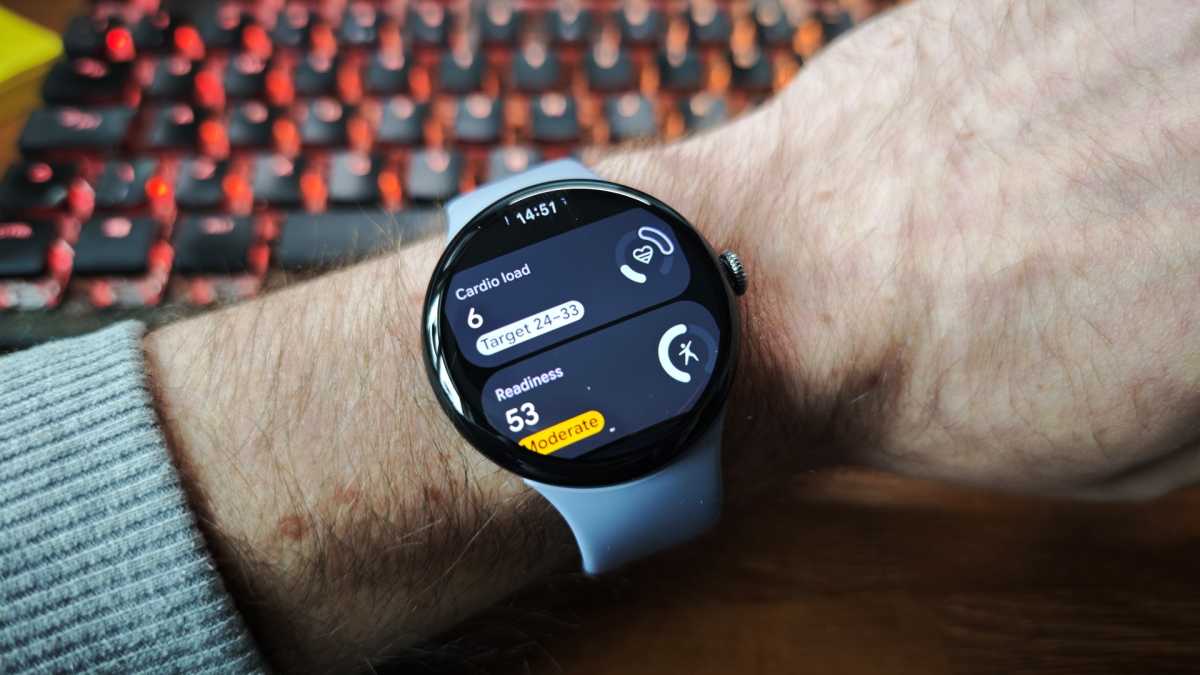
Of course, the benefit to this is that the Fitbit Air, by its very nature, is unobtrusive and doesn’t give you cause for distraction in the way that smartwatches typically do, and if you’re a Pixel Watch user, there are various benefits to owning both.
Chris Martin / Foundry
Because the latest Pixel Watches and the Fitbit Air both connect to the new Google Health app, you can draw data from both devices simultaneously for a more accurate picture of your activity.
It also means you can chop and change between the two as you please, with Google Health happy to use the data coming from either device without discrimination. You might wear the Pixel Watch 4 in the daytime and the more comfortable Fitbit Air at night, or whatever combination suits your daily routine.
It’s a great bit of ecosystem trickery that feels like something Apple might have done if it had a device of this ilk to lean on. Only Samsung has something similar with the Galaxy Ring paired with certain Galaxy Watch models for combined tracking and improved battery life.
Arguing with Gemini is a game-changer
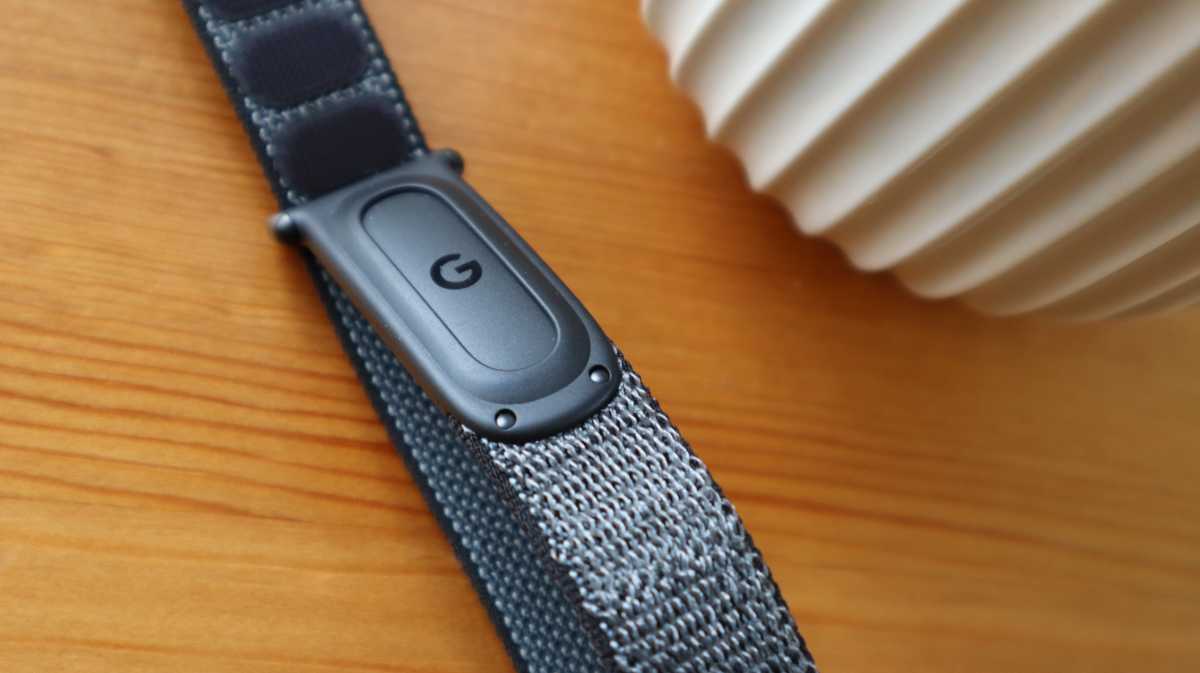
One of the biggest problems I’ve had with fitness trackers at large is that it’s always a one-way street in terms of lecturing you on what to do, and when you’re a new dad who also works most days of the week, the last thing I want to hear from my Garmin Venu X1 is that I’m “detraining”. By comparison, because Google Health Coach is centred around the Gemini AI platform, this barrage of unwanted notifications has become a thing of the past.
Thomas Deehan / Foundry
Instead, I’ve been able to explain to Gemini exactly what’s been going on and when I’m most likely to get back into the gym (even if it’s several days away), and the software has simply adjusted what it expects of me.
This non-judgmental tone and more conversational style of use has been a big help at a time when just trying to get enough sleep to not pass out at my desk is a big priority. It feels like a natural extension of Fitbit’s previous approach to fitness tracking, which would put greater emphasis on your exertion over the course of a week, rather than a single day.
There’s still a lot that I need to test out with the Fitbit Air, but from what I’ve seen so far, I definitely think that this is going to be one of the most talked-about fitness trackers for some time to come.
Save 29% on this Fitbit Air bundle