Published on
July 9, 2026

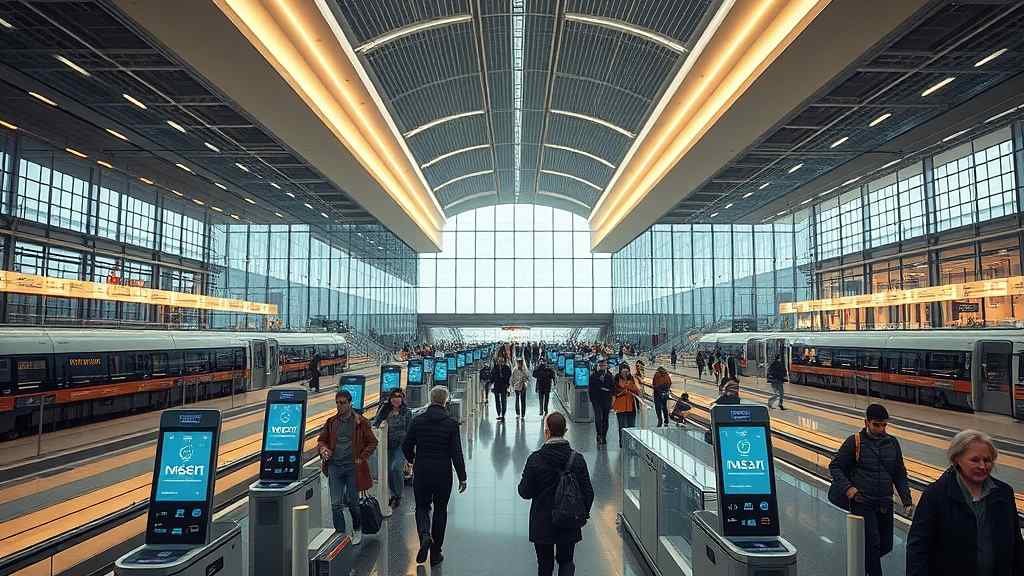
Image generated with Ai
The European Union is preparing to postpone the launch of its European Travel Information and Authorisation System (ETIAS) until at least 2027 as authorities continue addressing operational challenges linked to the bloc’s new biometric border system. The delay reflects growing concerns among airports, airlines and border agencies that introducing another digital travel requirement before the Entry/Exit System (EES) becomes fully stable could increase congestion and disrupt passenger journeys.
ETIAS was originally planned for introduction in the final quarter of 2026 and will require travellers from visa-exempt countries, including the United Kingdom, United States, Canada and several Asia-Pacific nations, to complete an online authorisation process before visiting the Schengen Area. The system aims to strengthen security screening while improving border management across Europe.
However, recent difficulties following the implementation of EES have forced European authorities to reconsider the timeline. Major airports have experienced longer processing times as biometric checks have been introduced for non-European travellers. Industry leaders believe stabilising the existing system must remain the priority before adding another mandatory travel procedure.
The European Commission is expected to review the timeline after further testing and operational assessments, with a revised launch schedule likely to be announced later.
EU Delays ETIAS Launch As Border Authorities Focus On Fixing EES Problems
The European Union’s decision to delay ETIAS is closely connected to challenges surrounding the Entry/Exit System, a major digital border initiative designed to replace traditional passport stamping with automated biometric registration. The EES records information such as fingerprints, facial images and travel details of non-European visitors entering and leaving the Schengen Area.
According to information from the European Commission, the system is part of a wider effort to modernise border controls, improve security and create a more efficient travel environment across Europe. However, the introduction of new technology has created operational pressure at several important airports.
Advertisement
Advertisement
Major European transport hubs, including Frankfurt, Munich and Berlin, have experienced longer queues as border officials manage increased processing requirements. Travellers have reported extended waiting periods, particularly during busy travel seasons when passenger volumes rise significantly.
Authorities now believe launching ETIAS while EES continues to face operational adjustments could create additional pressure. The EU wants to ensure that border infrastructure, technology systems and airport procedures are functioning effectively before introducing another requirement for millions of international visitors.
Advertisement
Advertisement
The postponement is therefore viewed as a practical step to prevent further disruption rather than a cancellation of the planned travel authorisation system.
Airlines And Airports Warn ETIAS Could Increase Passenger Disruptions Without Preparation
Airlines and airport operators have strongly supported the decision to delay ETIAS, arguing that introducing multiple new border procedures simultaneously could create serious operational difficulties. Aviation industry groups have warned that airports need sufficient time to adapt before another digital travel requirement becomes mandatory.
Organisations such as Airlines for Europe and airport associations have highlighted concerns about passenger flow management, especially at major European hubs where connecting flights depend on efficient border processing.
Airlines operate complex schedules where even small delays can affect thousands of passengers. Longer immigration queues could result in missed connections, delayed departures and increased pressure on airport facilities.
Advertisement
Advertisement
Some airlines have already adjusted their operations at airports facing significant congestion by limiting extremely short connection times. This approach aims to reduce passenger inconvenience and prevent travellers from missing onward flights because of extended border procedures.
The aviation sector has repeatedly emphasised that digital transformation can improve travel experiences in the long term, but implementation must be carefully managed. Airlines believe a stable EES system should come before ETIAS activation to avoid creating overlapping challenges.
The delay provides European airports and carriers additional time to improve passenger communication, staff training and technical preparation before ETIAS becomes compulsory.
What ETIAS Means For Travellers From The UK, US, Canada And Asia-Pacific Countries
Once introduced, ETIAS will change the travel process for millions of visitors who currently enter the Schengen Area without a visa. Travellers from countries including the United Kingdom, United States, Canada, Australia, New Zealand, Japan, South Korea and other visa-exempt nations will need to obtain online travel approval before departure.
The system is designed as a security screening mechanism rather than a traditional visa. Eligible travellers will complete an online application, provide personal information and pay the required fee before travelling.
The authorisation will allow European authorities to conduct advance security checks and identify potential risks before visitors arrive at European borders. The EU believes this approach will improve safety while maintaining visa-free travel arrangements.
Advertisement
Advertisement
The ETIAS application process is expected to be completed digitally through the official platform managed by European authorities. Travellers will need to ensure their details match their passport information to avoid complications during travel.
For international tourists, the delay means existing entry rules will remain unchanged until the new system becomes operational. Visitors who currently do not require a Schengen visa can continue travelling under existing conditions until ETIAS officially begins.
The additional preparation period may also help travellers better understand the new requirements before they become mandatory.
European Union Plans Transition Period After ETIAS Launch To Support Travellers
Even after ETIAS officially begins, the European Union plans to introduce a transition period to help travellers adapt to the new system. During this phase, eligible visitors will still be permitted to enter the Schengen Area without ETIAS authorisation if they meet all other entry conditions.
The transitional arrangement is expected to last for at least six months, providing travellers with additional time to complete applications and understand the updated procedures.
European authorities recognise that millions of passengers will need to adjust to the new requirement. A gradual introduction could reduce confusion at airports and prevent unnecessary travel disruptions.
Advertisement
Advertisement
The transition period will also allow border authorities, airlines and tourism businesses to monitor the system’s performance. Any technical problems or passenger difficulties can be addressed before ETIAS becomes fully enforced.
For the tourism industry, this approach is considered important because Europe remains one of the world’s most visited regions. Destinations across countries such as France, Italy, Spain, Germany and Greece rely heavily on international visitors.
A smooth implementation will be essential to protect traveller confidence and maintain Europe’s position as a leading global tourism destination.
ETIAS Delay Highlights Europe’s Challenge Of Balancing Security And Travel Growth
The postponement of ETIAS highlights the wider challenge facing Europe as it attempts to modernise border security while supporting international tourism growth. Governments across the continent are investing in digital systems to improve safety, but technology upgrades require careful planning.
Europe welcomed millions of international visitors before the introduction of EES, and tourism authorities want to avoid measures that could negatively affect visitor experiences. Efficient border procedures are essential for maintaining competitiveness as destinations worldwide compete for global travellers.
The delay also demonstrates the complexity of introducing large-scale digital travel systems. Similar initiatives around the world have required extensive testing, infrastructure improvements and cooperation between governments, airlines and airports.
Advertisement
Advertisement
The EU’s decision provides additional time to improve the reliability of EES before expanding the digital border framework with ETIAS. Officials believe that a successful implementation will eventually create faster and more secure border experiences.
For travellers, the postponement offers more time to prepare for future requirements. For European authorities, it provides an opportunity to address current challenges and ensure that the next stage of digital travel management operates effectively.
Conclusion
The European Union’s expected ETIAS delay until 2027 reflects the importance of solving existing Entry/Exit System challenges before introducing another major travel requirement. While ETIAS remains a key part of Europe’s future border management strategy, authorities want to ensure that airports and border systems can handle the additional process smoothly.
The postponement will allow European agencies, airlines and airports to strengthen operations, improve technology and prepare travellers for the upcoming changes. Until ETIAS officially launches, visa-exempt visitors from countries such as the UK, US, Canada and Asia-Pacific nations can continue travelling under current Schengen entry rules.
When introduced, ETIAS is expected to improve security screening while maintaining visa-free access for eligible travellers. However, its success will depend on careful implementation, clear communication and effective coordination across Europe’s travel ecosystem.
As international tourism continues recovering and passenger numbers grow, Europe’s ability to balance security, technology and convenience will remain crucial for shaping the future of global travel.
Advertisement
Advertisement